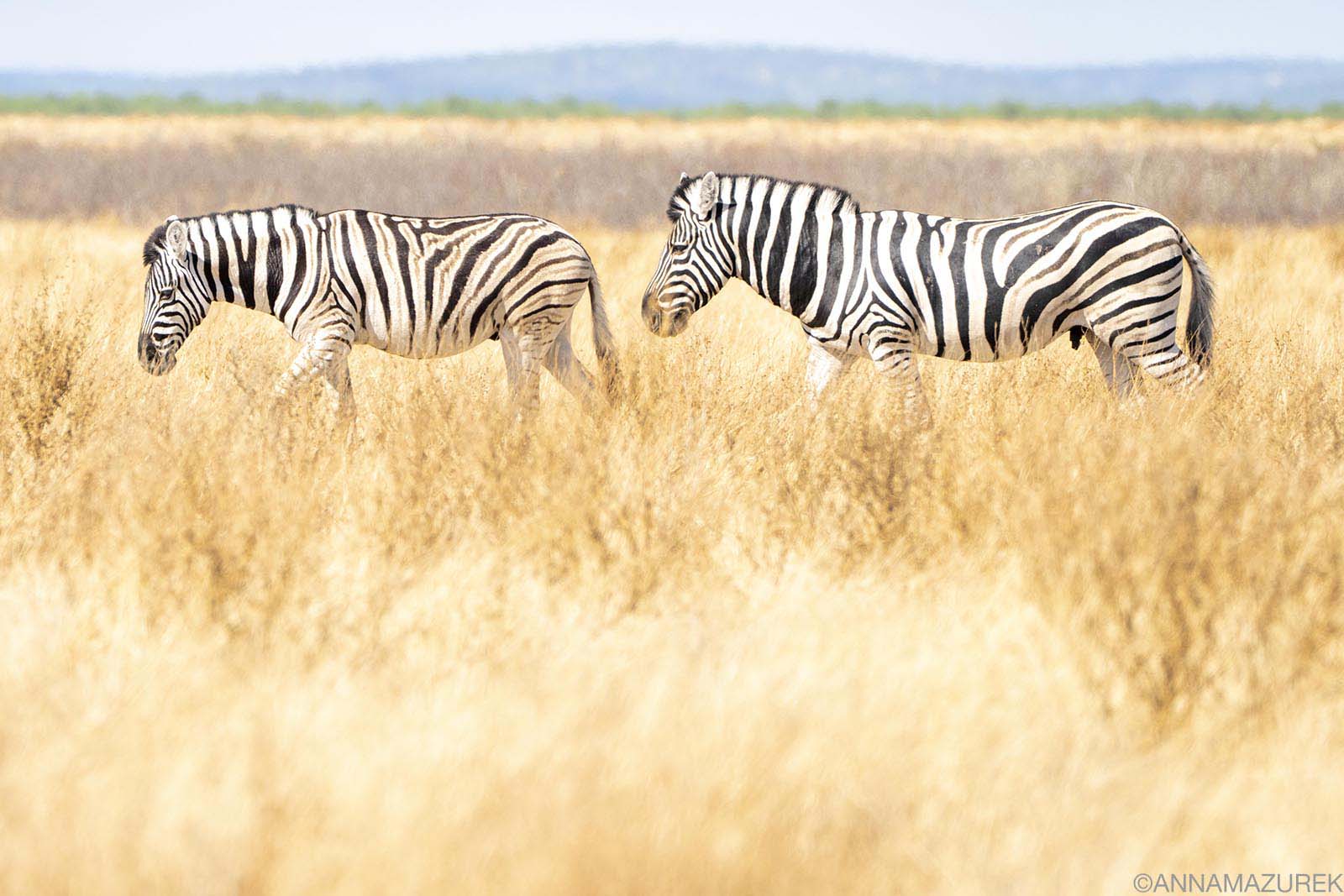
 Zebras at Etosha National Park in Namibia.
I have a habit of kicking off the New Year in the same place every year, Chiang Mai, Thailand, one of my many homes. In the last 12 months, I’ve been to 14 countries—a light travel year for me but full of epic adventures, including a two-month trip in Southern Africa.
Reflecting on the year is always an exercise in gratitude for the beauty and diversity of the world and my experiences. People often say I’m “lucky” because I get to travel for a living, which I previously was offended by (and wrote about in an old post) because it devalued all the hard work and sacrifices I made to build this life. (If you’ve read my book, you know 2010 Anna was working three retail/service industry jobs and barely making $20-30K/year.)
A friend had a slight turn of the phrase that I loved: I am lucky—lucky I found the courage to put in the hard work, quit jobs that didn’t align with my career goals, make the decisions and sacrifices (like the time I rented my friend’s living room for $230/month to save money for my first South America trip) it took to build this life. Bravery is often mistaken for luck.
Every year I share a recap of my favorite adventures and photographs of the year. I am lucky that I was brave enough to make these trips happen. (A few of these are my favorite editorial stories of the year.) From Portugal to Africa, here are my best travel photographs from 2025!
P.S. I made a second post with my favorite safari photos where I share photo tips and my exposure settings!
Khao Yai National Park, Thailand
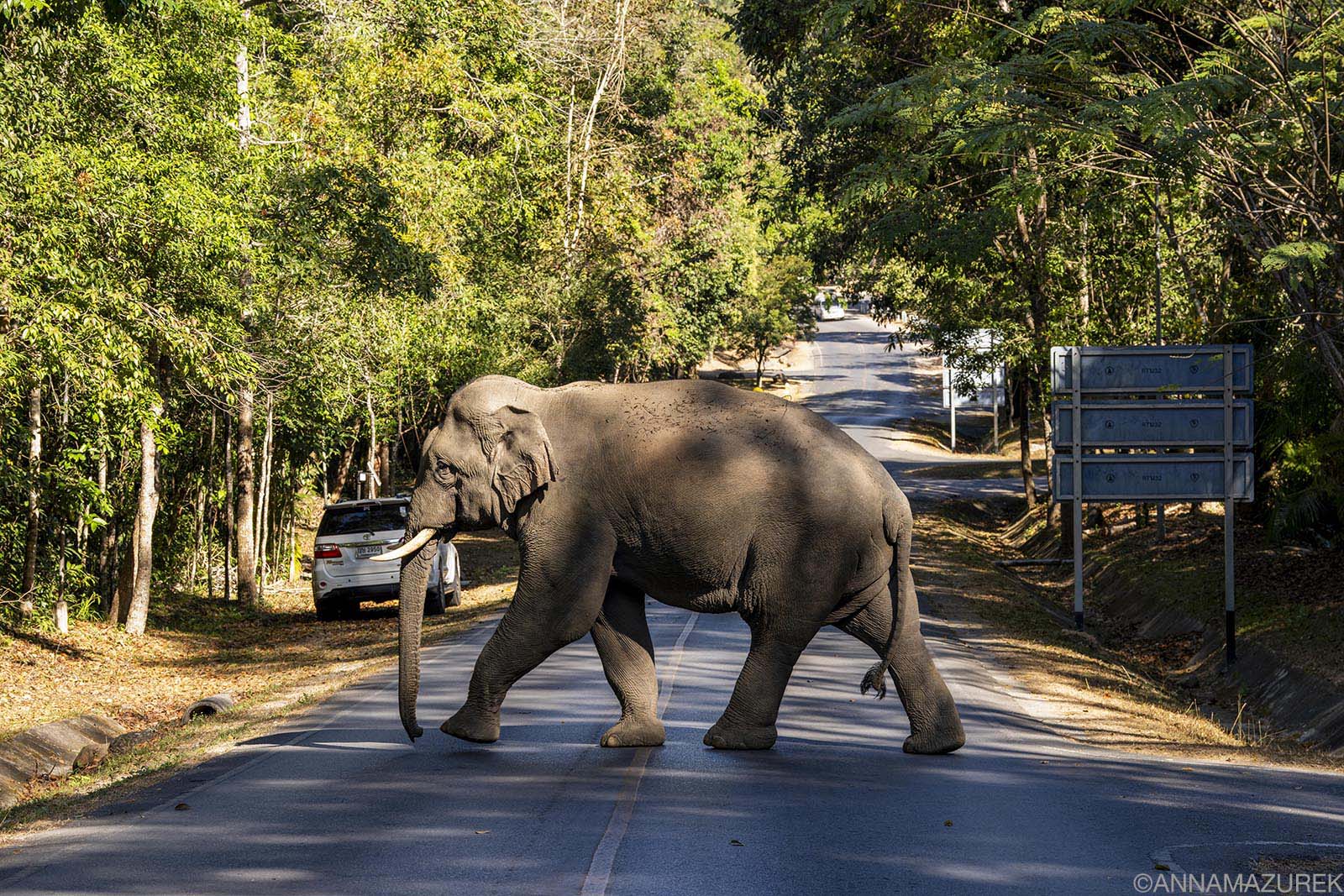 Park rangers stop traffic to allow a wild elephant to cross the road in Khao Yai National Park.
There’s nothing I enjoy more than going back to places I love and exploring deeper. This year’s biggest revelation was Khao Yai National Park, Thailand’s first national park that is only three hours from Bangkok. The UNESCO site spans 2,206 square kilometers and is famous for its biodiversity with over 280 bird species! (Birders travel from all over the world to visit.)
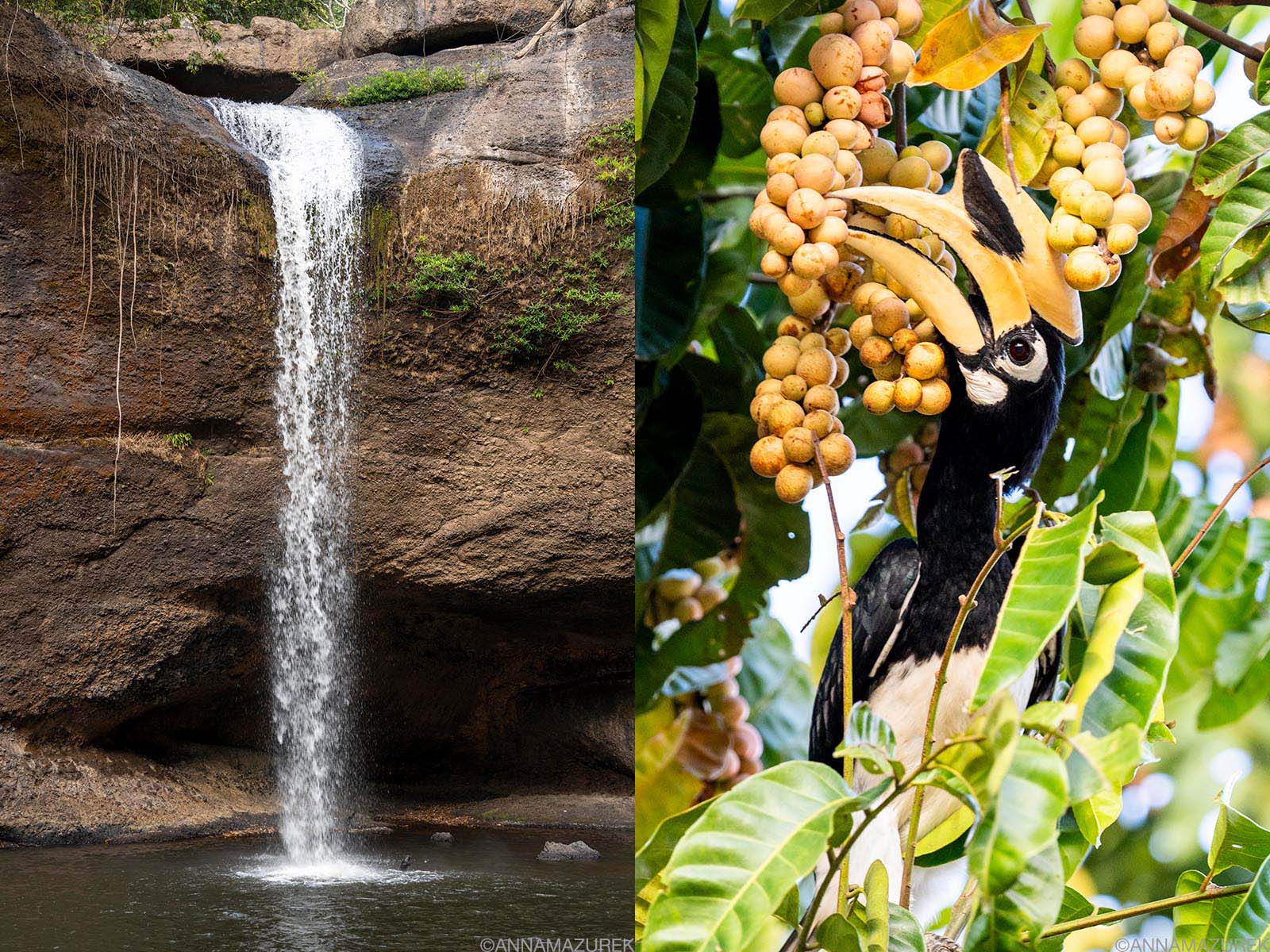 A waterfall and a hornbill at Khao Yai National Park.
I had low expectations going into the trip because I had to book a tour (and I hate day tours), but the park blew my mind! (To visit, you need your own wheels or to book a tour.) Our wildlife sightings included wild elephants, hornbills, gibbons, vipers, and porcupines.
Chiang Mai, Thailand
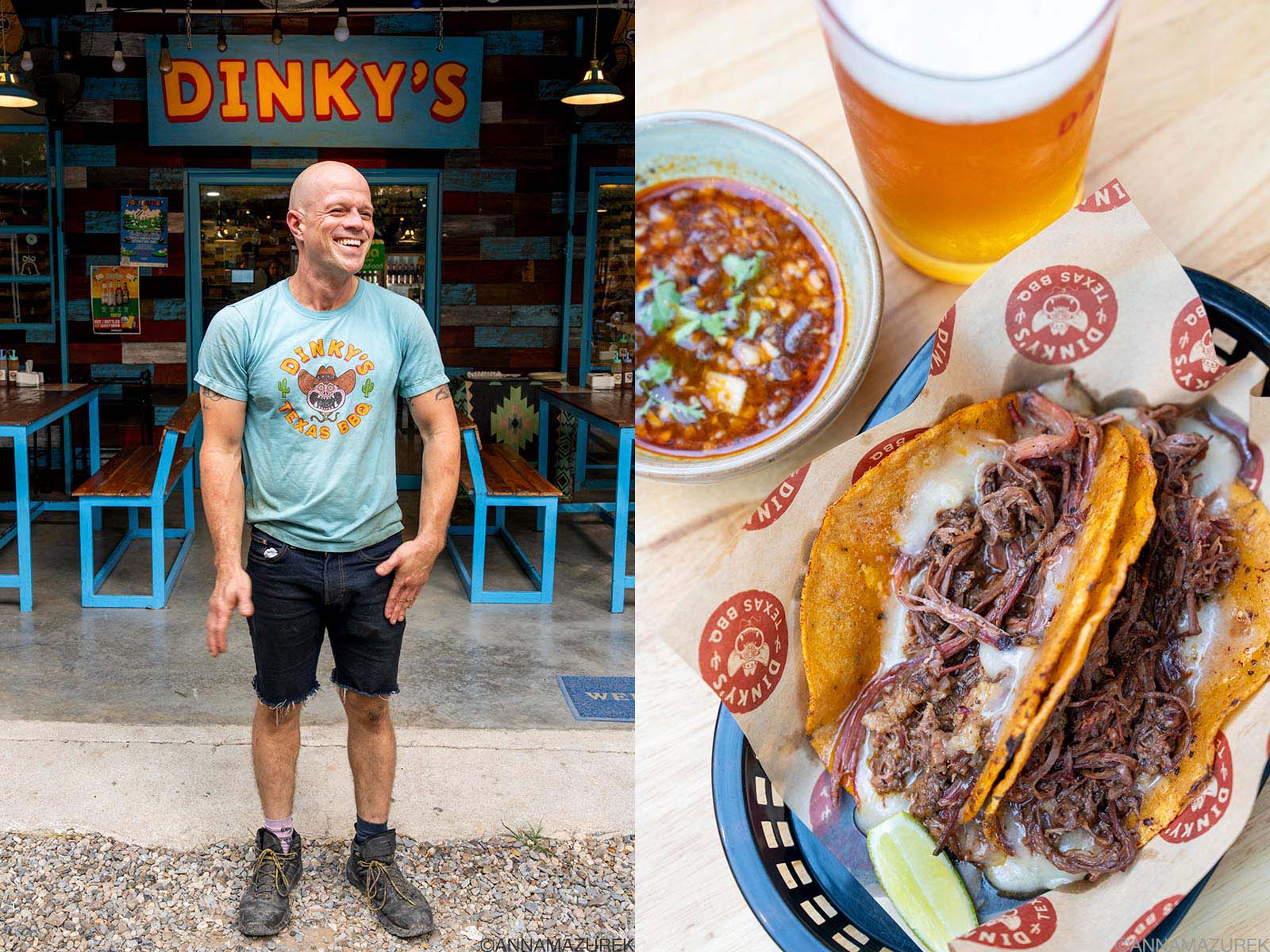 Davis Campbell, left, and his fiancée, Rotjana, run a Texas-style barbecue joint in Northern Thailand where they serve up the brisket and tacos (right).
For Texas Monthly, I wrote and photographed a story about how one Austinite is bringing Central Texas barbecue to Thailand. Davis Campbell turned a bit of homesickness and a pandemic hobby into a business in Chiang Mai, Thailand, Austin’s sister city. (He credits his fiancée, Rotjana, as being the brains behind the whole operation.) Cooking up Texas barbecue is no easy feat—Davis had to train the butcher how to cut ribs, while Rotjana worked with the wood suppliers to ensure it was properly dried and seasoned.
What I loved most about this story was that it combined my two homes, Austin and Chiang Mai. I’ve been living on a bridge between Thailand and the U.S. for over a decade, unable to pick a side. As a compromise, I spilt my time between both. My editor asked me about my connection to Thailand and my response was: “If countries could be soulmates, Thailand would be mine.”
Hanoi, Vietnam
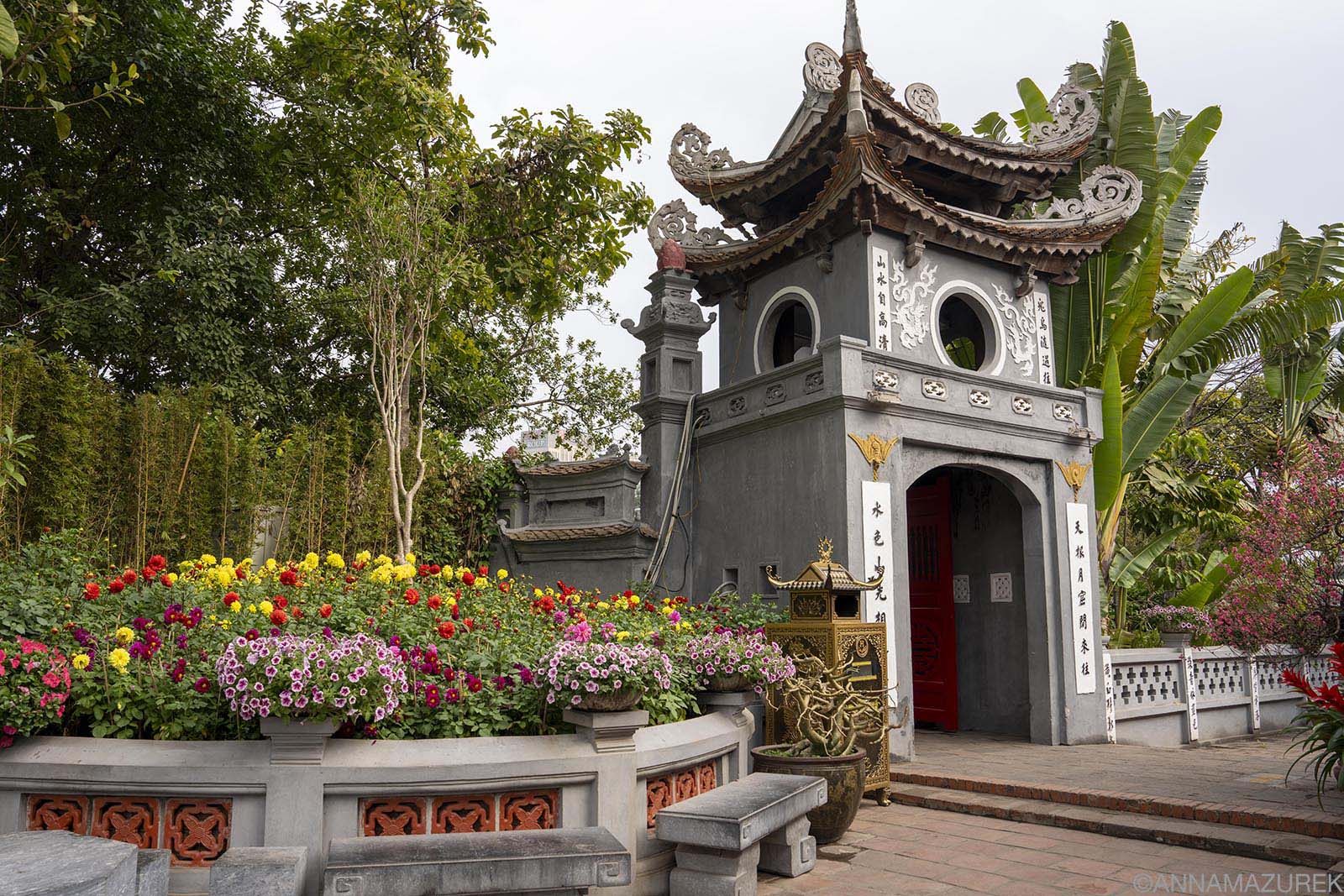 After a lot of patience, I got a shot of Ngoc Son Temple without the crowds during TET.
I took a long overdue trip to Hanoi in January for the TET holiday. The entire city was covered in beautiful, fresh flowers and decorations. Locals and tourists were posing for photos across the town, especially along the Hoan Kim Lake. I wandered over the beautiful red bridge to Ngoc Son Temple that was decked out in flowers.
Douro Valley, Portugal
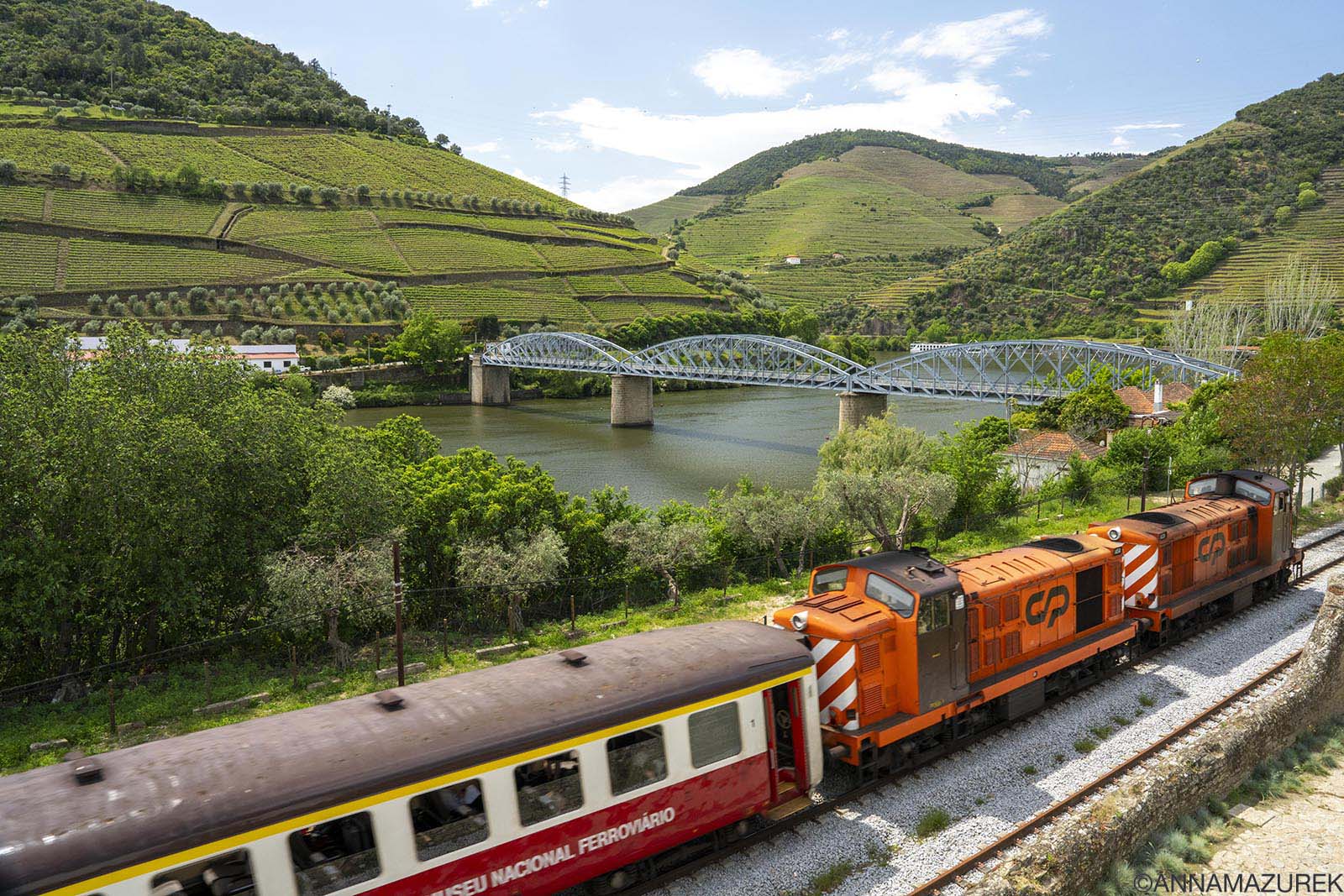 The Douro Line passenger train passing by the bridge in Pinhão.
I rented a car in Porto and spent a week driving through the vineyard-clad hillsides of the Douro Valley, Portugal’s famed wine region. I had lunch at Bomfim 1896, a Michelin Guide listed restaurant at Quinta do Bomfim, with a balcony overlooking the train tracks and bridge over the Douro River. I planned my lunch reservation with the train schedule in mind, so I’d be able to snap this shot. I visited in May, so it wasn’t too crowded. After I returned my rental car, I took this exact same train along the Douro River to the final station, a stunning journey that I highly recommend.
Anson, Texas
 John Milsap Compere, the historian for the Cowboys Christmas Ball Association, photographed inside historic Pioneer Hall in Anson, Texas.
For the December issue of TCP magazine, I wrote about the 90th reenactment of the Texas Cowboys’ Christmas Ball, a three-night, old-fashioned frontier dance at historic Pioneer Hall, keeping 1880s cowboy music, traditions, and community spirit alive. In June, I drove out to Anson to photograph John Milsap Compere, an 84-year-old retired Army brigadier general and judge who is the historian for the Texas Cowboys’ Christmas Ball Association. Compere’s great-grandfather attended the original ball in 1885, making him the fifth generation to attend. I photographed Compere in Pioneer Hall, which was built in 1941 for the event. This was one of my favorite stories of the year.
Delos, Greece
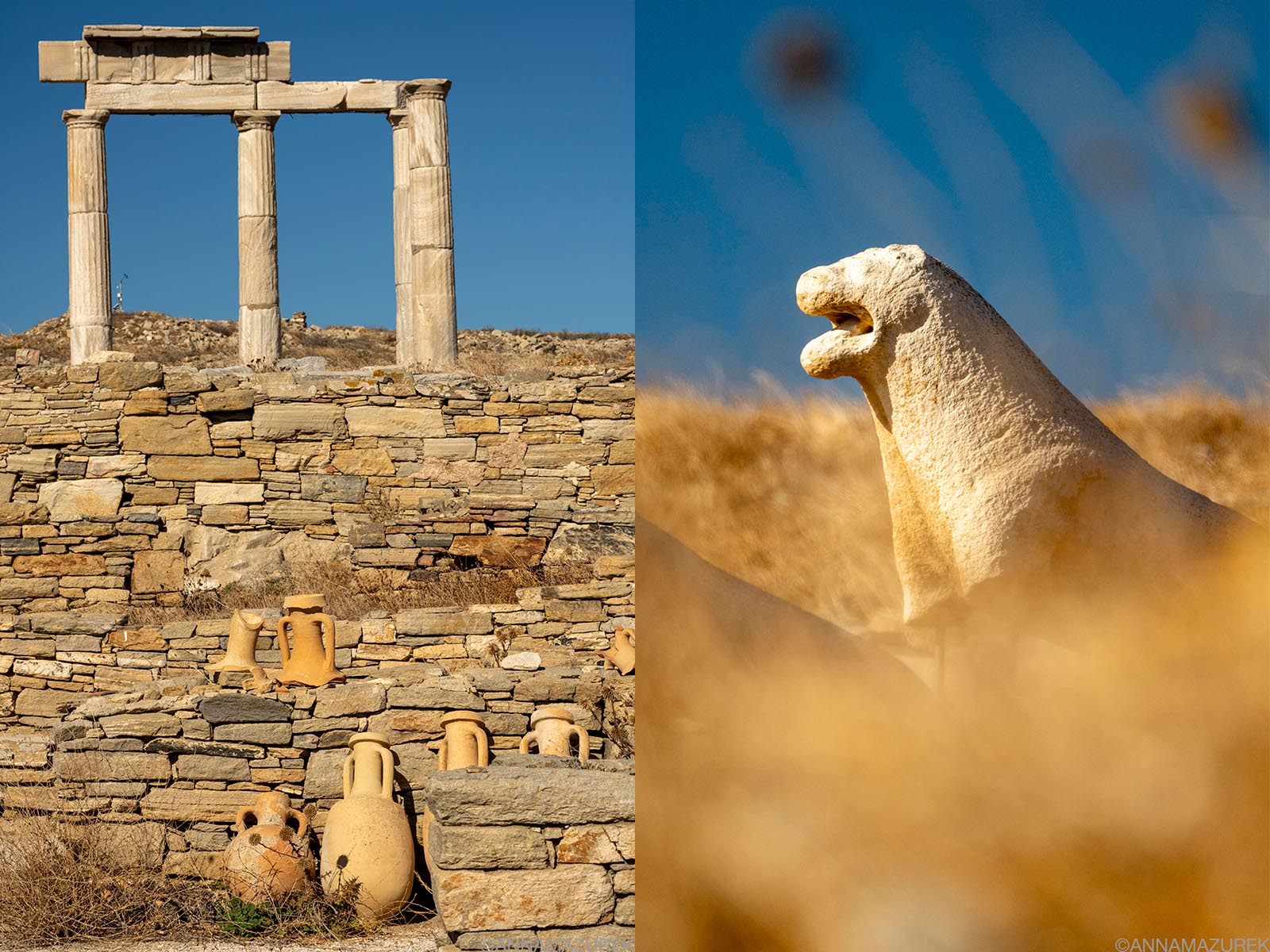 Ruins of the archeological site at Delos, including the Terrace of the Lions (left).
Delos is my favorite island in the Cyclades because it’s an uninhabited island covered with ruins and cats. The UNESCO site was a wealthy trading port and the mythological birthplace of Apollo and Artemis. I’ve visited Delos for work several times over the years, but on this visit, I only took my 100-400mm lens to challenge myself to get creative. I loved this shot of the Terrace of the Lions with the blurred foreground and layers of the nearby columns and vases.
Amorgos, Greece
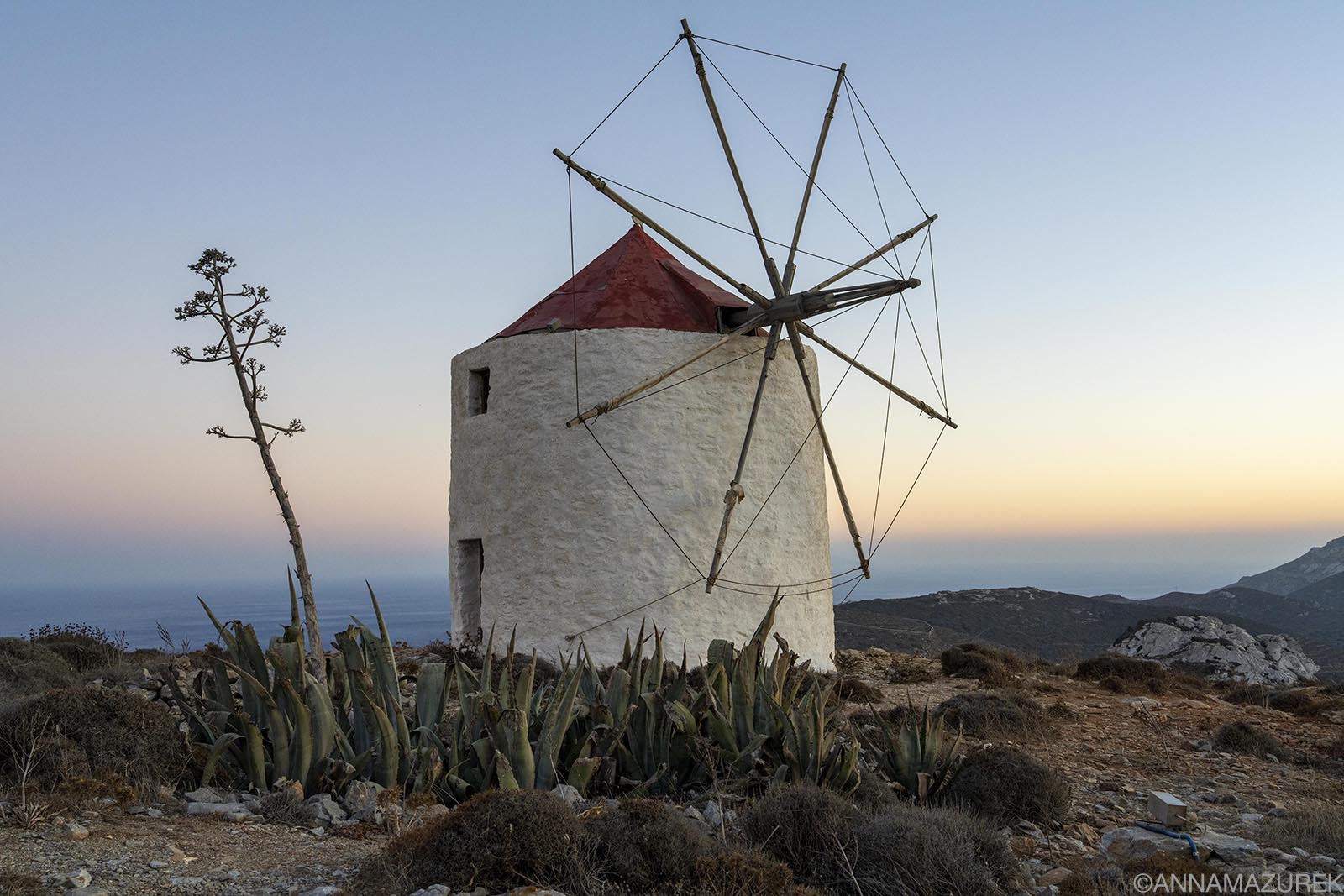 A windmill overlooking Chora, the capital of the island of Amorgos.
There’s no other way to explain my fascination with the remote island of Amorgos than love at first sight—white-washed villages, secluded beaches and ancient ruins. I first visited for work in 2022 and always wanted to spend a few weeks exploring the 20-mile-long island deeper. The trouble (and magic) of Amorgos is that it’s hard to get to—it’s a seven-hour ferry from Athens with inconvenient departure times that involve a forced night in Athens on both ends. When my six-week work trip sailing through the Mediterranean finished in Athens, I booked a postcard-perfect Airbnb with a bougainvillea-lined terrace. It was late September, the end of peak season, so I had the winding roads mostly to myself.
Acrocorinth, Greece
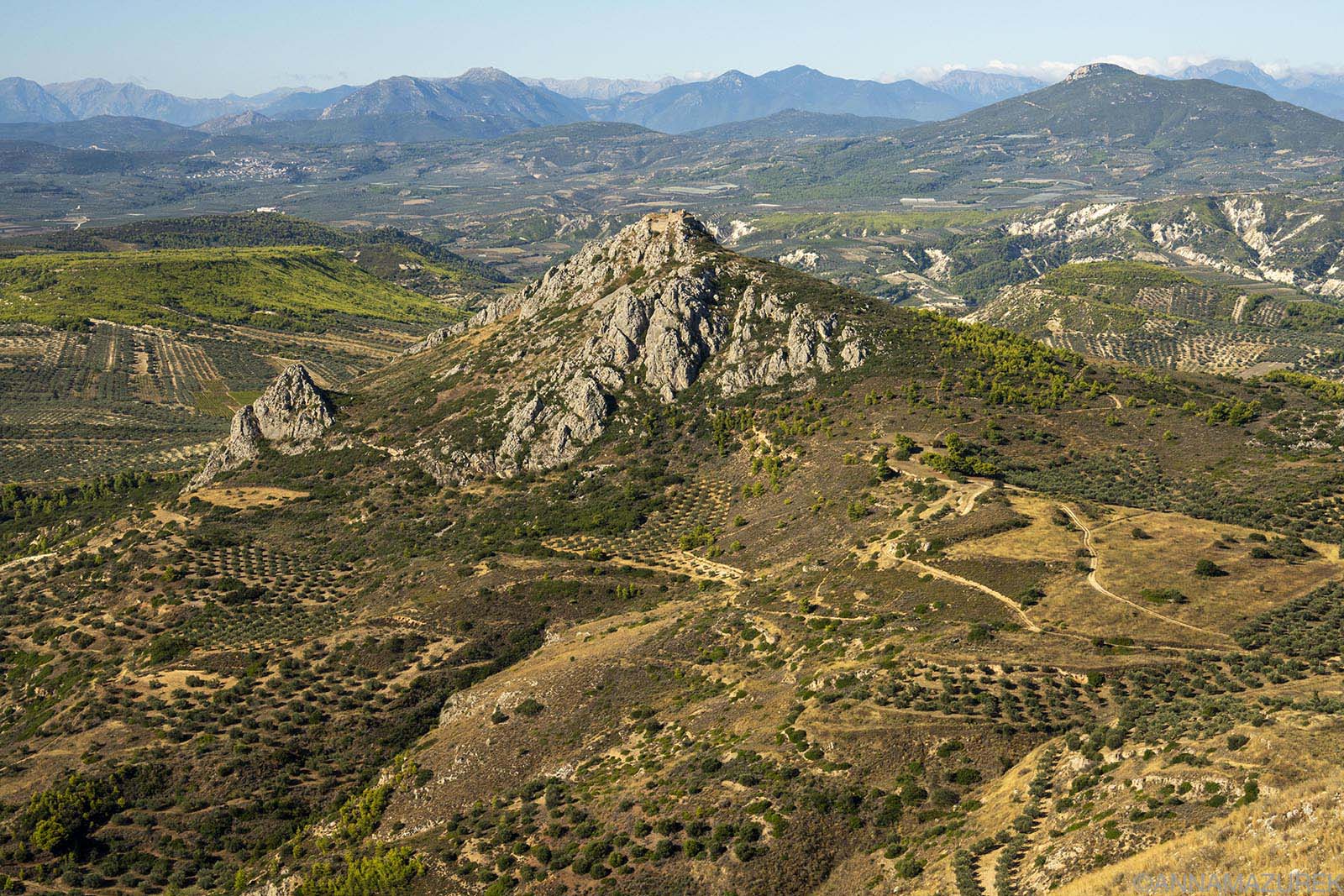 The view from Acrocorinth located on Greece’s Peloponnese peninsula.
After I left Amorgos, I headed west on the Peloponnese peninsula to Corinth to visit the archeological site in the town and the more impressive hilltop fortress of Acroconrith. I drove up to the entrance shortly after it opened and spent hours hiking around the site. The views from the top were jaw-droppingly beautiful. (While the town’s archeological site itself is nice, it’s worth the trip from Athens just for the view alone from Acrocorinth.) When the crowds arrived, I made my way down the hill.
Kruger National Park, South Africa
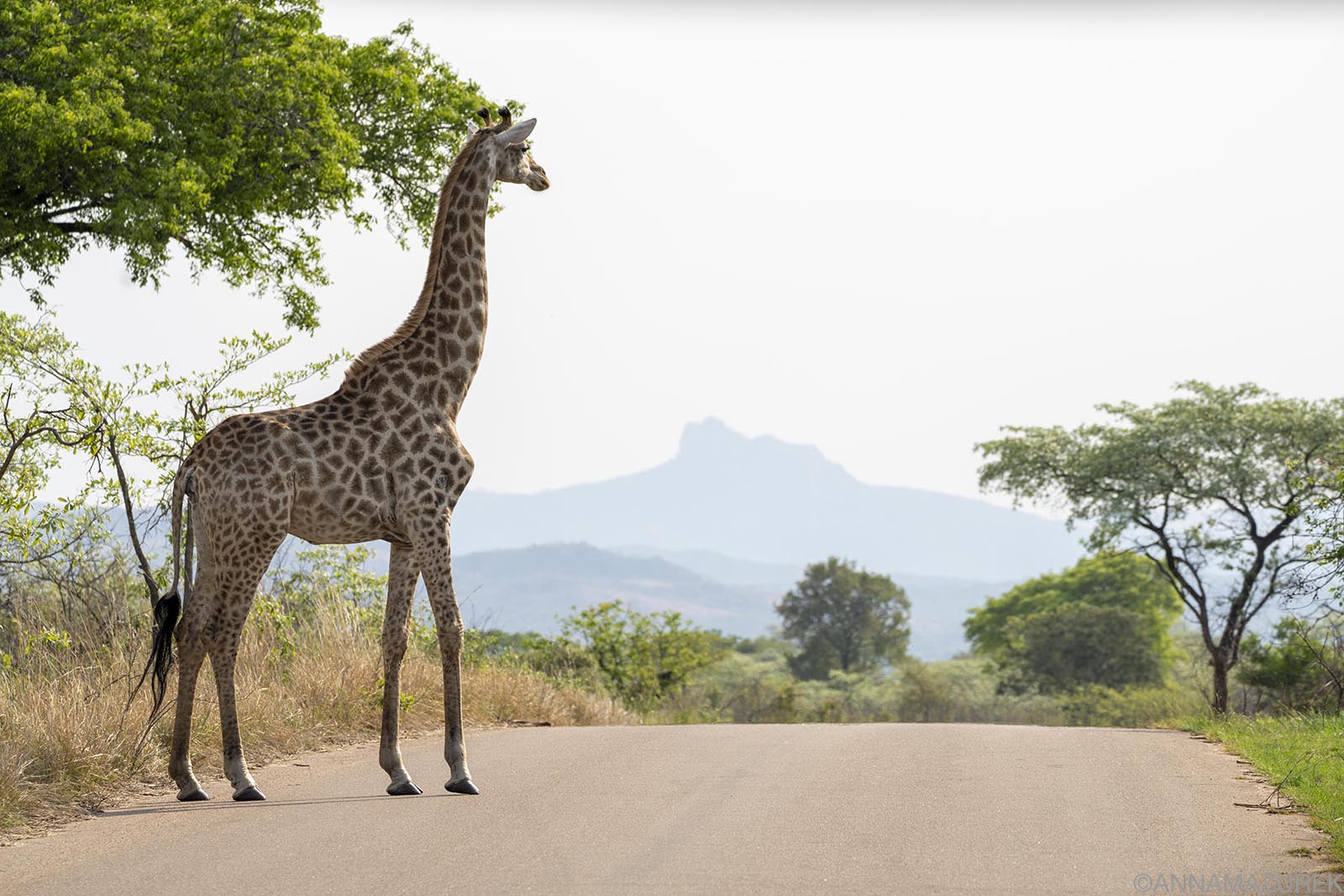 A giraffe crossing the road in the southern part of Kruger National Park.
You never forget your first safari, and this was mine. I was living my childhood dreams from watching “The Lion King.” This two-month Africa trip was moved back from 2020 and took over a year of planning/saving. It was worth every hour of planning and every penny spent. (I’ll post a full breakdown of the costs next month!) We saw the Big Five on our second day in the park. I really loved this shot of the giraffe crossing the road looking out to the mountains. For context, you can’t go off-road in Kruger—you must stick to the paved and unpaved roads. (I made a separate post about my favorite safari photos from the trip.)
Kolmanskop, Namibia
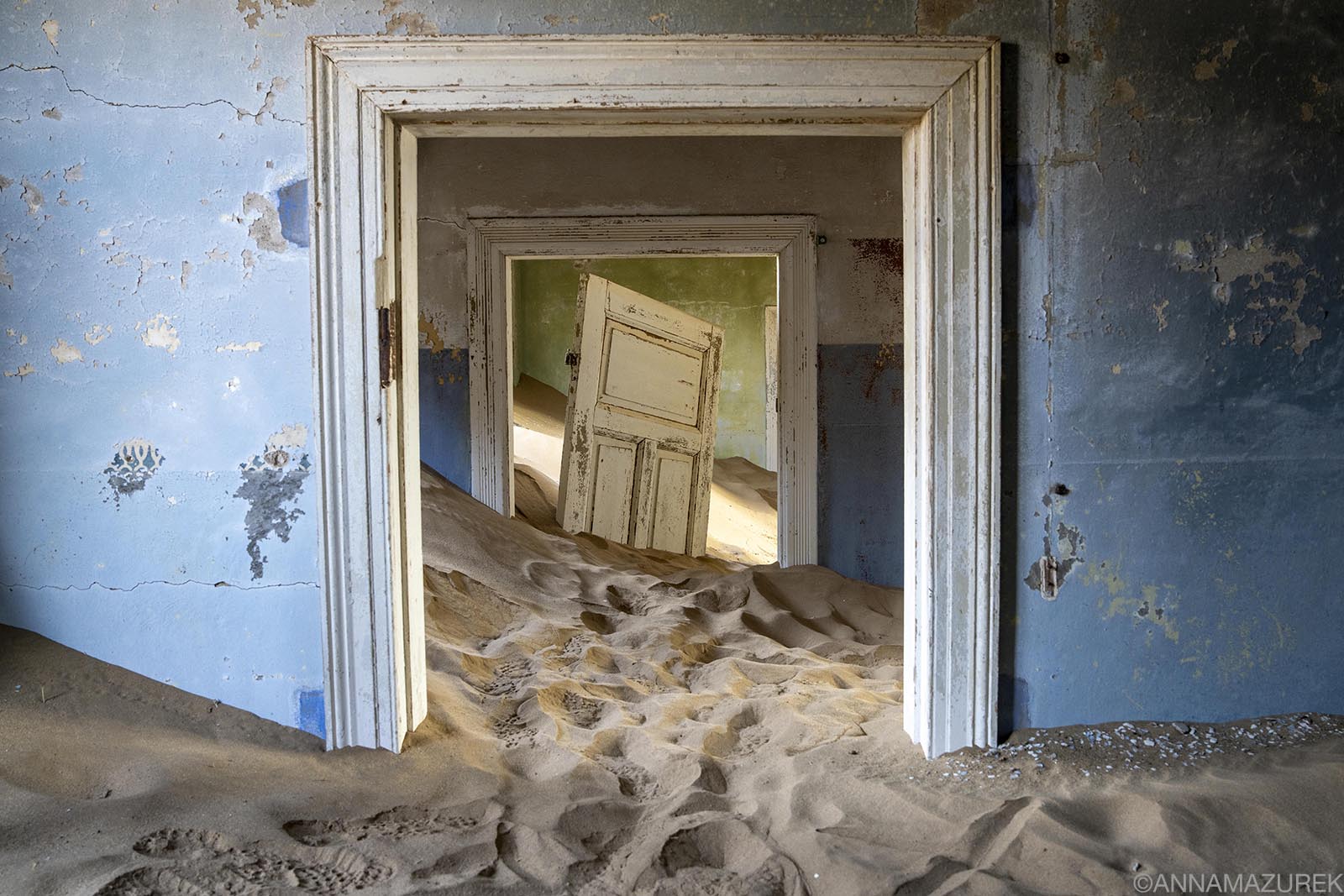 Doorways in the Single Men’s Quarters of Kolmanskop, an abandoned diamond mining town in Namibia.
One of my favorite places on our 14-day Namibia road trip was a visit to an epic ghost town. When Namibia was a German colony in 1908, diamonds were found by a railroad worker near Luderitz, on the southern coast. The town of Kolmanskop was founded in 1912. The diamonds ran dry by the 1930s, and the town was abandoned in 1956. In 2002, the town was opened for tourism. There is an on-site museum with a few renovated buildings in excellent condition. The rest of the site is a photographer’s dream—dilapidated houses filled with sand.
Botswana
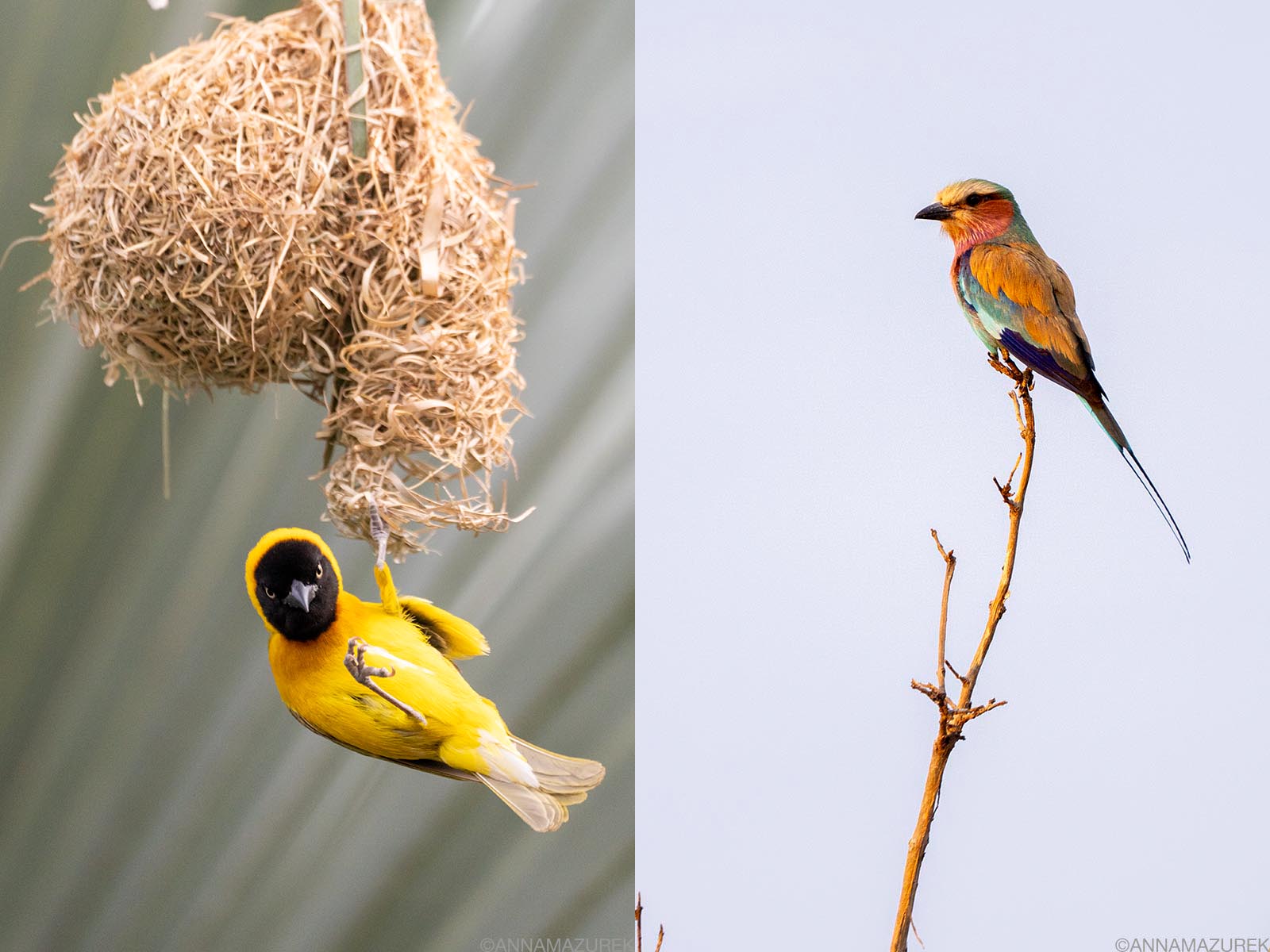 Basketweavers (left) and lilac-breaseted roller (right) photographed in Botswana.
Botswana was a different world from the neighboring countries. With 40 percent of the land dedicated to national parks or reserves and no fences, it was a haven for wildlife. One of the things I really enjoyed the most were the tight images of two colorful bird species: the lilac-breasted roller in Chobe National Park and the bright yellow basketweavers, who build elaborate nets to attract females, at Elephant Sands Lodge.
Sandwich Harbor, Namibia
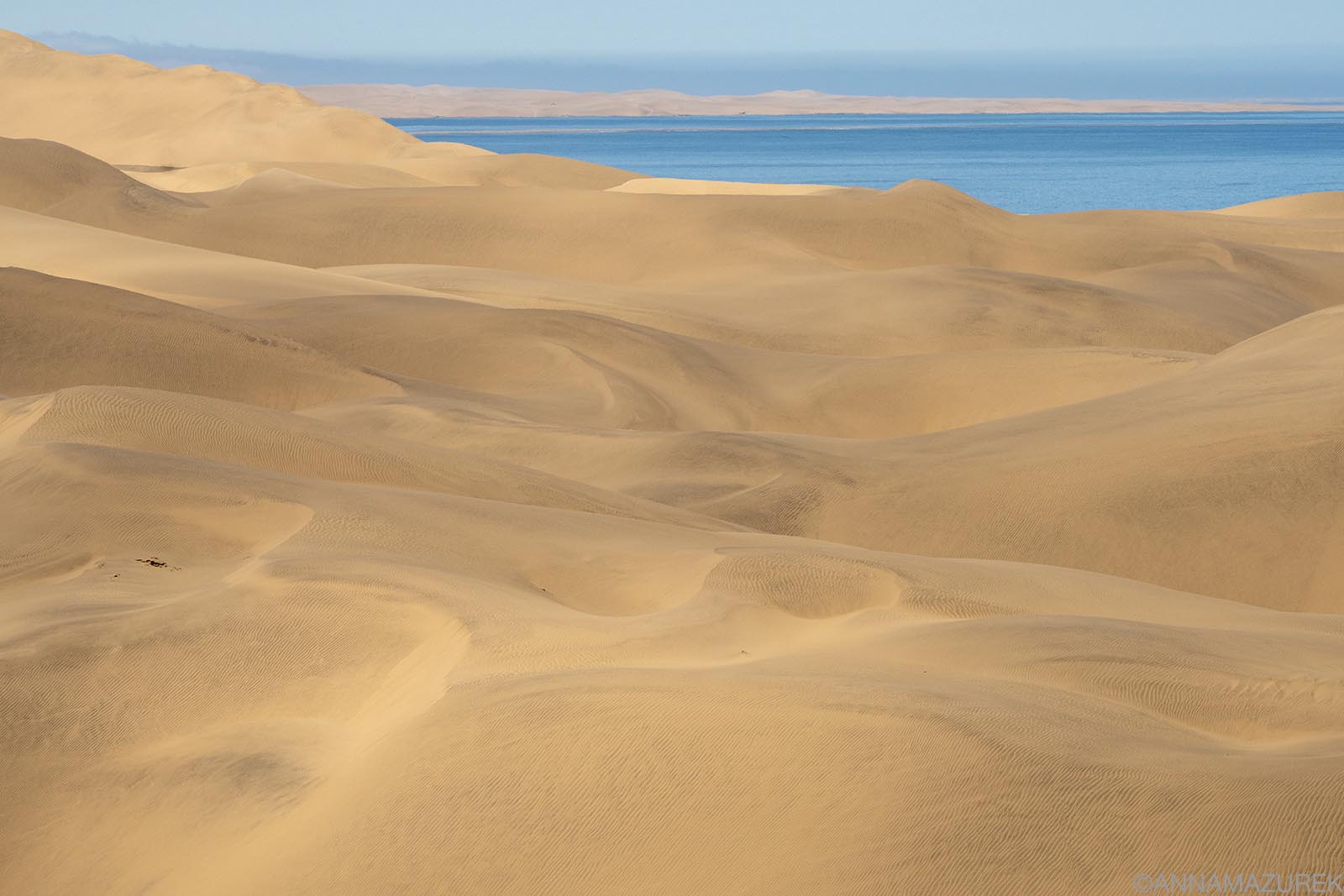 Sandwich Harbor is located 60 kilometers south of Walvis Bay, Namibia and requires a permit to visit.
I’ve been to 70 countries and seven continents, and no place beats Namibia on scenery. Every single corner of the country was photogenic, especially Sandwich Harbor, where towering sand dunes meet the ocean. The site is part of Namib-Naukluft National Park and can only be visited with a permit and a 4X4 tour. Dune driving is exhilarating and was a highlight of the trip.
Boulders Beach, South Africa
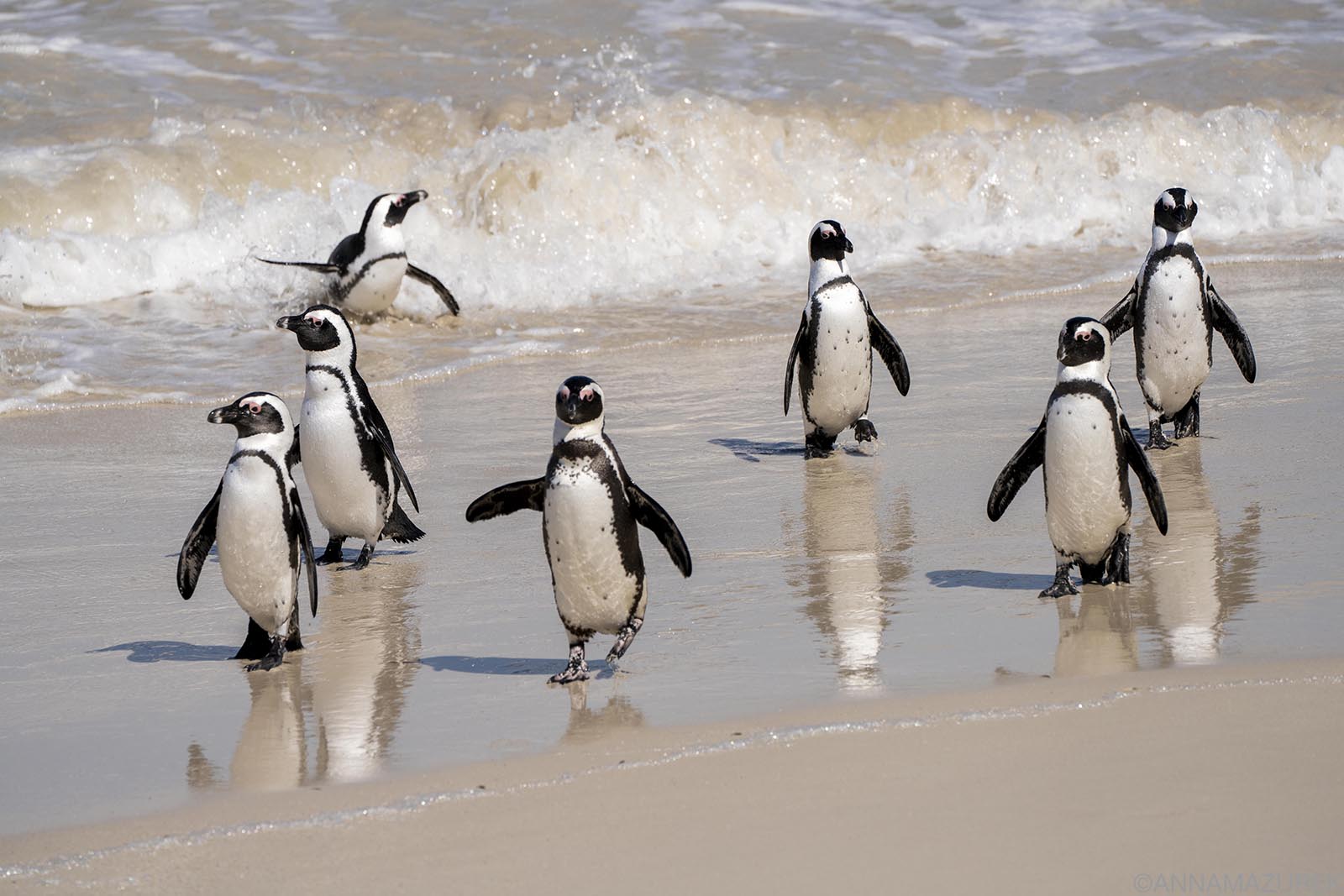 African penguins at Boudlers Beach near Cape Town, South Africa.
Boulders Beach is no secret, but it’s worth a stop regardless. This scenic little bay is home to a colony of endangered African penguins. Visitors can only observe from elevated boardwalks. Since people aren’t allowed on the beach, it was very easy to photograph the penguins without people as background distractions. It still took some patience to get the right angle and spacing so the penguins weren’t photobombing each other.
White Rhino, Africa
 One of my favorite moments in Africa was when this white rhino walked in front of our car.
We had several epic rhino sightings on our trip in various countries. Due to the poaching threat, I’m not posting the location of this image for safety reasons. Our guides said to never tag a location for rhinos because poachers use it to track them down. You also aren’t allowed to report rhino sightings. This specific white rhino just moseyed in front of our car one day and stood there for a few minutes, just long enough for me to click a few frames with my 100-400 lens. (Want to see more safari photos? Check out my post of my favorite safari photos where I share photo tips and camera settings.)
Évora, Portugal
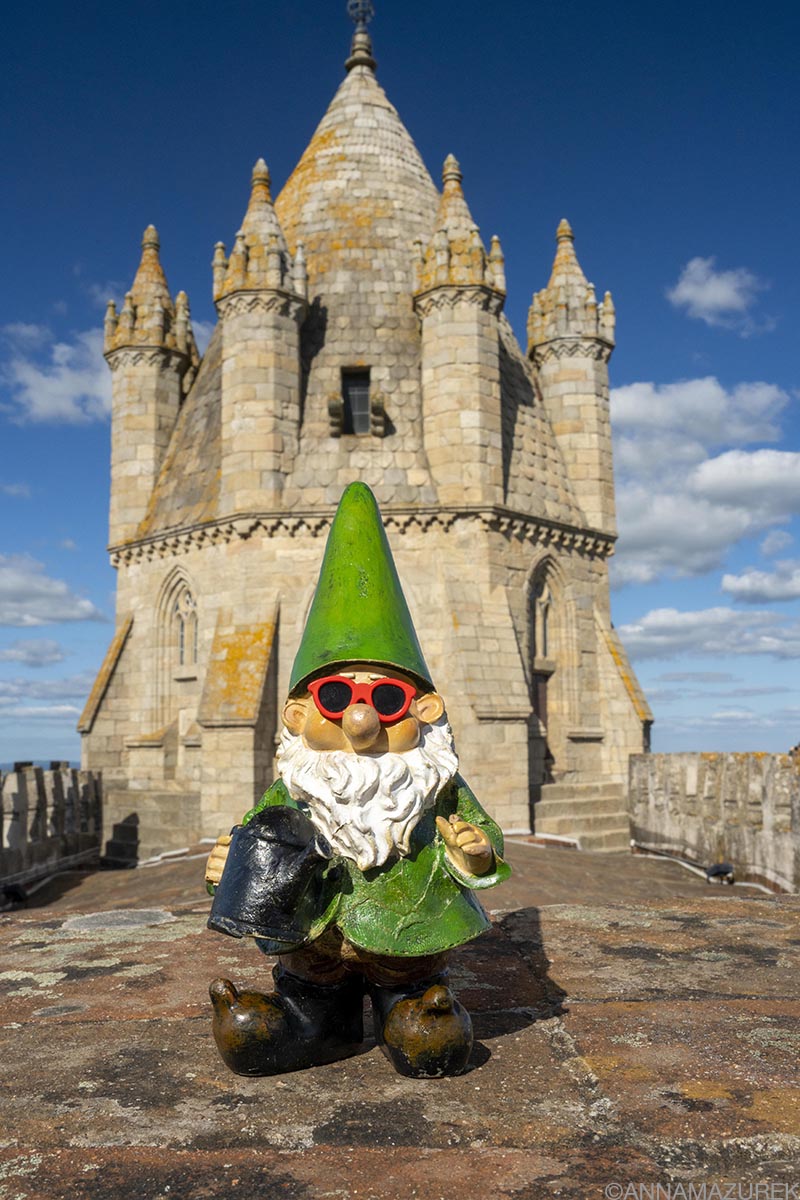 Alfred the Globetrotting Gnome on the roof of Évora Cathedral.
Alfred the Globetrotting Gnome had some fun adventures this year, too. One of my favorites was this shot at the top of Évora Cathedral, the biggest medieval cathedral in Portugal. The rooftop alone was worth a visit, while the remainder of the cathedral was also stunning. Alfred stayed home during my Africa trip for safety reasons—carrying a gnome around who’s been glued back together looks a bit suspicious and airline carry-on restrictions had me fearful that I’d have to put him in my checked bag, which I refuse to do.