

I Used SafetyWing Travel Insurance in Southeast Asia—Here’s How It Went
From a ski trip in the French Alps to backpacking South America, travel insurance is one of the most important things to purchase for any trip. When it comes to insurance, you insure what you can’t afford to pay yourself. Unlike health insurance in the United States, travel insurance is very affordable. SafetyWing is currently my go-to company for flexible travel medical insurance, and I currently use their Essential plan. In this post, I share their insurance and coverage options along with my personal review of SafetyWing.
I’ve also written a second post reviewing my experience with a travel benefit claim after a 24-hour flight delay.
Affiliate links are used in this post. If you make a purchase, I earn affiliate revenue at no cost to you, which goes toward blog maintenance costs. This post was originally published in February 2025 and has been updated with my most recent experience.
In This Post
Why do you need travel medical insurance?
SafetyWing Travel Insurance Options
What does SafetyWing Travel Medical Insurance cover?
Does SafetyWing cover adventure sports?
Does SafetyWing cover electronics theft?
What’s not covered by SafetyWing travel medical insurance?
How much does SafetyWing cost?
Purchasing Process with SafetyWing
My Review of SafetyWing Travel Medical Insurance
Why do you need travel medical insurance?
Travel insurance covers all the things that go wrong – the flight delay that left you stranded in Istanbul for the night or the bout of food poisoning that hits a few hours before your flight home from Mongolia. Both are true stories from my travel adventures and not fun memories. Both of these I claimed on travel insurance and were covered by my plan. I ALWAYS buy travel medical insurance for every trip, which usually runs roughly $56-100/month depending on your age.
Who is SafetyWing?
Founded in 2018, SafetyWing was a fully remote Norwegian startup based in California run by nomads and expats providing insurance for budget travelers and nomads. (You don’t have to be a nomad or a budget traveler to use their insurance. It’s available to everyone.)
SafetyWing Travel Insurance Options
SafteyWing Nomad Insurance has two options: Essential and Complete. Neither plan covers pre-existing conditions. (I’m currently on an Essential plan.)
In late 2025, SafetyWing launched Nomad Citizen—a beta membership offering global coverage for entrepreneurs, freelancers, and nomads who join Plumia’s Nomad Citizen or a sponsoring organization.
SafetyWing Nomad Essential
Best for short-term travel
Nomad Insurance Essential provides short-term coverage for unexpected medical issues and emergencies while traveling outside your home country. Additional add-ons include adventure sports, electronic theft and U.S. coverage for non-residents.
You can pay monthly or in full for policies. Longer policies can be set to auto-renew. When you cancel a policy anytime and get a pro-rated refund. There’s no minimum time limit for policies, so you can buy coverage for the exact dates you need.
This policy is very affordable because it’s less comprehensive than other companies, but provides optional add-ons so you only pay for what you need and don’t overpay for what you don’t. Prices start at $56.28 for people aged 18-39.
SafetyWing Nomad Complete
Best for longterm travel
The Nomad Insurance Complete is long-term comprehensive coverage (12-month commitment) for unexpected and ongoing health concerns worldwide. These plans can be paid monthly or annually for a 10% discount. While adventure sports are included, additional add-ons include electronic theft and coverage in Hong Kong, Singapore and the U.S. (This policy is not available to U.S. residents.) Plans start at $150.50/month.
One of the best benefits of SafetyWing is that you can buy while you are abroad and get 24/7 customer support with a REAL human! (I can vouch that they are excellent at assisting and will follow up with you afterward!) Prices start at $161.50 for people aged 18-39
SafetyWing Nomad Citizen
Global coverage for entrepreneurs, freelancers, and nomads
SafetyWing’s newest insurance program, Nomad Citizen, (beta version) is for people under age 50 who live abroad six months a year and earn $4,000 USD per month for the last year. It provides premium worldwide healthcare, including emergency and preventative care along with coverage for maternity, mental health and massage, plus travel and income protection. Plans start at $400/month for ages 18-39 for members of Plumia or another association focused on borderless living. Join the waitlist for details.
What does SafetyWing Travel Medical Insurance cover?
While it’s important to always read the full insurance policy, the items below are covered by SafetyWing for the Essential and Complete plans:
SafetyWing Nomad Insurance Essential Plan
Each Essential policy has a $250,000 USD max limit and a $100,000 USD max limit for U.S. residents over 65.
- Emergency Accident & Sickness Expenses.
- Emergency Evacuation & Repatriation. (Evacuation to a better-equipped hospital when needed is included with a $100,000 USD lifetime max.)
- Trip Cancelation, Delay or Interruption. (Benefits kick in usually for delays after 12 hours. $100/day for two days) (Read my review of the travel benefits.)
- Baggage Delay & Damage. ($500/item with a $3,000 policy maximum)
- Injuries from leisure sports and activities.
- Motor Accidents. You must be properly licensed, not intoxicated and wearing safety equipment to be covered. ($250,000 US max limit)
- Continued coverage in your home country after 90 days abroad. (30 days for non-U.S. residents and 15 for U.S. residents.)
For more details, read the full policy on their website.
SafetyWing Nomad Insurance Complete Plan
This is an annual comprehensive plan with $1,500,000 overall limit for people aged 18-65.
- Emergency medical treatment and hospitalization (Including evacuation to better-equipped hospital and transport of remains)
- Routine check-ups and preventative care plus doctor and specialist visits
- Psychologist and psychiatrist visits along with wellness therapies (chiropractor, dietician, etc.)
- Trip Cancelation, delay or interruption. (Benefits kick in after three hours.)
- Lost checked luggage and stolen belongings
- Injuries from leisure sports and motor accidents
- Maternity Care (10-month waiting period)
- Cancer Tests and treatment
For more details, read the compete policy.
SafetyWing Discount Codes
New members can use code TravelAnna for 8 weeks of free electronic theft coverage on new 28-day subscription or annual Nomad Essential plans.
Does SafetyWing cover adventure sports?
SafetyWing now covers adventure sports with a policy add-on for the Essential plan. It is included in the Complete plan. From paragliding to scuba diving, check out the full list of covered sports here. Organized and professional sports are not covered.
Does SafetyWing cover electronics theft?
Yes, you can add electronics theft coverage to a SafetyWing Essential and Complete policy for an additional fee. It covers cameras, laptops and phones with a $1,000 USD limit per item and a yearly limit of $3,000 per policy. This benefit is only available as an add-on for policies over 28 days. Proof of ownership like a receipt is needed for claims. To read the fine print, check out this page with all the details.
What’s not covered by SafetyWing travel medical insurance?
SafetyWing doesn’t cover pre-existing conditions for either plan. The Essential plan does not cover cancer treatment, lost or stolen personal belongings (except for electronics if you purchase that policy add-on), or trips that were canceled before you left.
Where can you travel with SafetyWing Nomad Insurance?
You can travel anywhere in the world except for your home country and countries with U.S., U.K., EU or UN sanctions including Belarus, Cuba, Iran North Korea, Russia, Syria and Ukraine.
After being abroad for 90 days, you can get 30 days of home country coverage. (For U.S. residents, it’s 15 days.) This is only for the Essential plan.
Who is eligible?
Essential Plan: Anyone aged 69 and under. Their policies cover people from across the world while they are outside their home country. Plans can be purchased abroad. Over 180 countries are covered. One child under 10 can be added at no extra cost per adult.
Complete Plan: Ages 18-65 except for residents (people who live in the following places 6 months per year) of Belarus, Canada, Democratic Republic of the Congo, Ireland, Palau, Saudi Arabia, United Arab Emirates and the U.S. Please note that this policy doesn’t cover you in your primary residence.
Nomad Citizen (beta): Ages 18-50 who live abroad six months a year, earn $4,000 USD per month and members of Plumia or another association focused on borderless living.
How much does SafetyWing cost?
Plans cost just a few dollars a day and vary by age making SafetyWing one of the most affordable brands of travel medical insurance. Policy add-ons such as U.S. coverage, adventure sports and electronics theft are extra for the Essential plan.
Purchasing Process with SafetyWing
It just takes minutes to fill out the form online including your age, home address and countries you’ll be visiting. The chat box makes it easy to ask questions and talk to a real human 24/7. Customer service can easily answer any questions quickly. They are also great about following up when needed.
Use code TravelAnna for 8 weeks of free electronic theft coverage on new 28-day subscription or annual Nomad Essential plans. New members only.
My Review of SafetyWing Travel Medical Insurance
This includes my experience with three claims in late 2025 and 2024.
I spend every winter in Southeast Asia and always buy a Nomad Insurance policy for my time abroad. In late December 2025, I went to Bangkok Hospital in Chiang Mai to see a doctor for a UTI, who ordered a urine test, gave me some meds and asked me to come back in three days for another visit and urine test. Thankfully, it was all cured by then. The total cost for both visits and the medicine was $113.70 USD. (I’ve also written about my experience with Thailand’s affordable private healthcare.)
The process of filing a claim with SafetyWing took only five minutes and was very simple. (It took probably 15 minutes total, including the time to organize and PDF the documents.) I had to include the medical report with the diagnosis and an itemized bill and proof of payment. (Make sure to ask for these before leaving the doctor’s office.) The best part of about the filing process is that you can upload all the documents together as a single file and don’t have to upload each in a separate category, which I’ve had to do with my regular health insurance. The next step was to add my banking details and done!
A quick note: I waited to upload the documents from both appointments at the same time because it just seemed easier. You can upload things separately because there’s an option to select if it’s related to an existing claim.
The normal turnaround time for processing claims is five business days. Since I submitted the claim late on the Friday before Christmas week, I expected a delay due to the holiday, but it was approved exactly on the fifth business day (December 29th). Since there’s no policy deductible, the direct deposit for the full amount was in my account the same day via a wire transfer that showed up from EXPATPA!
In February 2025, I filed a small claim for a bout of food poisoning I got in Cambodia. The doctor’s visit and medicine were less than $20 USD. The claim was approved the next day and deposited the following day. Perhaps the small amount of the claim helped expedite the process. Either way, I’ve had nothing but smooth experiences since they launched the new streamlined claims process.
In early 2024, SafetyWing paid a claim related to some knee pain I had that required an MRI ($331). In general, they’ve covered a wide range of injuries and illnesses for me over the years.
For my detailed review of SafetyWing’s trip delay coverage, check out this post about my 24-hour flight delay in the Azores.
Overall, the process was smooth. It’s very important to have all your documentation together including the doctor’s report, payment receipts for the visit and any prescriptions. I’ve always had great experience using their plans.
Safe Travels!
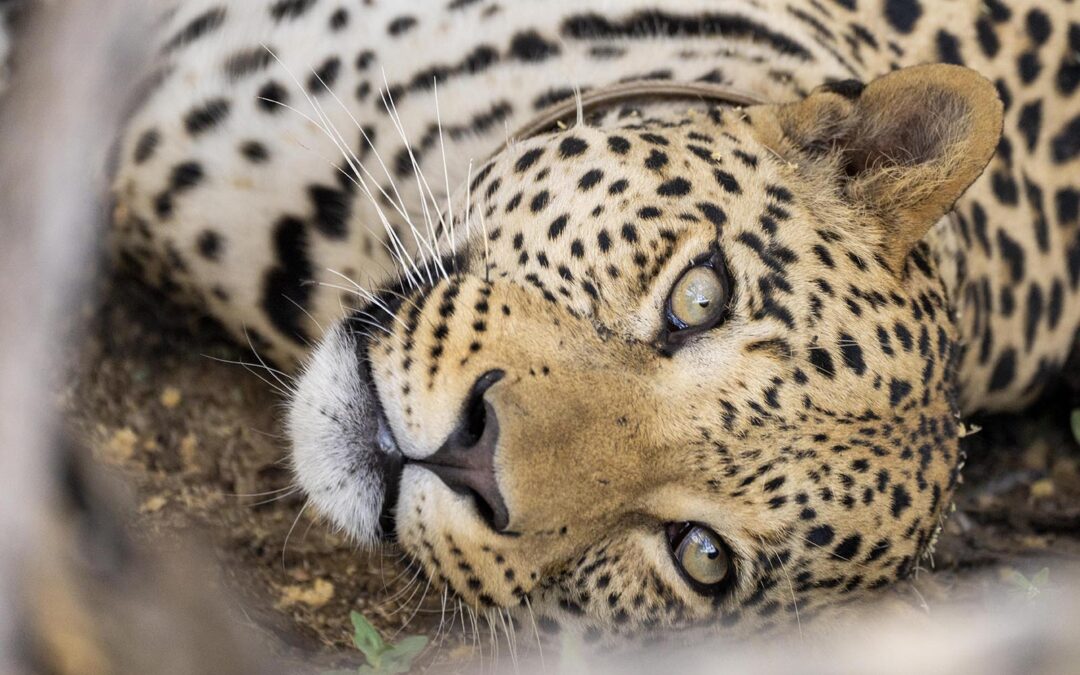
I Spent Two Months in Southern Africa—Here are my Favorite Safari Photos
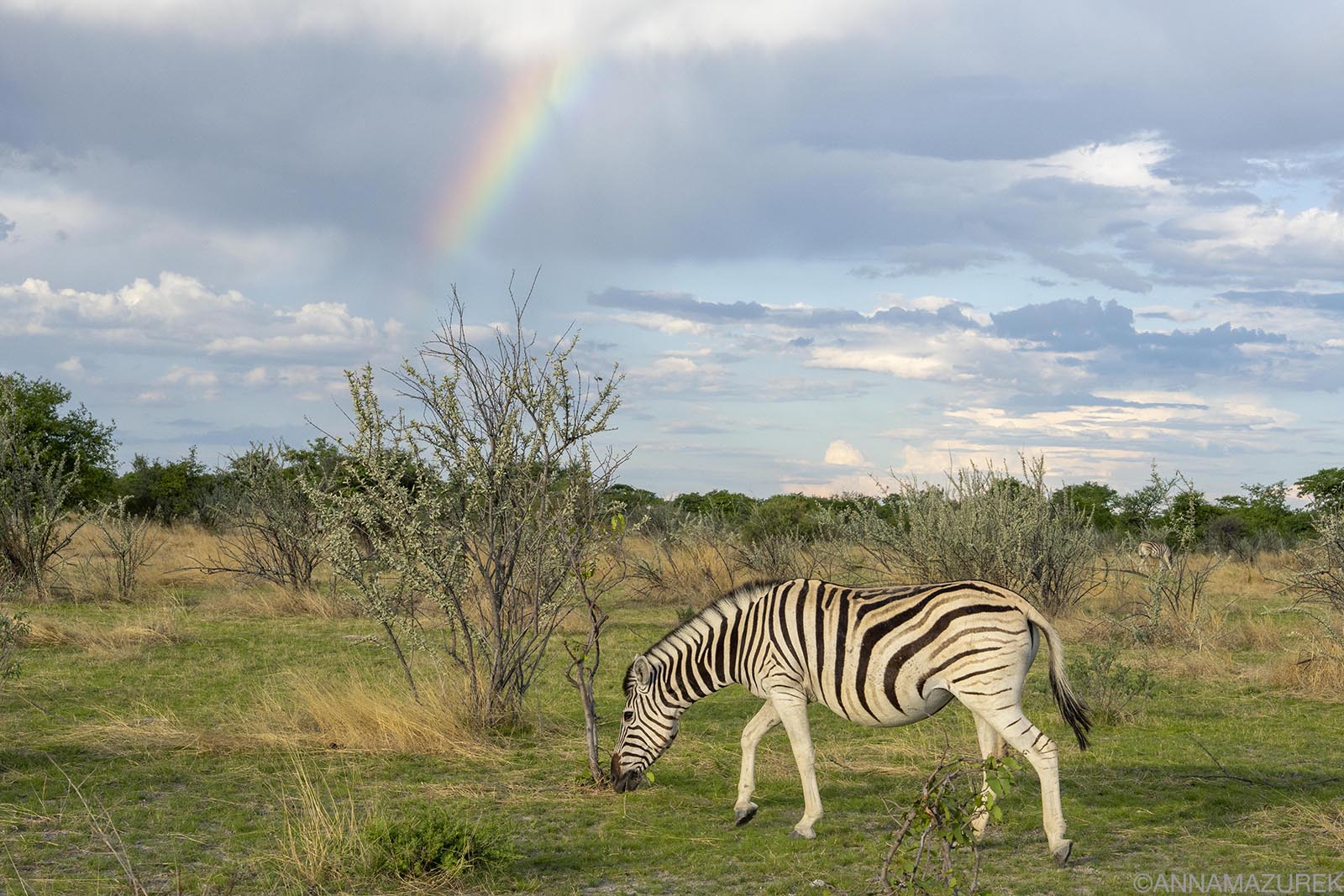 What’s at the end of the rainbow in Etosha National Park in Namibia? A zebra!
On my two-month Africa trip, I shot thousands of frames and still ended up with 600 GB of images and that’s AFTER deleting my outtakes!
Instead of letting these images sit on my hard drive, I wanted to share some of my favorite photos from the trip and the stories behind them!
Safari photography is anything but easy. It’s a real adrenaline rush because you’re bouncing around in the back of an open-air jeep trying to hold your camera steady to snap a frame before an animal moves, turns its head or decides to hide behind a tree.
These images are from four main parks: Kruger National Park in South Africa, Etosha National Park in Namibia, Okavango Delta in Botswana and Chobe National Park in Botswana. Here’s my favorite 16 images from my Southern Africa safari adventures along with the camera settings for each image:
What photography gear is best for safari in Africa?
All but one of these images was shot with my Sony A7Rv body and an f/4 100-400 lens. The only exception is the rainbow image, which was shot with a 24-70 mm lens. I had two of the same camera bodies with me at all times because changing lens was too risky outside in the back of a jeep. I feared I’d miss a shot or get dirt in my sensor.
I shot with my zoom the majority of the time. Honestly, I could have shot the wide images with my phone easily. (I’ve heard of people just taking a phone and a DSLR with only a long lens.) I had a 1.4x teleconverter but only used it once or twice. I found that I was too shaky when shooting with it from the jeep, so I just stuck to the 100-400mm. I also had a circular polarizing filter on each lens.
Best Camera Settings for African Safari
I used a wide aperture (between f/5.6 and f/7.1) to help blur the background/foreground for tighter animal shots, but I did shoot a smaller aperture on landscape images. I always used a fast shutter speed (minimum 1/500 but aimed for closer to 1/1000) to make up for any movement from the animal or the safari jeep. Plus, the 100-40mm lens gets heavy after a while, so the fast shutter speed really helps when I’m wobbly. Since we were moving in the jeep, I kept my ISO between 400 and 800 usually, except for a couple low-light images. (And the elephant shot where I clearly changed the ISO by mistake in my haste to capture the image. Haha!)
Also, I always shoot fully manual out of habit, but shutter priority would be a great idea for a safari. I’ve shared my exposures below to be helpful. Remember, these are just what worked for me or what my camera was set on when the animals appeared. You don’t often have much time to change settings!
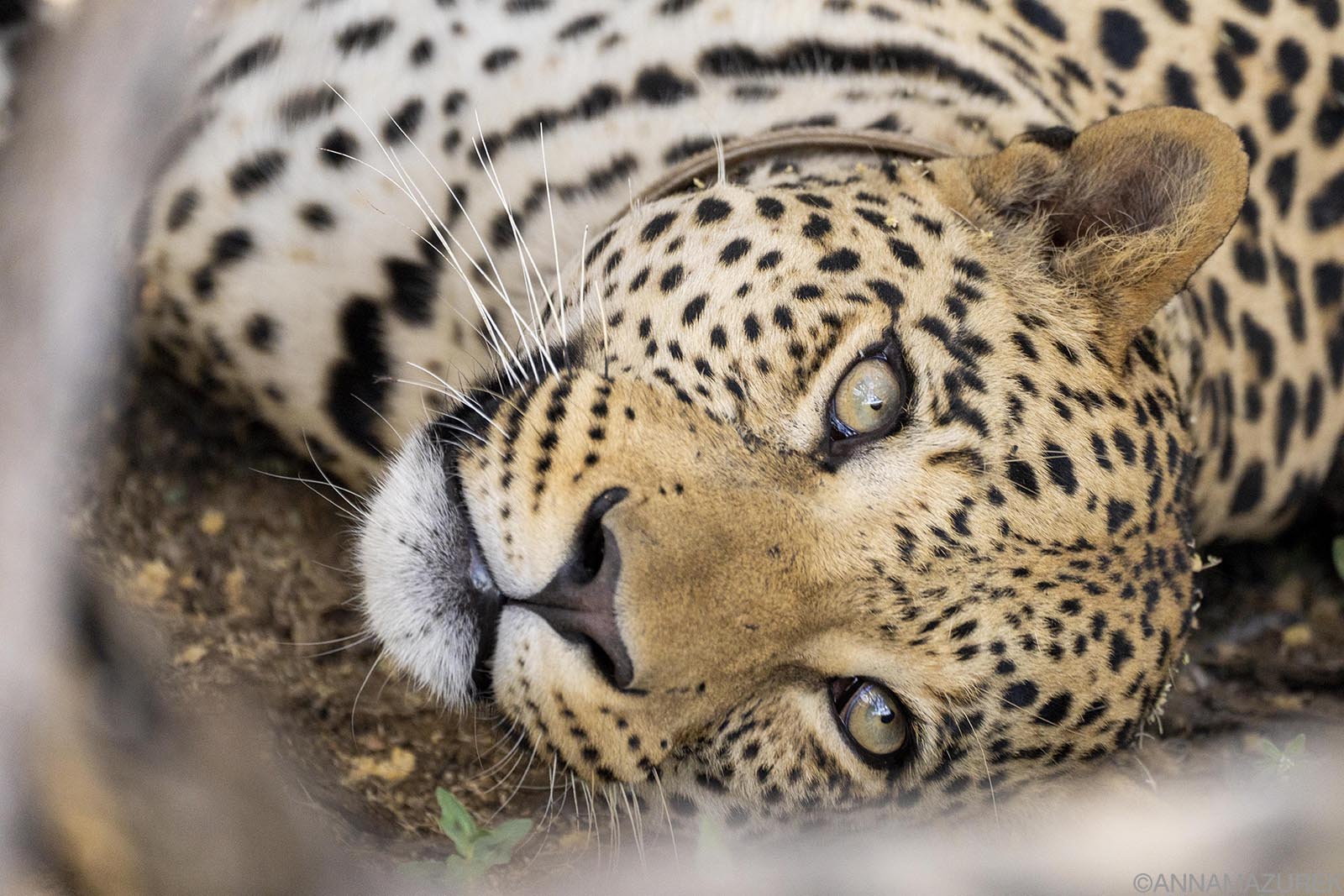 A leopard at Okonjima Nature Reserve in Namibia. (ISO 800, f/5.6 at 1/500)
We spent one night at a private game reserve south of Etosha National Park, known for their leopards. It’s very interesting how private game reserves operate differently than national parks. They have trackers on the majority of the leopards, so if you sign up for a leopard safari, you guide pulls out a device that looks like a 1980s-era TV antenna. We saw three leopards on the ground, walking or sleeping off their food coma at the reserve. (We did see one in the wild at Kruger National Park, walking by a watering hole.) They are normally hanging out in trees, so it was very special to see them on the ground in all of our sightings.
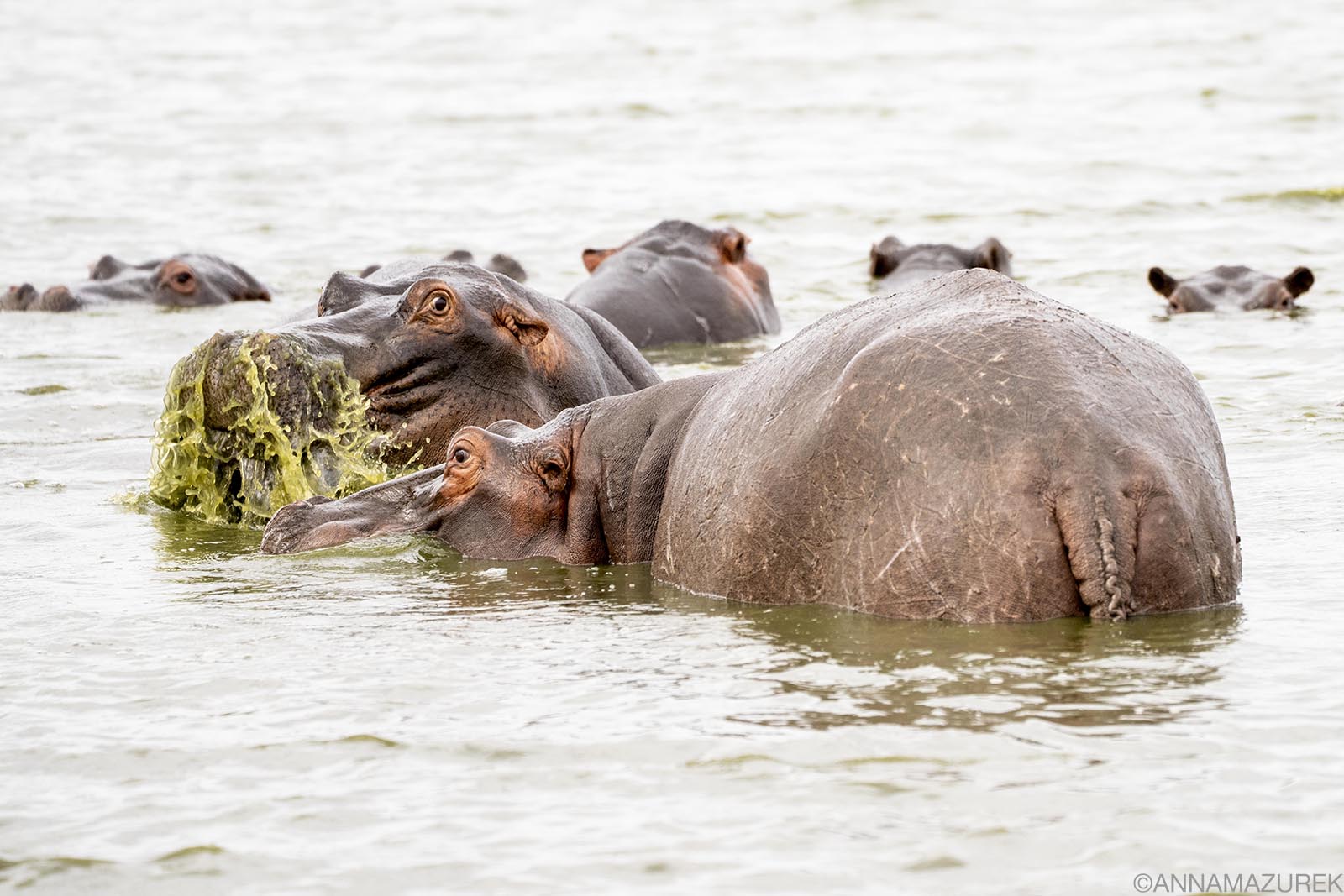 Hippos at Kruger National Park, South Africa. (ISO 800, f/5.6 at 1/1000)
Did you know the word for a group of hippos is called a bloat? We found this bloat in Kruger National Park on our last day. These two were splashing around in the gross green water. Hippos are one of the most dangerous animals in Africa. That’s why every single hippo photo I shot was with my 100-400 lens for safety. (If you like hippos, you should check out my gallery of Moo Deng, the famous sassy pigmy hippo in Thailand.)
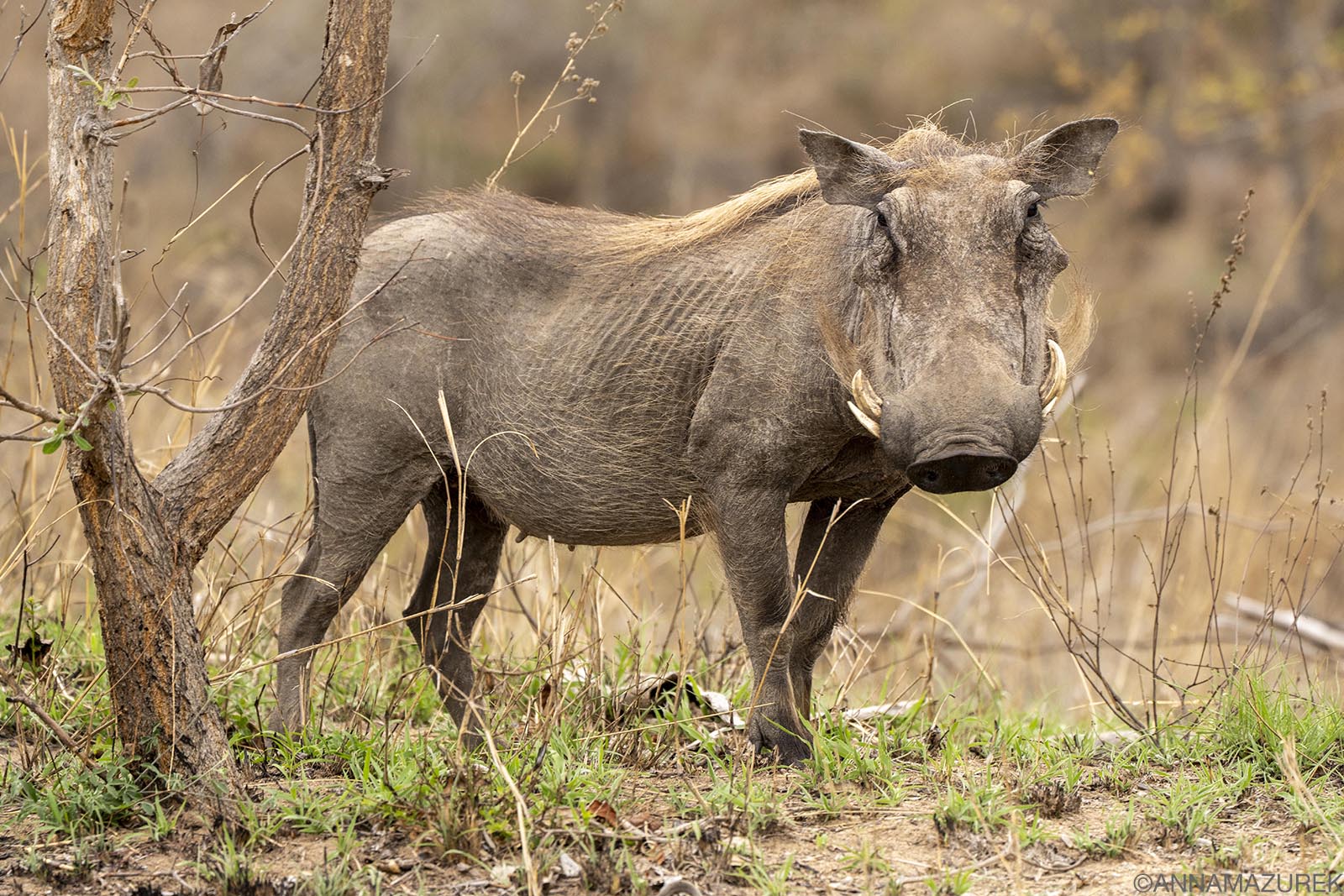 Pumba (warthog) at Kruger National Park (ISO 500, f/6.3 at 1/500)
On every single safari, our guide always yelled out the names of The Lion King characters every time we saw an animal. Pumba! Rafki! Simba! It was a highlight of the whole trip. Well, this Pumba was posing perfectly by a tree with his hair smoothed back like he was getting ready to go on a date.
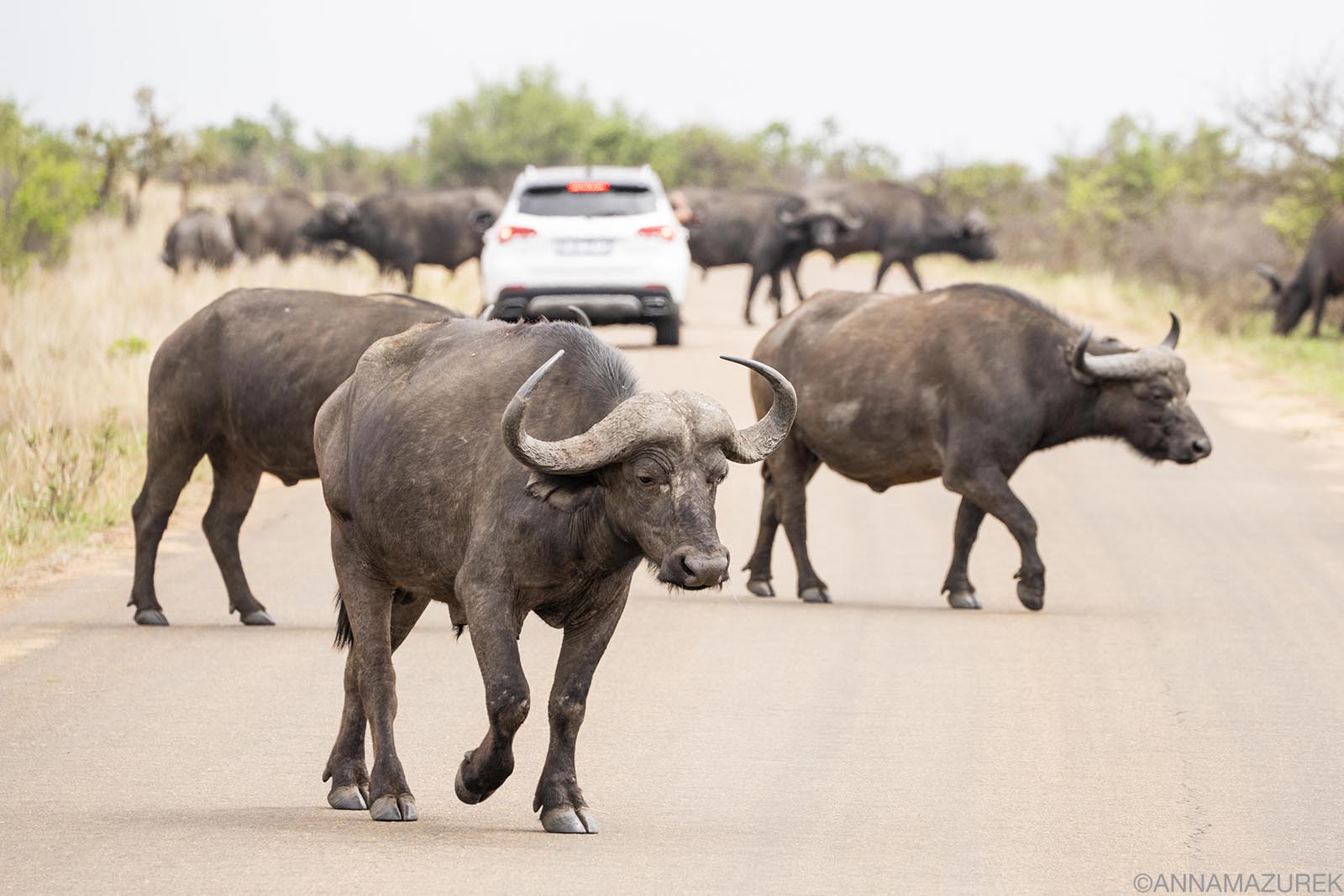 Cape Buffalo crossing the road in Kruger National Park. (ISO 800, f/810 at 1/800)
At Kruger National Park, you can self-drive the entire park or pay for guided safari drives. Either way, you have to stick to the roads (paved and unpaved), but there’s always going to be a wildlife crossing. We had tons of crossings with giraffes, elephants, impala and even a rhino (not in Kruger). This shows the reality of driving through any national park in Africa. Even if you self-drive, I recommend at least doing one guided safari drive because the guides know the best spots to go and have radios to tell each other about animal sightings.
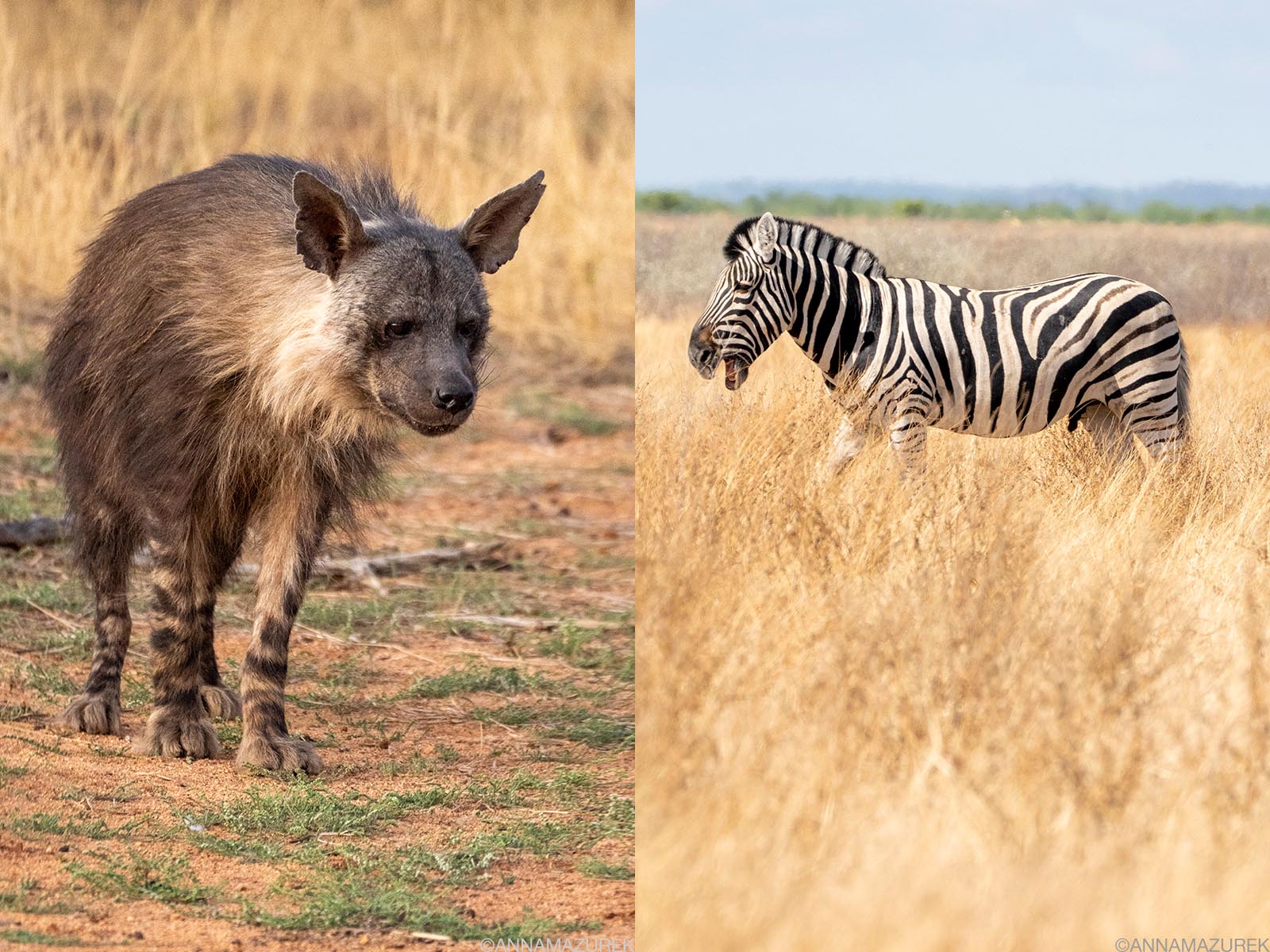 Brown hyena at Okonjima Nature Reserve and a zebra at Etosha National Park in Namibia. (Left: ISO 3200, f/5.6 at 1/200; Right: ISO 400, f/8 at 1/1600)
Brown hyenas are the rarest of the species, and we lucked out with a sighting at the private game reserve. It was coming to investigate two leopards lounging on the ground together at sunset. It was getting so dark that I wasn’t sure I’d get an image, which is why I bumped the ISO up to 3200. (Sony has very little noise at a high ISO!) The second image was a zebra with a funny face at Etosha National Park. The park is a salt pan with some very flat areas, making it easy to get clean wildlife shots with a nice blurred foreground of grass. (Fun fact: Etosha only has four of the Big Five. It’s too salty for the Cape Buffalo.)
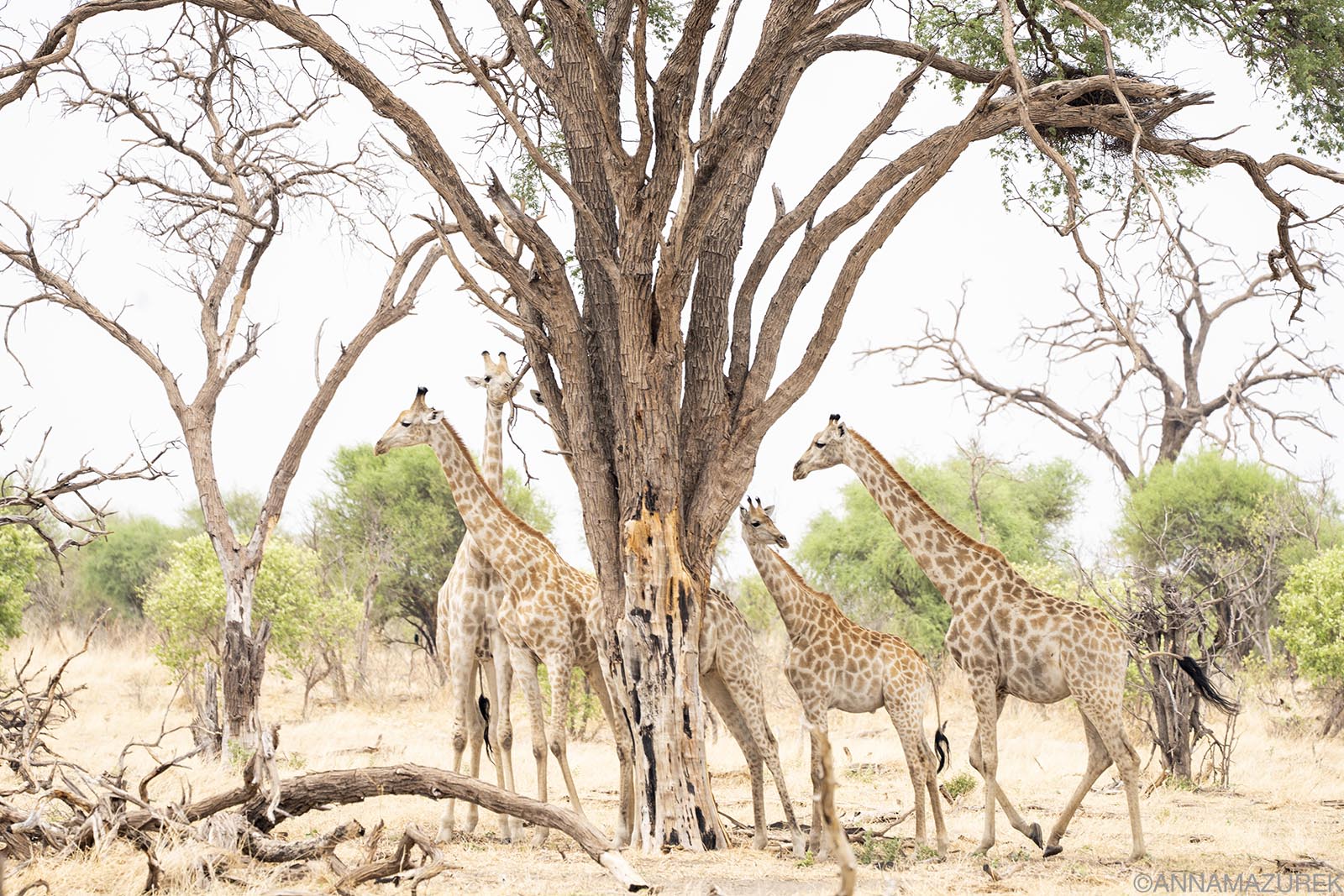 Giraffes in the Okavango Delta, Botswana. (ISO 400, f/7.1 at 1/640)
We lucked out with cloudy skies for our time in the Okavango Delta, which helped with both the heat and the light for photography. I loved being able to shoot without any harsh shadows. I also loved how the tone of the giraffes matches the landscape. Safari photography is tricky because you have to stay in the jeep for safety and can’t change angles very easily.
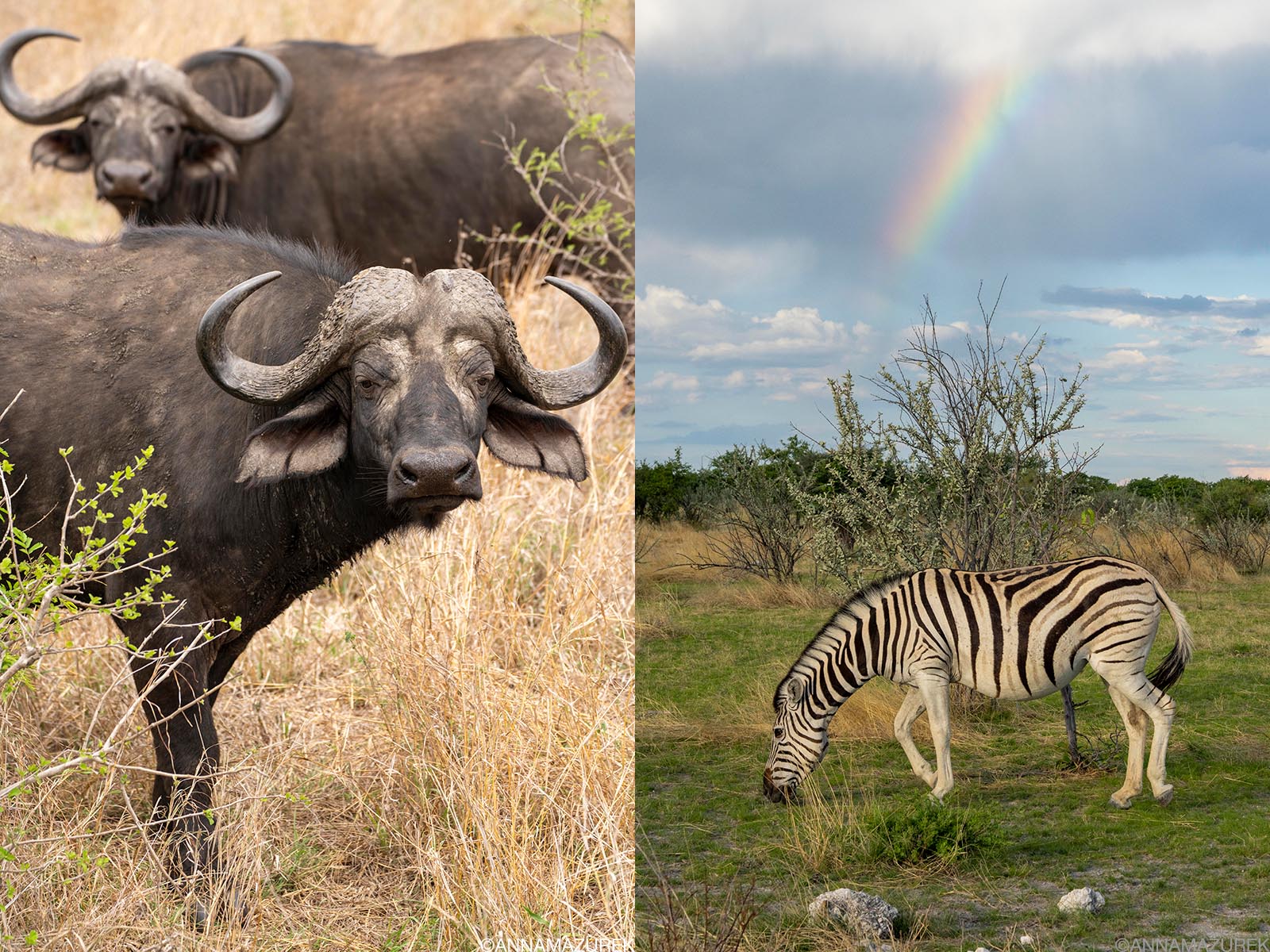 Cape Buffalo in Kruger National Park (left) and a zebra with a rainbow in Etosha National Park in Namibia (right). Left: (ISO 640, f/6.3 at 1/1000); Right: (ISO 400, f/10 at 1/1000)
The light and composition worked out in my favor in this shot of the Cape Buffalo. I struggled to get a clean shot of their faces on previous encounters due to branches and grass. Getting the two lined up together was a dream!
We spent a while chasing this full rainbow in Etosha National Park but had trouble finding anything great for the foreground composition until we found a few zebras grazing. We kept backing the car up a bit to frame the shot with the zebra under the rainbow.
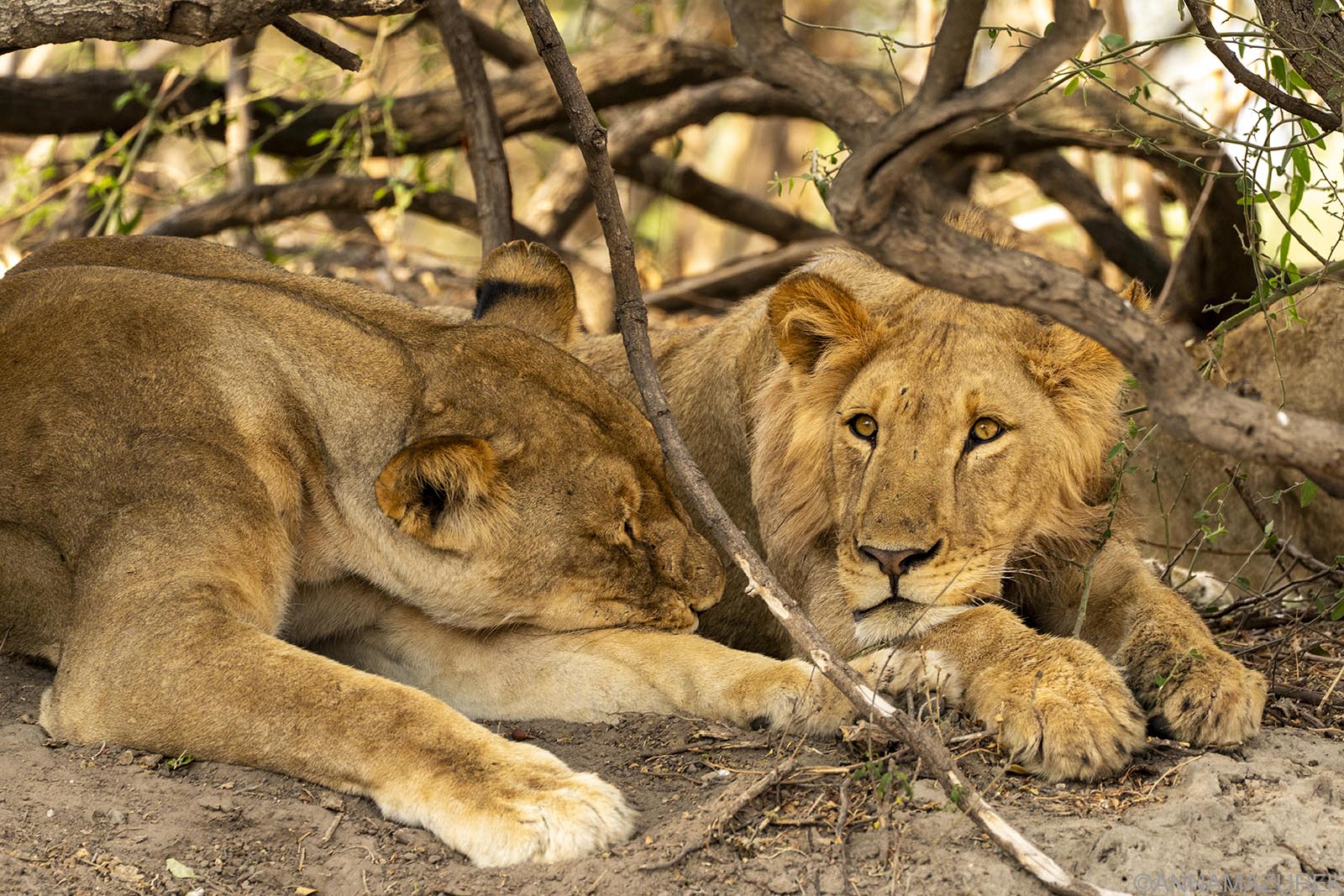 Lions napping after a kill in Chobe National Park. (ISO 400, f/7.1 at 1/500)
A young male lion naps with a pride of female lions in Chobe National Park in Botswana along the banks of the Chobe River. There was a carcass of a Cape Buffalo underneath a nearby tree, with one lion still licking the bones clean. These lions didn’t even care that we were nearby. The male lion looked at us curiously, but the lions are all used to the safari jeeps. You just have to be careful not to lean out the side of the jeep!
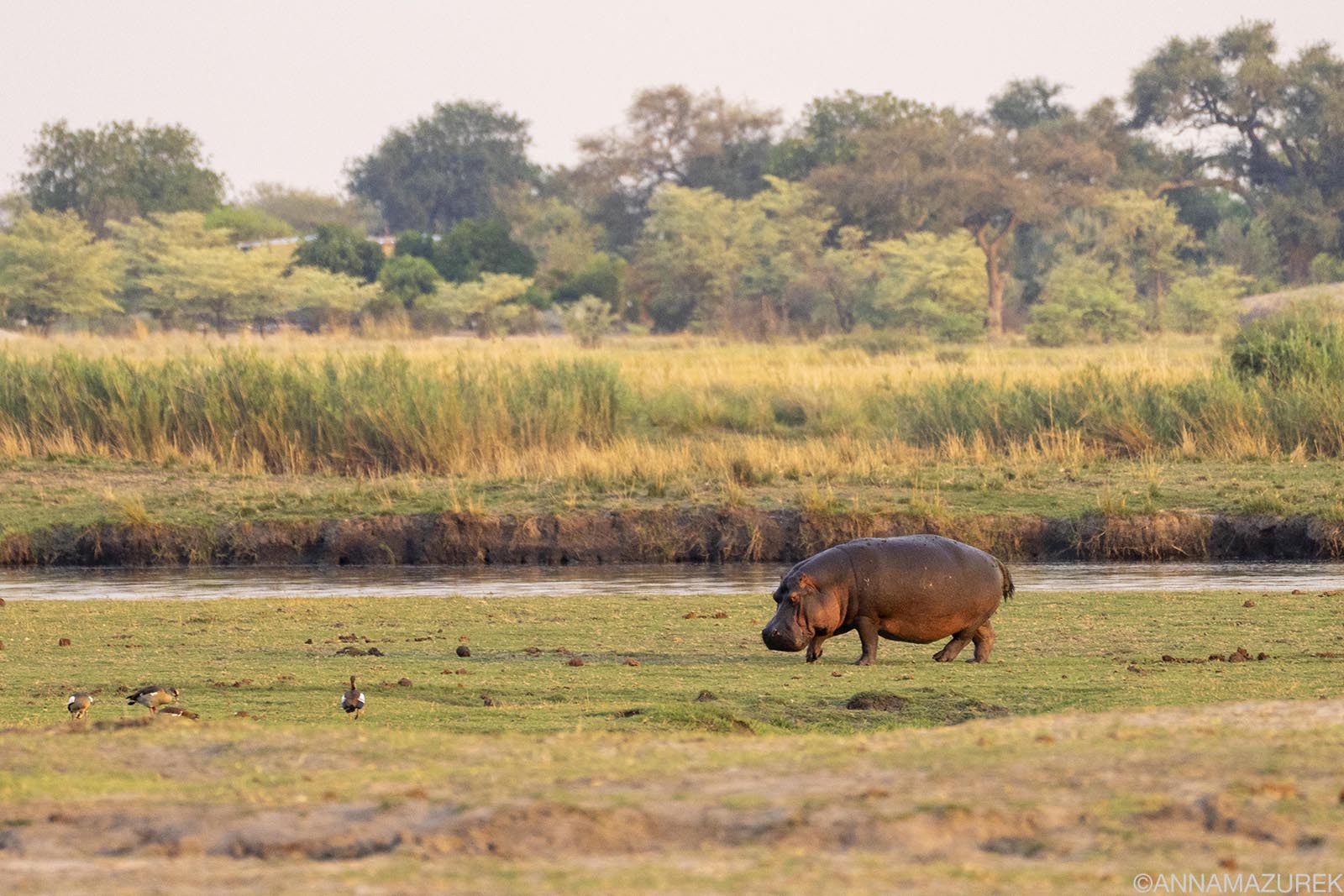 A hippo walking across an island in Chobe National Park along the Chobe River in Botswana. (ISO 800, f/5.6 at 1/400)
Hippos can spend up to 16 hours a day in the water but come out to graze around sunset. We saw this guy wandering through an area along the Chobe River in Botswana around dusk. Since hippos are very territorial, we kept a safe distance—all of my hippo shots were with a 100-400mm lens. I liked the idea of framing him with the landscape in the background.
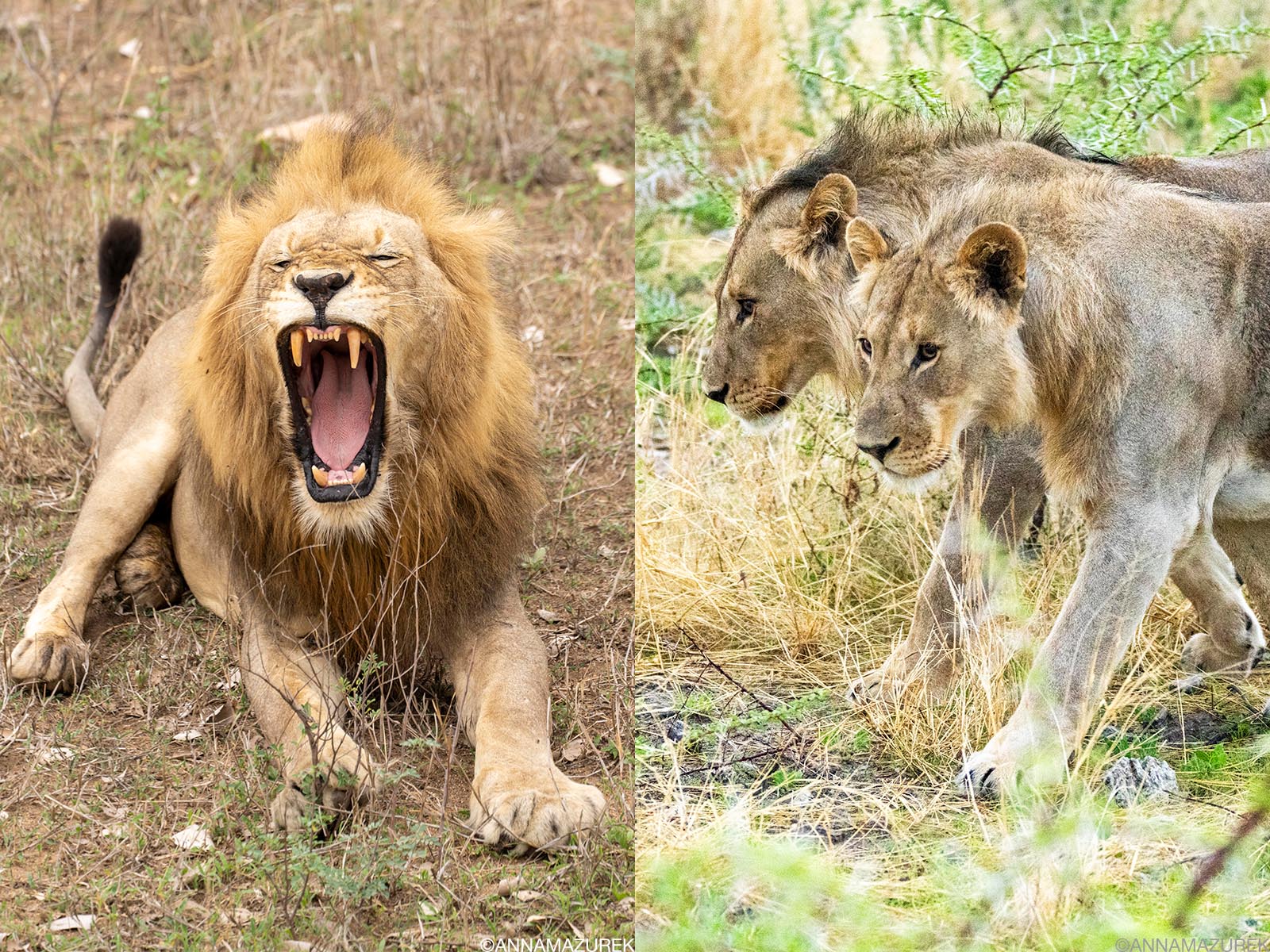 Male lions in Kruger National Park (left) and Etosha National Park (right). (Left:ISO 800, f/7.1 at 1/640; Right: ISO 6400, f/5.6 at 1/160)
In Kruger National Park, we came across two lions mating in a field. Afterward, I got this shot of the male yawning big. The photo on the left is of two young males walking together along the roadside in Namibia’s Etosha National Park. (This image was shot at a high ISO because it very dark at sunrise.) The key to these shots is just waiting for the moment and composition to appear. Again, I was limited on my angles because we were confined to the jeep, so I did the best I could. I’d love to have had a lower angle on the yawning shot, but it wasn’t possible due to safety.
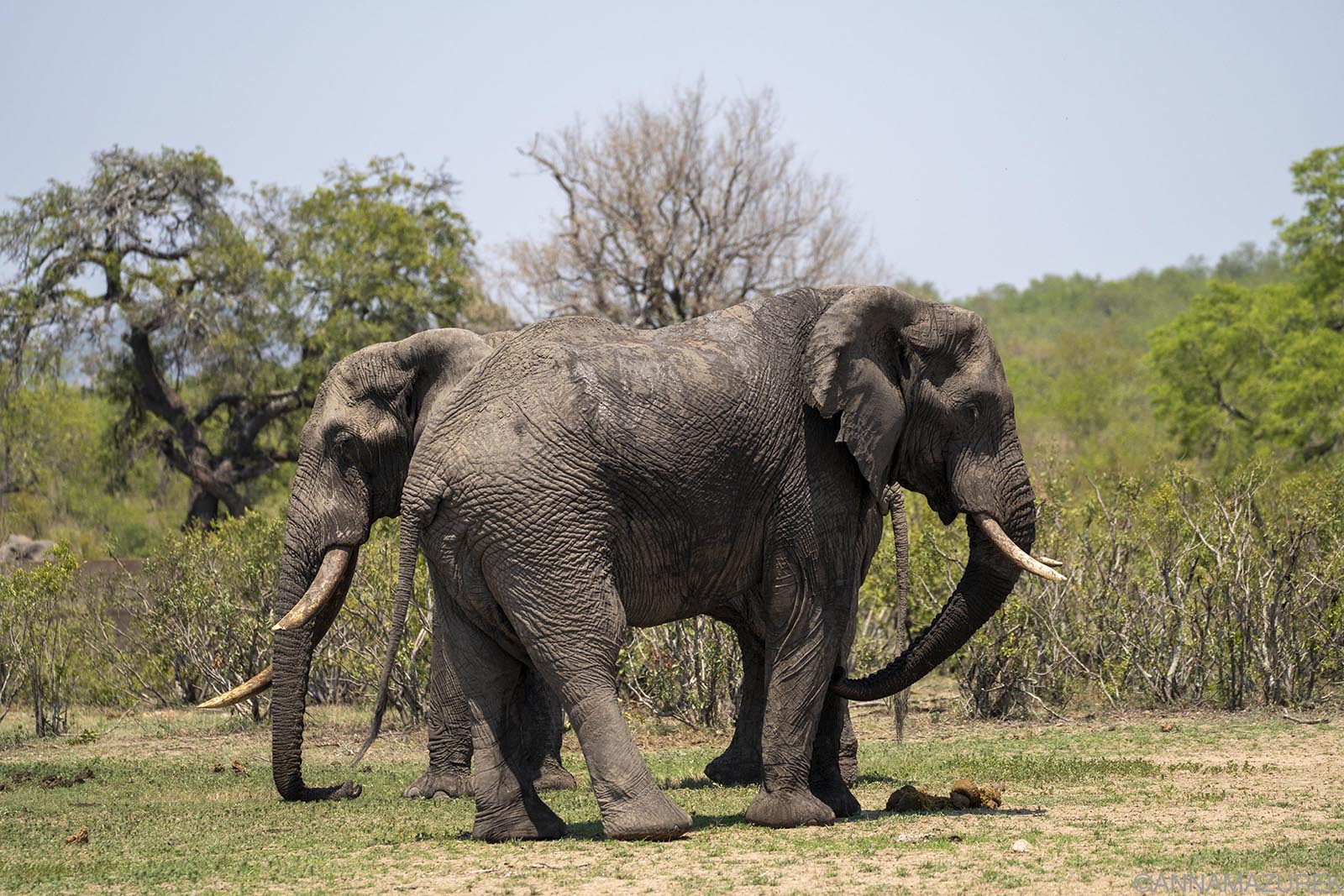 Elephants in Kruger National Park, South Africa. (ISO 400, f/5.6 at 1/3200)
These two elephants put on quite a show for us in Kruger National Park. We were photographing one when the other walked out of the bushes. It looked like they might fight, but they just walked around each other. When they overlapped, I snapped this frame because I loved the juxtaposition of their tusk lengths. The one with the longer tusks is older and has a broken tusk, which doesn’t grow back. (I’m laughing that I accidentally shot this at ISO 3200, but that’s what happens when you get excited in the moment!)
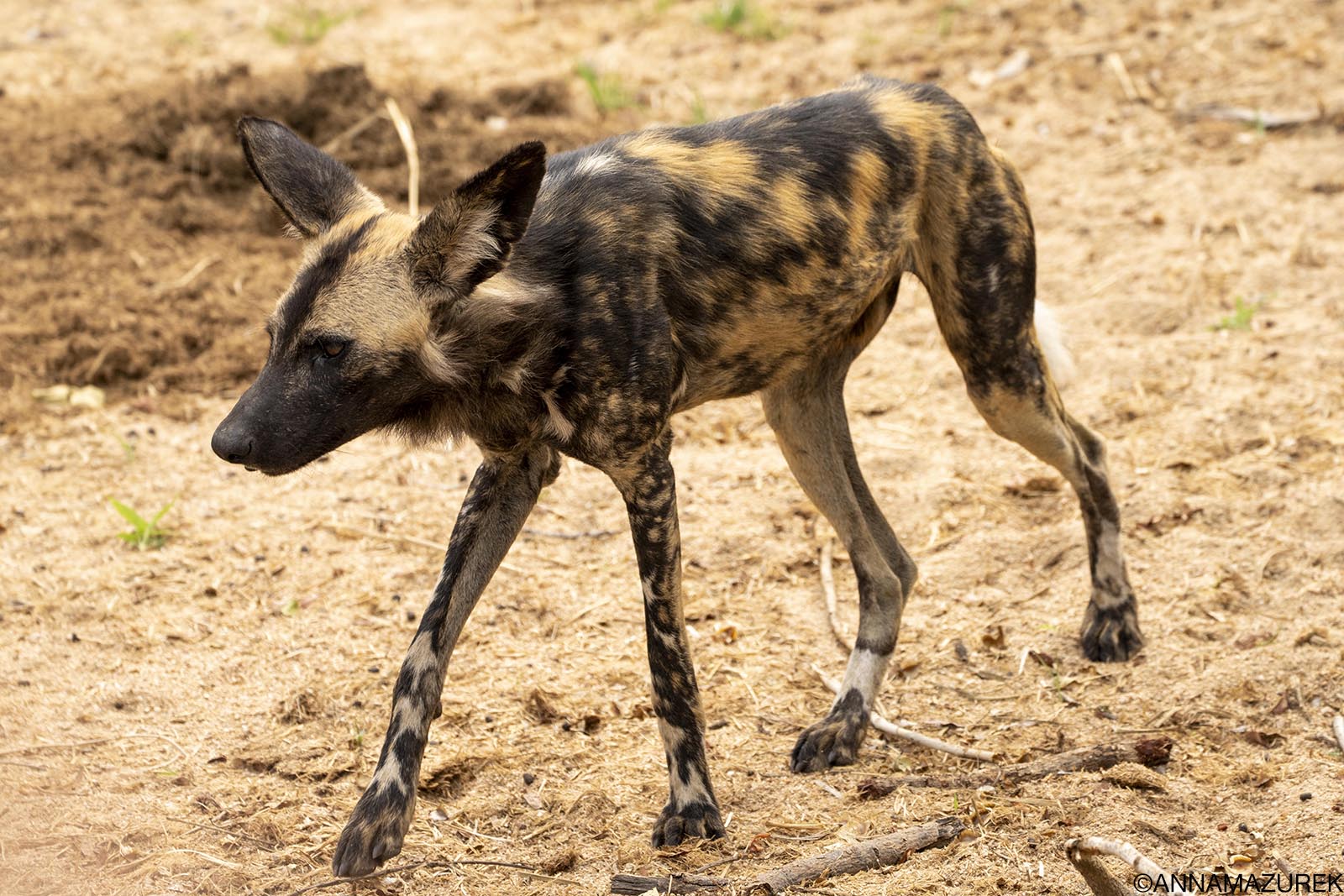 Painted dog in Kruger National Park. (ISO 640, f/6.3 at 1/800)
Painted dogs, also known as African wild dogs, are a very rare sighting in Kruger National Park. We lucked out and drove up on a pack of at least 15, including some pups. It was our only sighting but a very special one. This image really shows their unique fur pattern.
 Giraffe and an impala at Kruger National Park, South Africa. (Left: ISO 500, f/5.6 at 1/640; Right: ISO 500, f/7.1 at 1/1000)
This giraffe image is one of my favorites because I love how its spots almost blend in with the tree branches at the bottom of the frame. I love the texture of the trees and the wonky look on its face. Giraffes are the best at posing for photos. Impalas (right image) are one of my most common animals we saw on a safari. Anytime we saw a jeep stopping to photograph them, we always joked that it must be their first day in the park. Regardless, they are beautiful creatures who deserve some love!
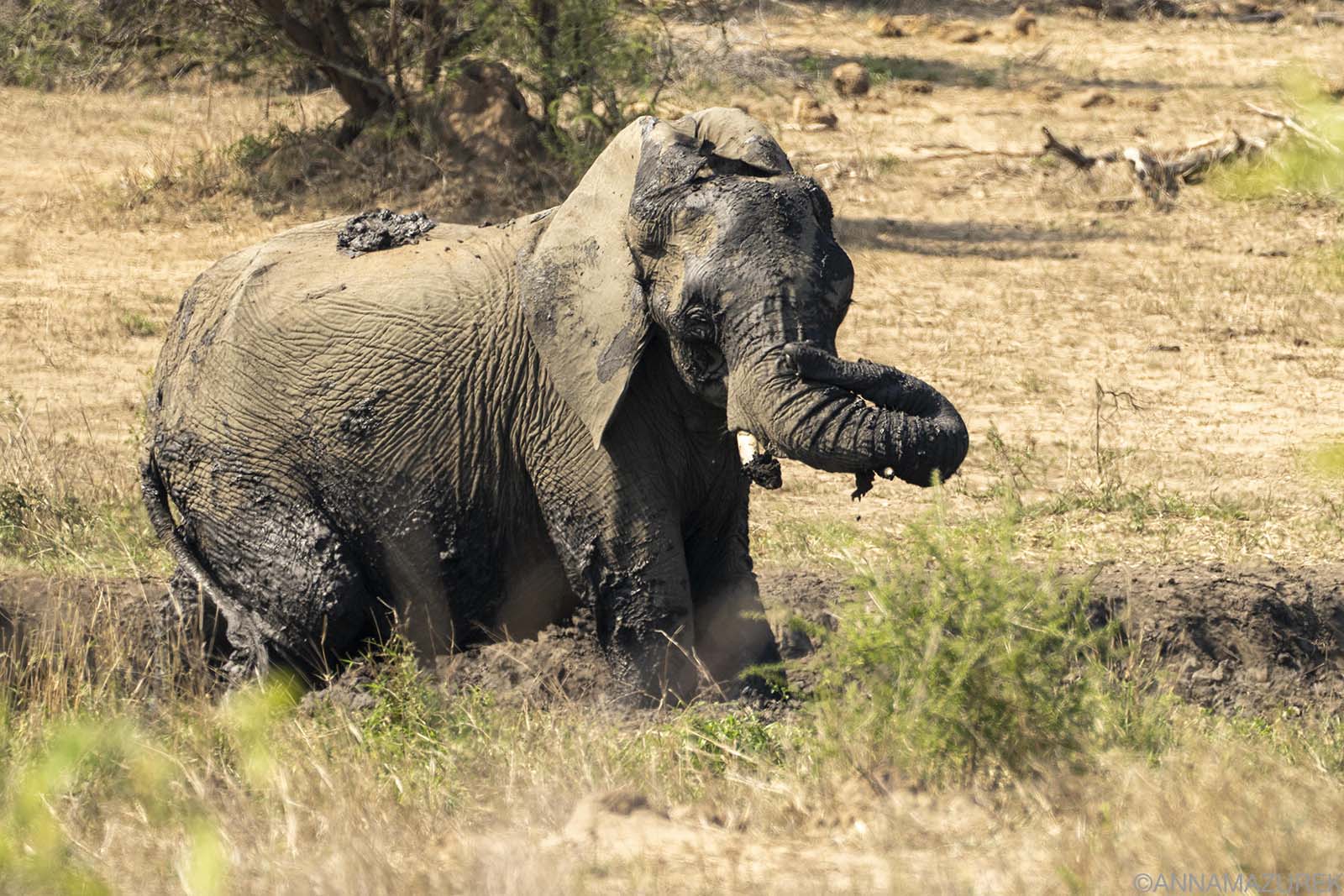 An elephant taking a mud bath to cool off in Kruger National Park. (ISO 500, f/7.1 at 1/500)
I loved watching the elephants find ways to cool off in the heat at Kruger National Park. We visited in early October right before the rainy season started. This one was using his truck to lather up with mud to cool off. I loved the curve of its trunk and the patches of mud across its body. Others were dipping their trunks into water reservoirs. You always find elephants where there is water!
Connectivity in the Bush: Airalo eSIM Review for Safari & Travel in Southern Africa
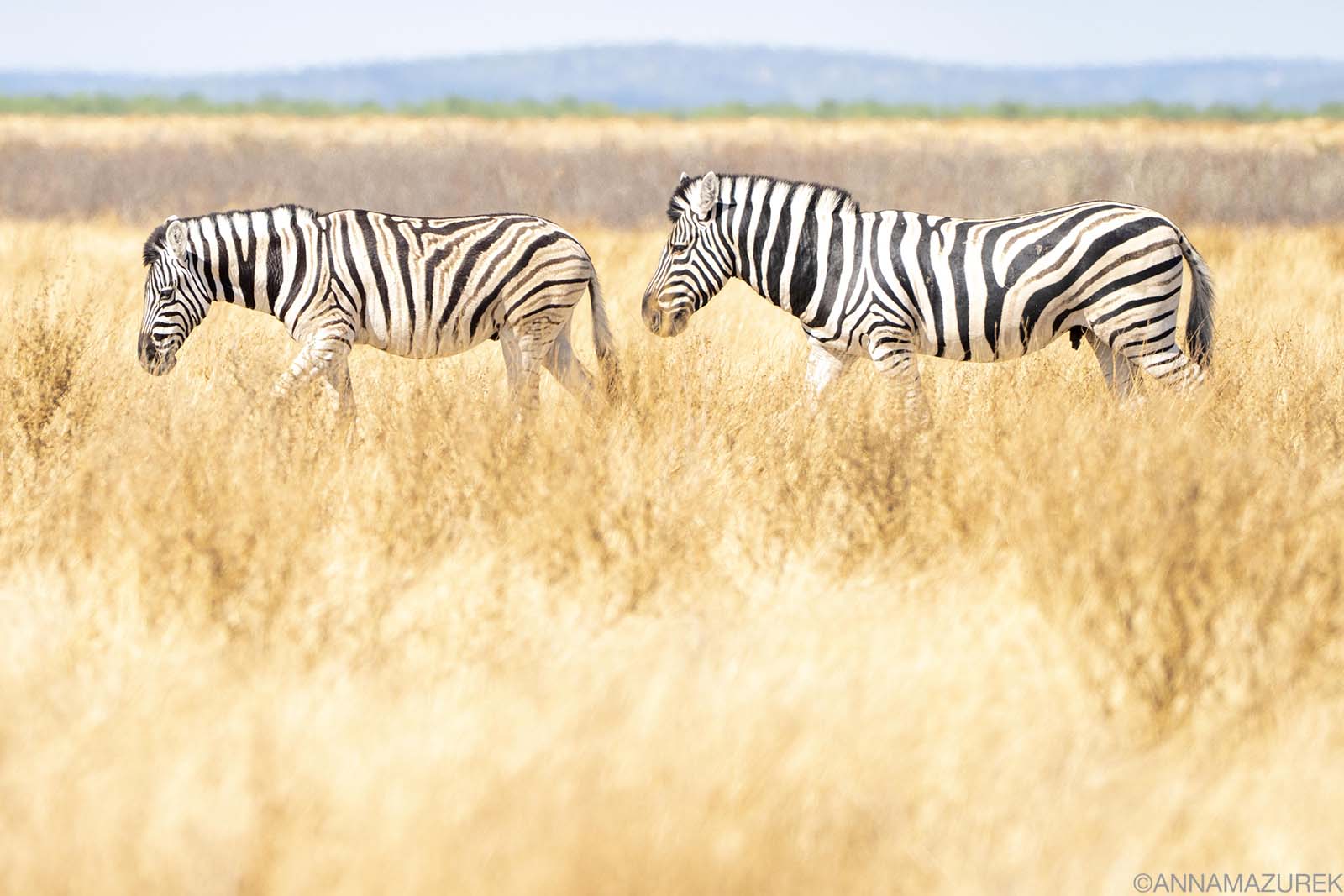 Zebras roaming through Etosha National Park in northern Namibia.
Africa is a new and developing region in the eSIM card sphere, so I was excited to test out Airalo’s options on a recent two-month trip in Southern Africa spanning five countries. One of the concerns while planning this epic adventure with my friend Becky was connectivity because we had to work while on the road. (Becky is a content writer and must make daily blog and social media posts.)
We both brought our old iPhones with a physical SIM card tray as a backup. (Spoiler: we didn’t need it!) I always download offline maps before arriving as a safety tool.
Since I’ve written about the pros and cons of eSIM cards, I decided to use Airalo because it is the world’s first eSIM store and has the most plan options for the region. From rhino sightings to hiking sand dunes and exploring ghost towns, here’s my honest Airalo review for travel in Southern Africa.
Countries Visited: South Africa, Namibia, Botswana, Zimbabwe, Zambia
Usage: WhatsApp for texts, calls and audio messages, navigation apps, uploading video/photos to social media, and using the hotspot to connect to a computer for WordPress.
Promo Codes: NEWTOAIRALO15 for 15% off your first purchase. Existing users can save 10% with AIRALOESIM10.
AFFILIATE DISCLOSURE: This is a sponsored post with affiliate links. All opinions are my own. If you make a purchase, I earn a small commission at no cost to you, which goes toward blog maintenance costs. I only recommend products and companies I truly love and use.
Airalo in South Africa
Locations Visited: Cape Town, Cape Point, Boulders Beach, Hermanus, Stellenbosch, Franschhoek, Johannesburg, Kruger National Park
Cellular Network: Vodacom
Is 5G supported? Yes (The plan isn’t supposed to support 5G, but I had it everywhere.)
eSIM Used: CellSA 5 GB for 15 Days ($13.50 USD) and CellSA 10 GB for 15 Days ($24 USD), plus a top-up 1 GB for 3 days ($4 USD)
Airalo in Cape Town & Western Cape
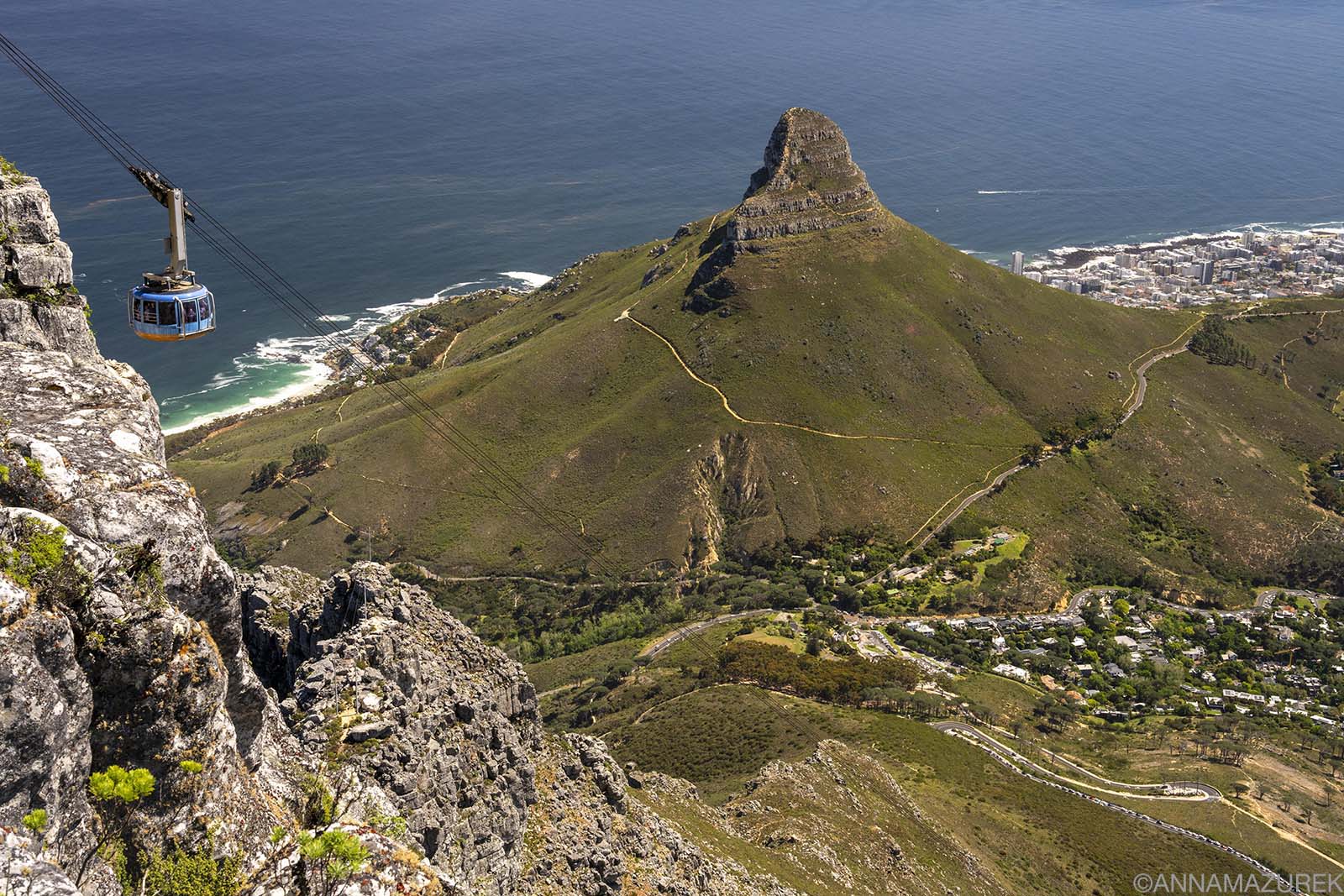 The view of Lions Head and the cable car from the top of Table Mountain.
I kicked off my two-month trip with a few days in Cape Town using the CellSA 5 GB for 15 Day plan. I had 5G coverage all over the central part of the city (CBD, Green Point, Sea Point), which is funny because the eSIM only says it supports 4G. It was a bit spotty at Table Mountain—I had LTE on the cable car and spots on the top.
At the end of the trip, we came back to Cape Town for 15 days and stayed in Green Point. For this, I bought the CellSA 10 GB for 15 Days plan. I did a speed test with the Ookla Speed test app, and it was 370 Mbps download 52 Mbps upload on 5G.
We drove out to the Cape of Good Hope and Cape Point in Table Mountain National Park. Since it’s a national park, there was no service as I expected. My friend Rolando had the Verizon international service (he gets it free through work) and had a couple of bars of 5G here and there on the MTN-SA network. The service was spotty on the drive back to Green Point for both of us, and there wasn’t any service in Boulders Beach, the famous penguin colony. Keep in mind that you must drive through a mountain pass to get to Cape Point from Cape Town itself, so there will always be some rural areas with spotty service. I had downloaded Google Maps, so there were no issues with navigation.
We did two day trips for wine tastings in Stellenbosch and Franschhoek, which are a 1.5- to 2-hour drive depending on traffic. Service was fine in the city centers but spotty at some of the rural wineries. It switched to LTE in those areas. We paid for private tours and drivers for these wine tastings for safety, which I recommend everyone do!
We also did a day trip to the start of the Garden Route near Hermanus and had a similar experience with good service in the town and only one bar of LTE at Creation Wines, my favorite winery. Again, it’s a mountainous area, so this was all expected. We could easily scroll the internet and upload to social media overall.
I went through data a lot slower than I expected. Since my plan expired early on the morning I was leaving, I added a 1 GB top-up at the end because I wanted to have service at the airport because I never trust airport WIFI. A 15-day plan was cheaper than a 30-day plan. Since I stayed 16 days, the top-up was the most economical option. FYI: Airalo offers unlimited plans for heavy data users.
Airalo in Johannesburg and Kruger National Park
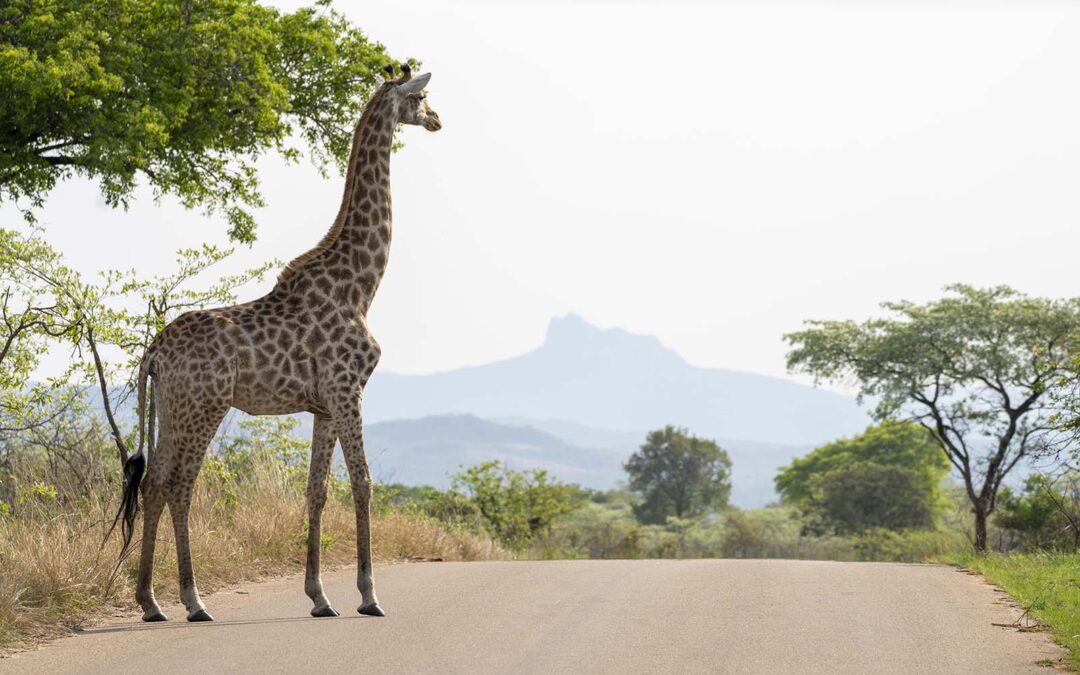
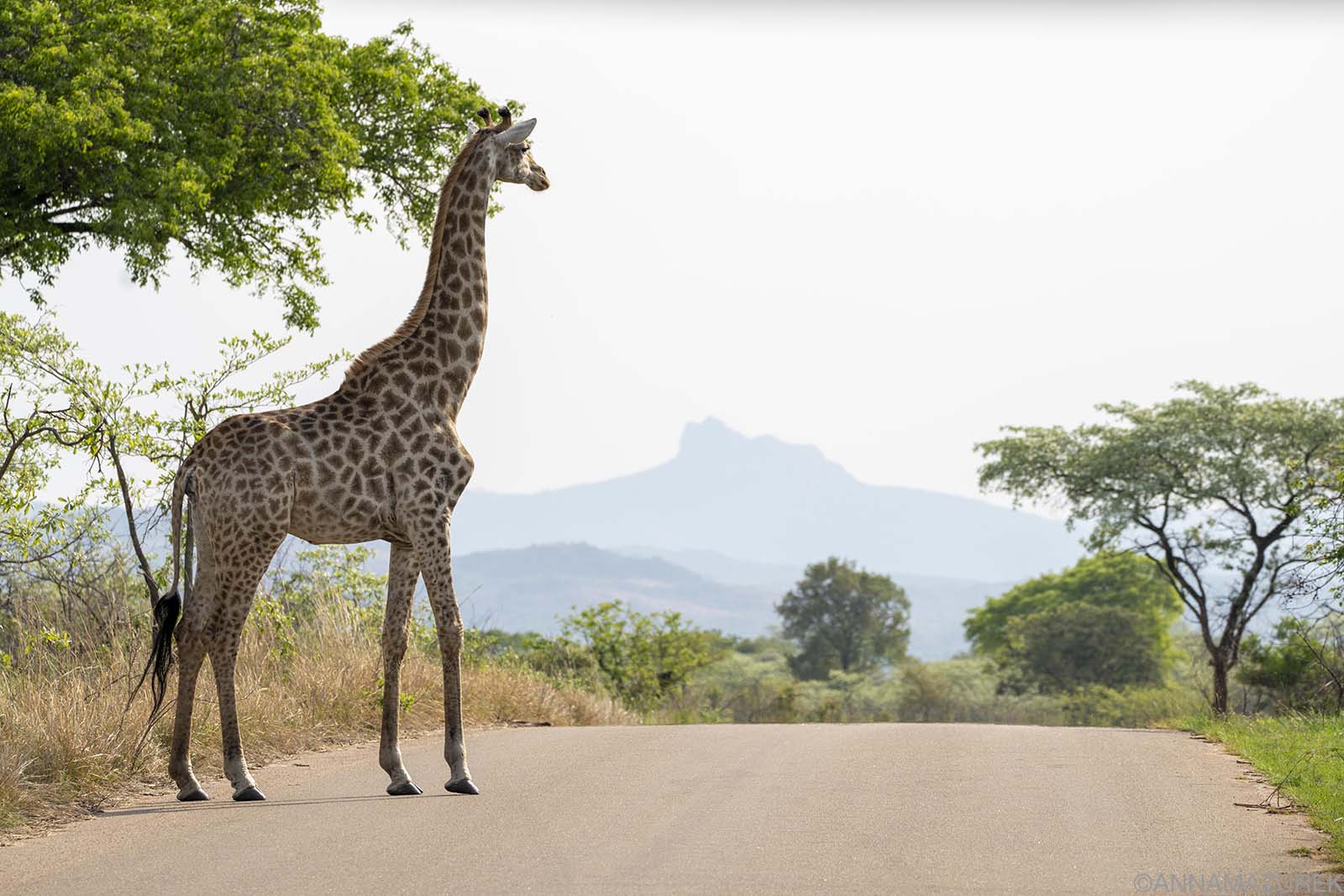 A giraffe walks across the road in the southern part of Kruger National Park.
We did a week-long safari by land from Johannesburg to Kruger National Park. We had 5G the entire time in Johannesburg and along the main interstate leaving the city. After that, service went back and forth between 5G and LTE. Becky was busy doing social media posts for work while we were driving with no issues. (We both used the CellSA 5 GB for 15 Days eSIM for the safari.)
Kruger National Park cut off all cell service in the park as part of anti-poaching measures, according to our guides. Occasionally, we had a little bit of service in rest stops (LTE) inside the park and near the entrance gates. (If you see a rhino, do NOT add the location of the photo because poachers use this information. Always wait to post rhino photos. You aren’t allowed to report rhino sightings.)
We spent most of our time in the southern portion of the park, entering at the Phalaborwa and Hazyview gates. Keep in mind that all the main gates are right beside towns with services, food and within cell phone range. I had a couple of bars of 5G in Hazyview, a town near one of the most popular gates. I did a speed test at our Hazyview hotel: 79.9 Mbps download and 4.82 Mbps upload. We also did a day tour along the Panorama Route, another mountainous area with several viewpoints and attractions near Kruger. I had LTE off and on the whole day.
Airalo in Namibia
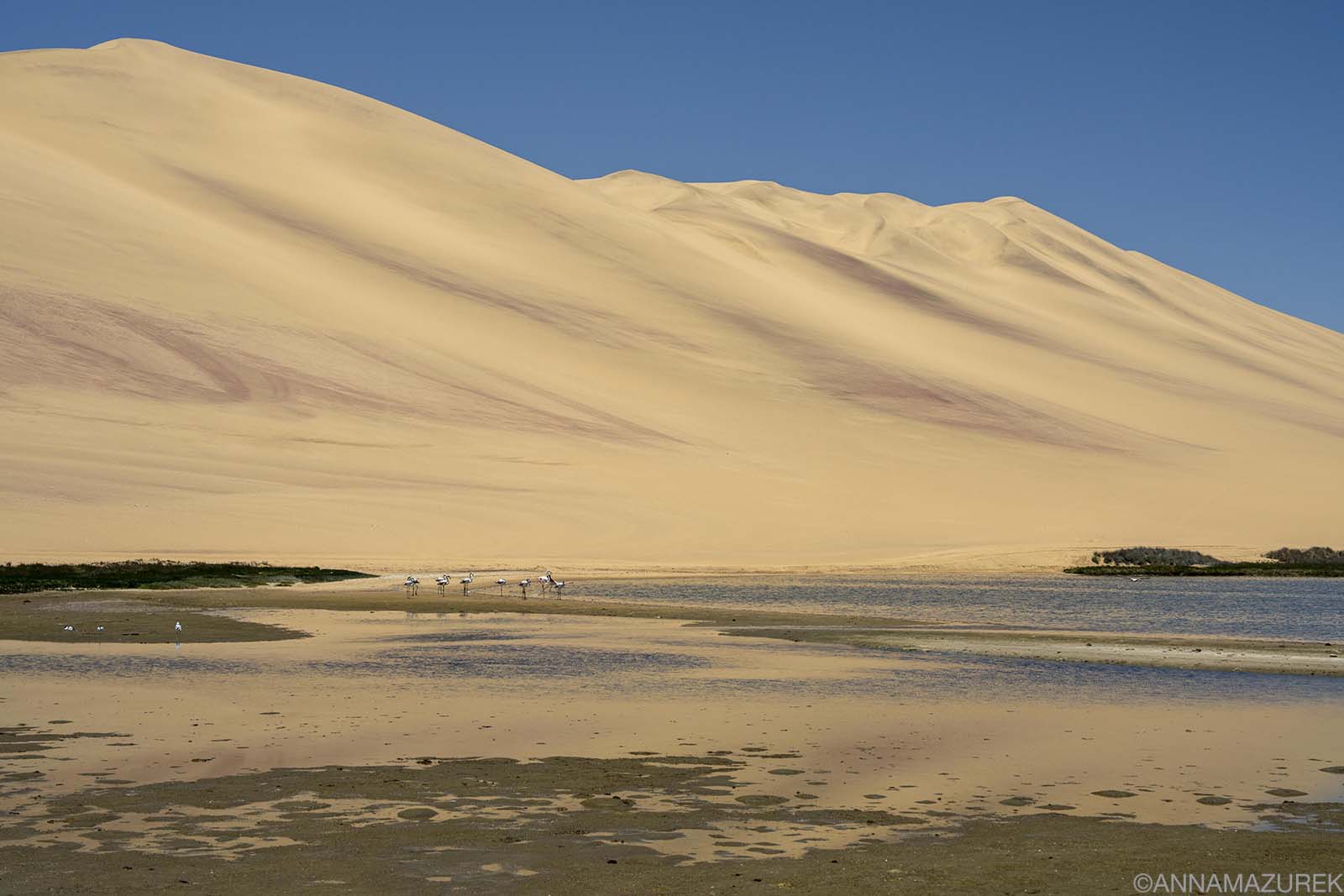 Flamingos and giant sand dunes in Sandwich Harbor along the coast of Namibia.
Locations Visited: Windhoek, Etosha National Park, Twyfelfontein, Spitzkoppe, Swakopmund, Sossusveli, Luderitz
Cellular Network: TN Mobile 3G
Is 5G supported? No
eSIM Used: Nama 1 GB for 3 Days ($9.50 USD)
Our next stop was Namibia, where we spent most of our time. We spent a week in Windhoek to chill, then did an 8-day safari by land through Botswana before flying back to chill for another week. (We had to catch up on work!) Then, our friend Rolando arrived, and we self-drove around Namibia in a 4X4 SUV.
When I landed at the Windhoek airport, I could not get my eSIM to connect. (I ended up buying an eSIM in the airport from the MTC network, which claims to cover 95% of the country, as a backup. The MTC eSIM had 5G and worked instantly. (MTC just launched eSIMs the month before we arrived!)
The airport is a good 30–45-minute drive from the city center, so I wanted service for safety. When I reached my hotel in the city center, I still couldn’t get my Arialo eSIM to connect. I spent an hour chatting with Airalo support in the app. After a lot of troubleshooting, the support representative said the network doesn’t have good coverage in Windhoek and refunded the cost.
I talked with other travelers who bought the same Airalo eSIM who had similar issues. One person told me they only had spotty service at the coast. Rolando was initially using Verizon’s international plan (he gets it free through work), but it didn’t work anywhere in Namibia either. He ended up getting an MTC eSIM as well.
Every local we met said MTC had the best coverage in the country. We found that we only had service in cities or big tourist areas and were without coverage for long expanses of our drives. I disagree about MTC’s claims about covering 95% of the country because it seemed sparse outside of cities.
Based on my experience, Airalo should be partnering with MTC. I got the impression that the network wasn’t open to partnering with others since Verizon also didn’t work there.
For safety reasons, you NEED cell phone coverage if you are self-driving in Namibia. I would advise everyone to buy MTC as a safety backup, even if your eSIM works when you arrive. Consider even getting or renting a GPS phone as a backup. We had some car trouble about 20 minutes out of Swakopmund and had just enough bars to WhatsApp our rental car company, who sent us help. MTC also came in handy because it came with a local phone number.
It would be helpful if Airalo had coverage maps for eSIM card plans or clearly stated if they didn’t cover popular cities or regions.
Airalo in Botswana
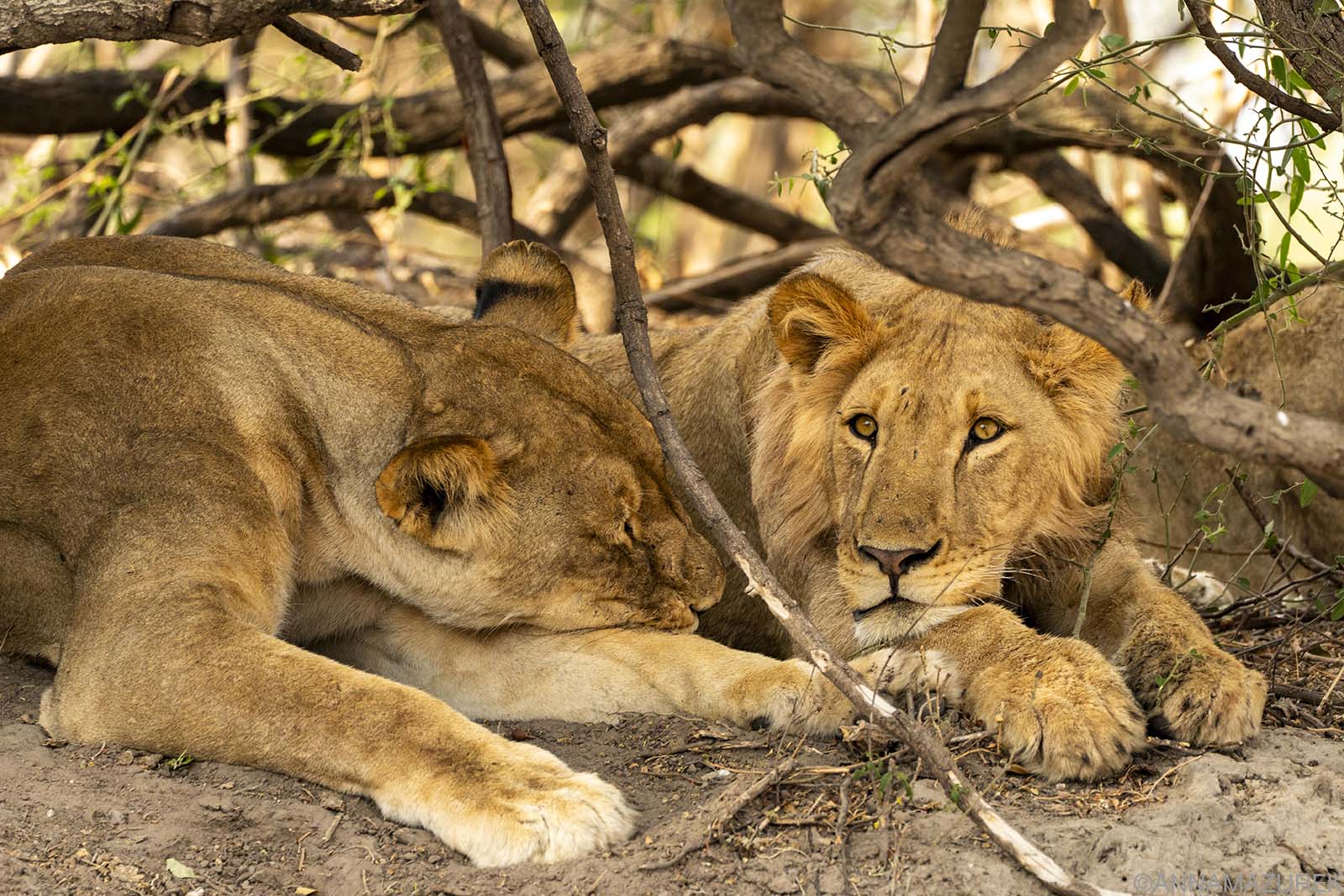 Lions sleeping under a tree after a big meal in Chobe National Park in northwestern Botswana.
Locations Visited: Ghanzi, Maun, Okavango Delta, Nata, Chobe National Park
Cellular Network: Mascom 4G
Is 5G supported? No
eSIM Used: Maun Telecom 3 GB for 7 Days ($23 USD)
We did a weeklong safari by land through Botswana that started in Windhoek, Namibia and ended in Victoria Falls, crossing the northern portion of the country. We drove through Ghanzi, Maun and headed north at Nata along the Zimbabwe border to Chobe National Park. For context, it’s important to keep in mind that over 40% of the land in Botswana is national parks and game reserves. It’s a very rural country, so I didn’t expect much service but was pleasantly surprised!
Once we crossed the border from Namibia, my eSIM connected almost instantly. I turned on roaming then turned airplane mode on/off and got 4G service. (The network showed up as 652 01 4G, which Airalo support says happens on the edges of service range.) I had full bars of 4G at a Charles Hill gas station at a crossroads just a few kilometers from the border.
I was able to load Instagram, download offline maps and surf the web. The Ookla Speed test app said the speed was 14.7 Mbps download and 8.65 Mbps upload. Once we started driving between towns, there was no service as expected.
Our safari guide said service is spotty even with a physical local SIM card. He said Orange and Mas Com (Airalo partner network) were the best networks, but one is often stronger in one place than the other.
I had 4G in Ghanzi and spotty 3G on route to Maun, the gateway to the Okavango Delta. I had full bars of 4G in Maun with 11.5 Mbps download and 6.79 Mbps upload. While this isn’t lightning fast, we had no issues with navigation, scrolling the web, email and browsing social media.
Our visit to the Okavango Delta coincided with the World Series and the epic 18-inning game between Toronto and Los Angeles. As we were driving into the delta in a safari jeep, we were constantly checking the score for our friend, a Blue Jays fan who didn’t have an eSIM card. We got the final score right before we hit the dirt road and lost service. An epic win for our eSIM card! We had no service in the delta until we got back on the same paved road.
On the paved road that paralleled the Zimbabwe border, we had 4G service along with service on a Chobe River boat cruise. We never had service while on safari in Chobe National Park, even though we paralleled the river where were had been on the boat. The 3GB plan lasted me the entire week.
Airalo in Zimbabwe
 Victoria Falls photographed from Zimbabwe.
Locations Visited: Victoria Falls
Cellular Network: Telecell 4G
Is 5G supported? No
eSIM Used: Zimcom 1 GB for 3 Days ($19 USD)
We wrapped up our safari in Victoria Falls, our only destination in Zimbabwe, for two nights. The Zimcom 1 GB for 3 Days was the only eSIM card option for the country, which made me skeptical about coverage. It did not work, and I contacted support again. To save time, I immediately asked the support team if Victoria Falls was covered by the eSIM. (Since I spent an hour with support in Namibia for the same issue, I wanted to avoid wasting time troubleshooting.) As I suspected, it didn’t work because Victoria Falls wasn’t covered by the partner network. I’ve seen other eSIM card companies clearly state that Victoria Falls wasn’t covered, and I wish Airalo did this or provided a coverage map on the website/app.
Airalo support gave me a refund again since the eSIM was not used but made it sound like it was an exception because we hadn’t fully troubleshooted anything. Why troubleshoot if the location isn’t covered?
Our safari guide said that Econet was the best network in Zimbabwe. Also, there’s a good chance Airalo works fine in the rest of the country but just not in Victoria Falls, which is the only location I we visited.
Airalo in Zambia
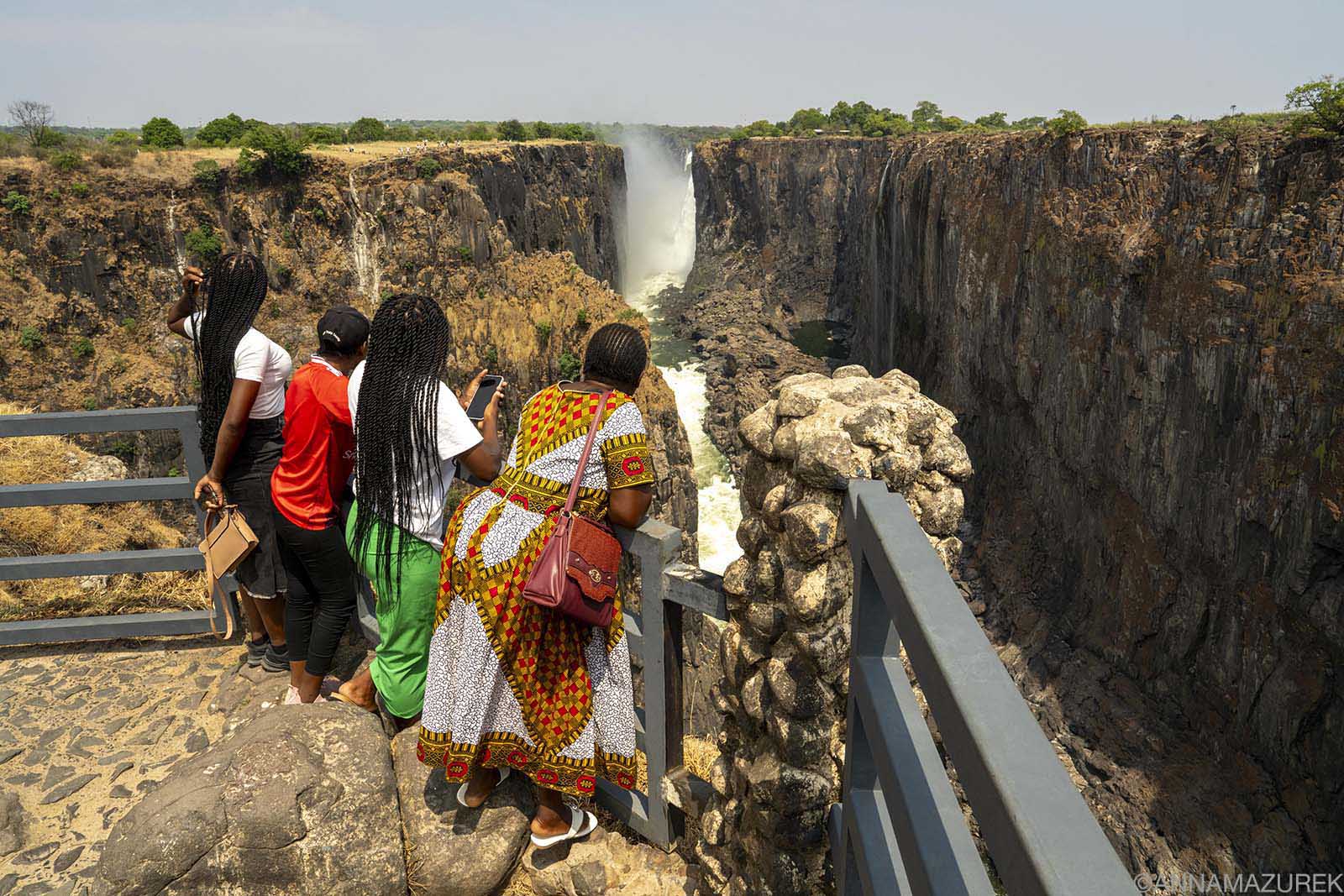 One of the viewpoints along the Zambian side of Victoria Falls.
Locations Visited: Victoria Falls & Livingstone
Cellular Network: Airtel 5G
Is 5G supported? Yes
eSIM Used: Kafue Mobile 1 GB for 3 Days ($7.50 USD)
Victoria Falls lays on the border of Zambia and Zimbabwe. The falls are on the Zambia side, but the views are often best from the Zimbabwe side. Depending on your passport, you can get a dual entry visa that allows you to cross into Zambia. We ended up doing a day trip to see the falls from the Zambian side and took a taxi (12 kilometers) to the town of Livingstone. The day before, I’d reached out to see if either Livingstone or Vic Falls was covered and was told coverage was limited. This didn’t give me high hopes, but I thought I’d try it anyway with the cheapest eSIM option.
As I suspected, it never worked. The app did show that I’d used a very small portion of data, but I never had any coverage during the trip.
When I got back to my hotel WIFI in Zimbabwe, I contacted Airalo support via WhatsApp this time, which I highly recommend over the in-app chat option that I’d used previously. (If the chat times out, it circles you back to the AI bot. If the AI bot isn’t helpful, I just ask for a person, and it connects me.) They did give me a refund but only after going through the laborious troubleshooting process of changing settings and sending screenshots. (While I understand the process, it seemed silly to do this even though I had left the country already.) It was generous of them to give me the refund even though the app showed I’d used a tiny bit of data. I honestly wasn’t expecting a refund!
Airalo in Southern Africa Summary
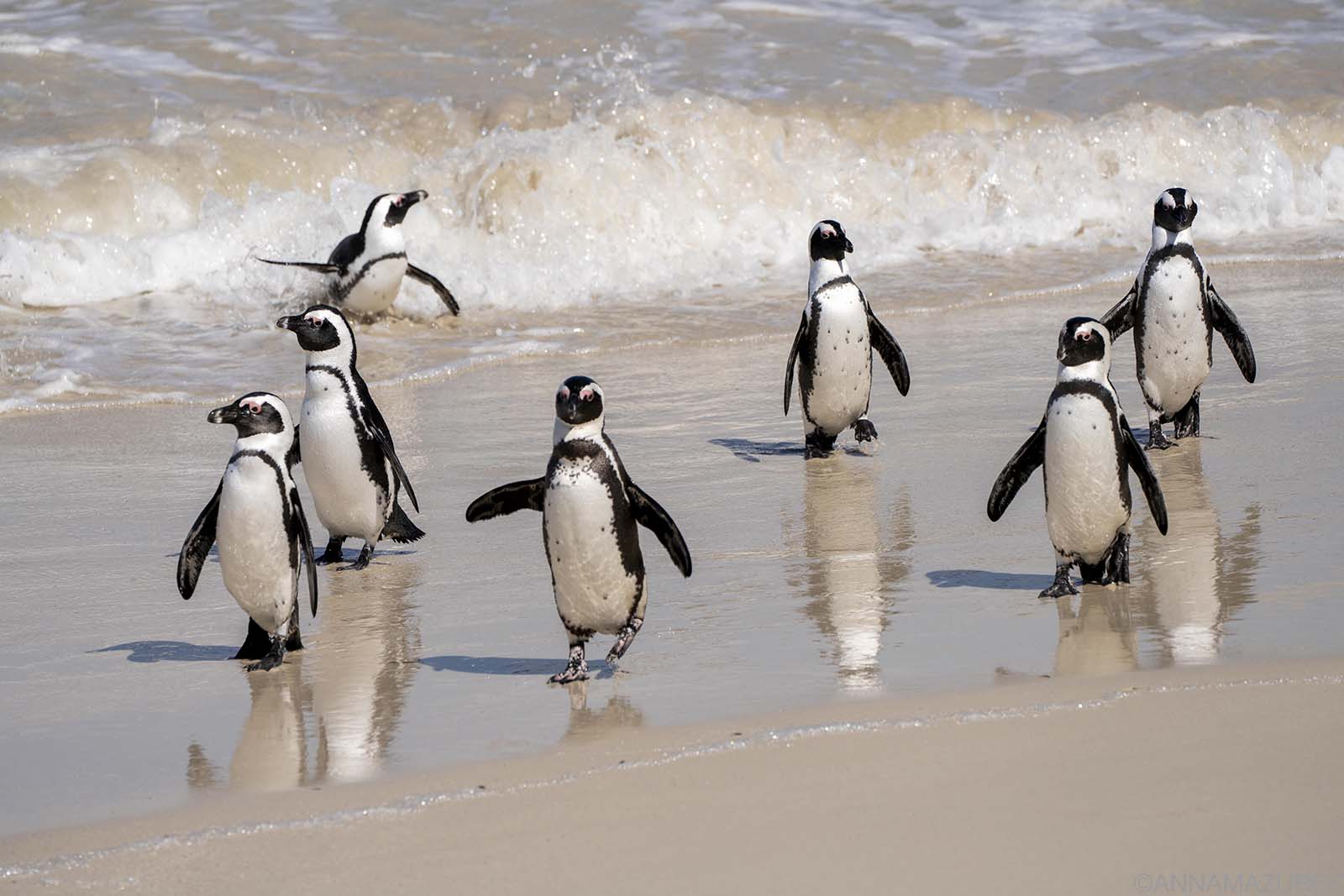 African penguins in Boulders Beach near Cape Town.
eSIM cards are only as good as the cellular network they partner with, and Africa is a new and developing market for the industry. I had an excellent experience with Airalo eSIMs in South Africa and Botswana. I had no issues uploading to social media, checking email, using Google Maps for navigation and even hotspot to my computer to work with no major issues.
For Namibia, the only option is getting a local MTC eSIM card when arriving because they have the best network. I don’t know of any eSIM company partnering with the network. Since Airalo’s partner network doesn’t cover the Victoria Falls area in either Zimbabwe and Zambia, I’d focus on finding a network that has coverage there. This likely means buying an eSIM upon arrival.
If you’re going to be traveling in a remote area, research the best cellular network and find the eSIM plan that uses that network. If you can’t find a company that partners with that network, wait until you arrive to buy a local eSIM card. For safety, download offline maps before arriving as a backup for navigation. Since Airalo’s customer support is great at giving refunds for unused eSIMs, I never hesitate to buy one of its eSIMs to try in any country. I always do this as a backup and would recommend doing the same.
We were concerned about the availability of eSIM cards locally in Southern Africa and even brought our old iPhones with physical SIM trays, which we didn’t need. Before our Southern Africa trip, Becky was in Egypt using Airalo with no issues. (She tried to get a local eSIM, but it was such a hassle that she just bought Airalo and loved it.)
Again, I highly recommend Airalo’s South Africa and Botswana. I only used local country-specific eSIMs because they were cheaper than buying the regional Africa eSIM, which covers both countries. To save money on Airalo eSIMs, always use the promo code AIRALOESIM10 to save 10% on every purchase. (To save 15% off your first purchase, use code NEWTOAIRALO15.)
12 Best Travel Gifts for the Holidays 2025, According to a Full-time Traveler
 Alfred the Gnome loves being part of my annual travel gift guide!
Every year, I compile a list of my favorite travel items that I’ve recently discovered that make my adventures easier, more comfortable or stylish. Several of these were suggestions from friends and other travelers that I’ve added to my packing list.
This year’s theme was AFRICA—I’m wrapping up a two-month trip of traveling and working remotely from Southern Africa. This trip took over a year of planning and days of packing.
Here are 12 of the best travel gifts (big, small and silly!) for the holidays to help you find the perfect gifts for friends and family. Feel free to add these to your own Christmas list before you send it to Santa!
Affiliate links are used in this post. If you make a purchase, I earn a small commission at no cost to you, which helps cover blog maintenance costs. I appreciate your support!
Ozlo Sleepbuds
 Ozlo’s comfortable all-night Sleepbuds help me survive long flights.
These noise-canceling sleep earbuds are the best on the market—supurb noise canceling and a flat-profile for side sleepers. It’s no wonder Ozlo Sleepbuds were named Time Magazine’s best inventions of 2025. Three ex-Bose employees got together to resurrect Boise’s discontinued sleep buds. (The two friends I’m traveling with in Africa now have sworn by the Boise ones for years, which piqued my interest.)
As a side sleeper, I’ve always struggled with earbuds—my AirPod Pros are too uncomfortable to sleep with and fall out of my ears too easily. (I tried a cheaper pair of the Anker ones that lack noise cancellation, which I ended up selling on eBay.) The Ozlo’s stay snug in my ear all night and make it much easier to sleep on my side. I love using these on flights to block out the noise without having to worry about them falling out of my ear, an endless issue with my AirPods Pro. The noise-canceling ability is just as good if not better than my AirPods.
While I still prefer to sleep sans earbuds, these comfy silicon ones have been a lifesaver on my travels. They are pricey ($299) but worth it. (They are usually $249 on Amazon.)
Peak Design’s New Minimalists Straps &
Roller Carry-Ons
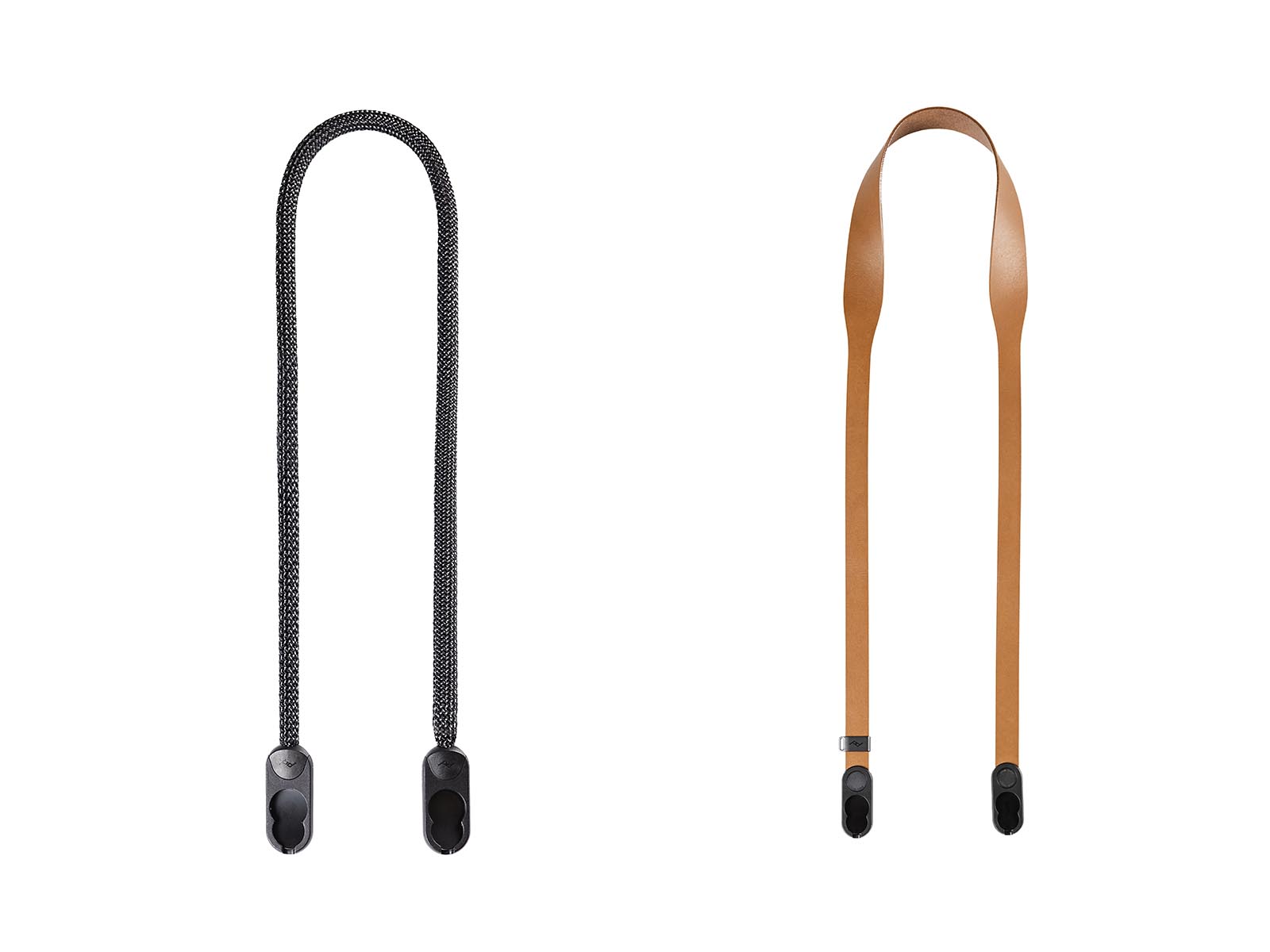 Peak Design’s new low-profile, minimalist form straps come in both rope (right) and leather (right) styles. Photo courtesy of Peak Design.
Peak Design makes the list every year because it makes my favorite travel and photography essentials. I’m currently in Africa traveling for two months with the Peak Design slide camera straps, lightweight travel tripod, iPhone case, car mount and travel backpack.
One of the simplest accessories has been a game-changer for this Africa trip—the magnetic mobile wallet that attaches to the back of my phone. Due to safety concerns, I wanted a minimal wallet for this trip—I can slip the wallet in a pocket if needed or keep it attached to my phone. I’ve literally used it daily for the past month. It fits two cards and a few cash bills rolled up. (I keep the rest of my cards separate for safety.)
Their new arrivals are amazing—the Roller Pro Carry-ons, and the new low-profile, minimalist form straps in both leather and rope. Peak Design only does one sale every year on Black Friday, so act fast. All products are on sale up to 30 percent off!
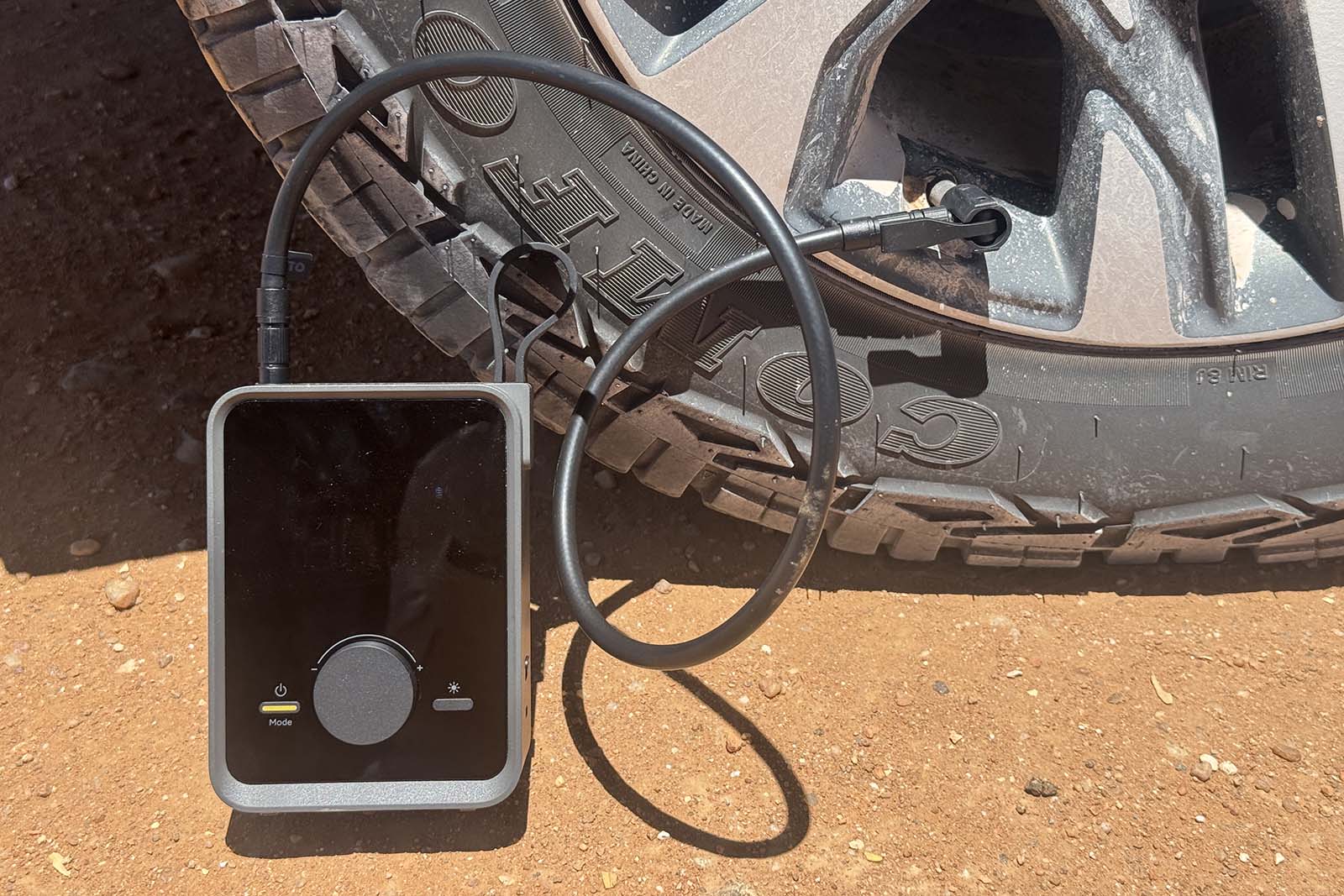 Hoto’s line of portable air compressors are perfect for both domestic and internatoinal travel.
Last week, my friends and I were road tripping around Namibia mostly on unpaved washboard roads. When our back tire was low, this handy portable air compressor saved us. Plus, it has an auto-stop feature making it a breeze to use. It took no time to fill up the tire and get us back on the road. It works for cars, motorcycles, bikes and balls. (Our rental car company has given us a gargantuan air compressor to use but this was much more convenient. And it didn’t evolve unpacking the entire car!)
It also has three inflation units: kPa, psi, and bar. This is handy for international travel because the U.S. uses psi and Namibia uses bar. The model we used is only $69 on Amazon during the Black Friday sales!
The Foldie® Travel Bag
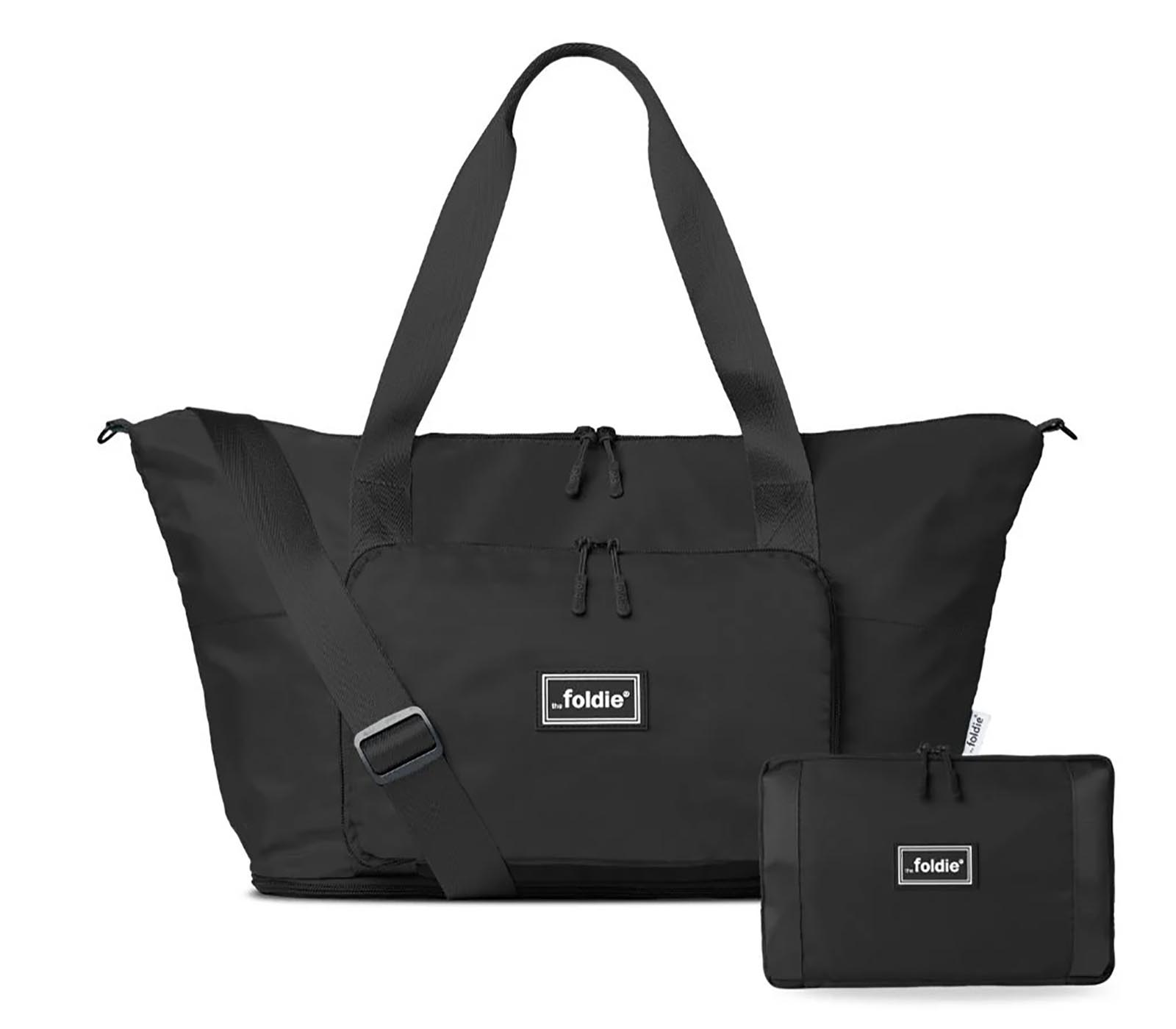 The Foldie Travel Bag zips up into a small pouch making it easy to pack! Photo courtesy of The Foldie.
My sister gave me one of The Foldie® Travel Bags, and I absolutely love it. This 40-liter zippered, water-resistant travel bag folds flat in a pouch. I keep this in my rolling carry-on suitcase, so if I’m forced to check my roller bag, I put my electronics in this as a backup.
I’ve also used it as a weekend bag, a carry-on and used it on the bus on my Africa trip recently. There’s an inside zippered pocket for wet items like swimsuits and a zippered bottom expansion. Keep an eye out for their BOGO Black Friday sale!
Patagonia Terrebonne Joggers
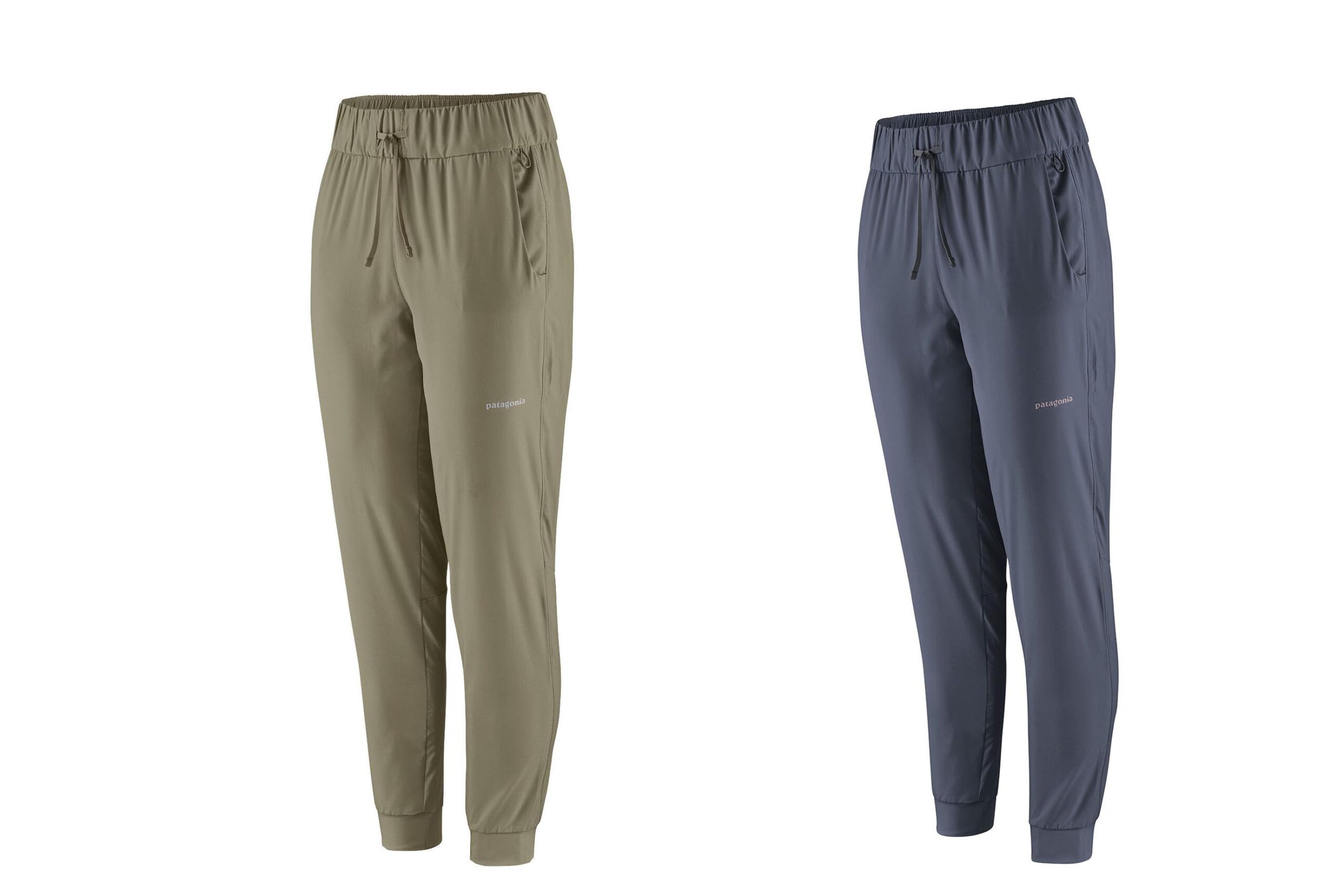 Patagonia Terrebonne Joggers come in four colors in both men’s and women’s sizes. Photo courtesy of REI.com.
I’ve been on the hunt for lightweight travel pants for hot, humid climates with no luck until I found these Patagonia Terrebonne Joggers, which are available in both men’s and women’s sizes. These are lightweight, breathable, quick drying and stretchy. And, perfect for plane rides and wandering around a new city. The joggers came in four colors, but I’m loving the black. Available at Patagonia.com and REI.
Sawyer Picaridin Insect Repellent
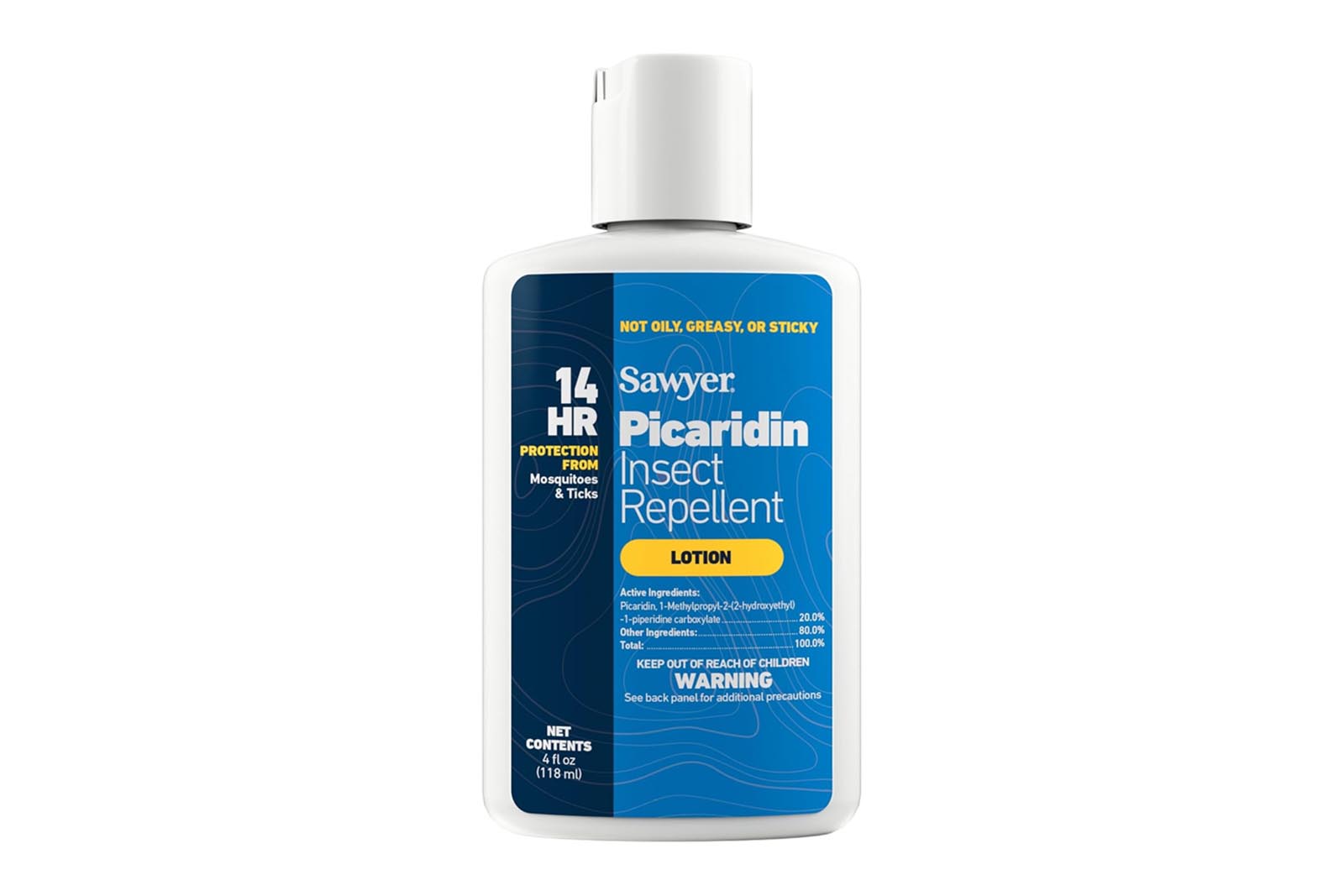 Sawyer’s picaridin insect repellent comes in both spray and lotion forms. Photo courtesy of Sawyer.
While this isn’t a sexy holiday gift, it’s a very useful one. I’ve always been a DEET-hater because it stinks, ruins clothing and melts flipflops. Now, I use the Sawyer brand of picaridin, which is approved by the EPA and is safe for use on clothing. It also smells much milder than the cough-inducing DEET. I’ve found Picaridin to work better than DEET for ticks. It’s been great on my last two safaris in Kruger National Park and Botswana.
The Sawyer brand is available at REI and Amazon in spray and lotion form. I’ve also been using the Sawyer MINI water filter on this trip for filtering water for extra safety. The brand also has a line of soft collapsible bottles that attach to the filters.
Chipolo Bluetooth Trackers
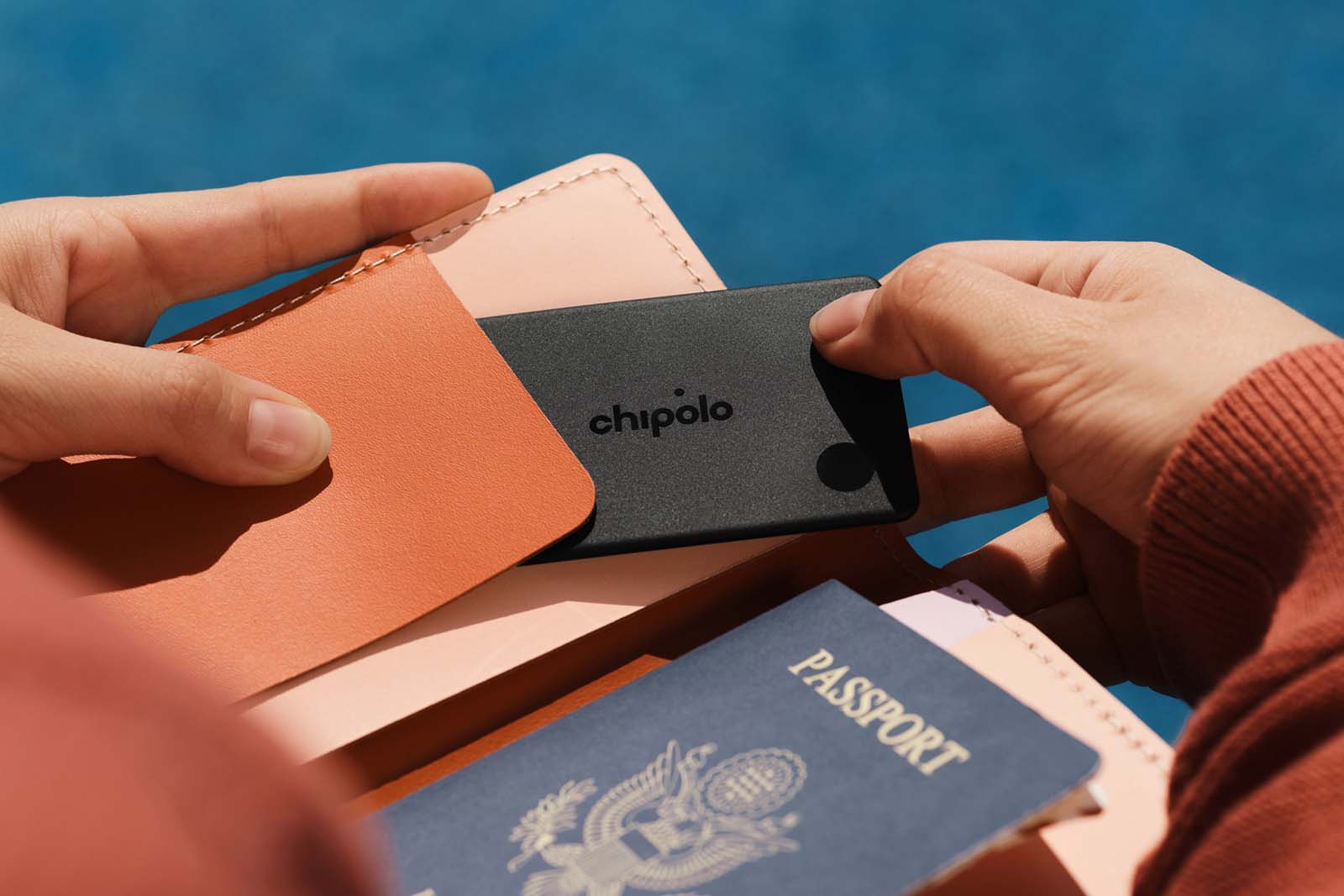 Chipolo Bluetooth trackers include a credit-card shaped wallet tracker to colorful round trackers that easily attach to luggage and key chains. Photo courtesy of Chipolo.
My travel buddy Rolando is the biggest source of my favorite travel gear. He just introduced me to Chipolo bluetooth trackers, a colorful version of an AirTag that’s easier to attach to items. I love the credit-card-shaped wallet tracker the most.
The other two products include the cheerful Chipolo POP and LOOP designs. These work with Apple’s Find My and Android’s Find Hub networks. I also love that these are made in Europe, not China.
Incense Matches
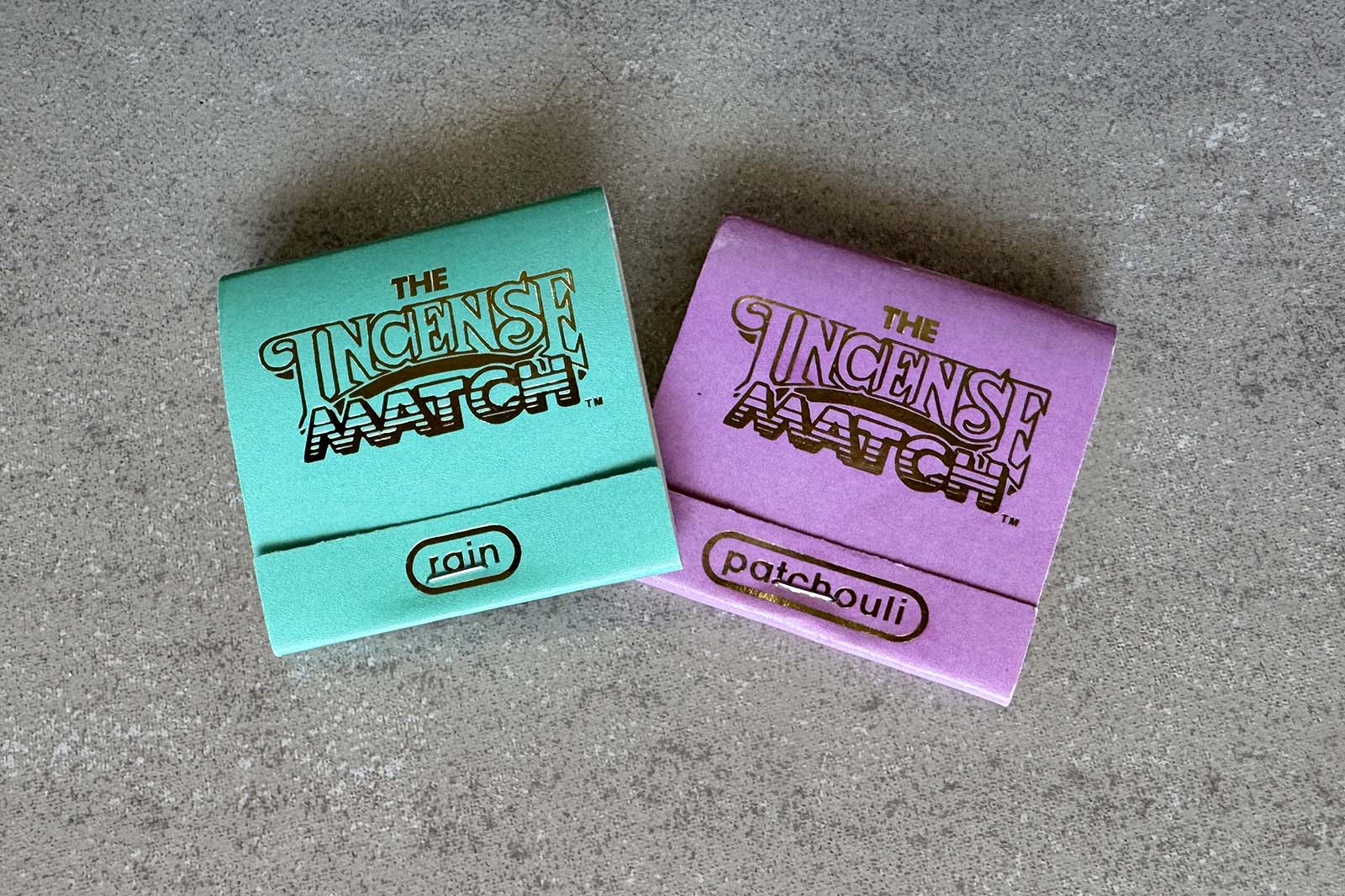 Incense matches come in a variety of scents to keep your travels smelling fresh.
If you’re looking for a funny stocking stuffer, try Incense Matches for eliminating bathroom odors while traveling. These incense-infused matches have a two-to-four-minute burn time with a lasting scent. The matches are made by a family-run company based in the U.S. This is yet another great and hilarious find from Rolando.
Ridge Magnetic Power Banks
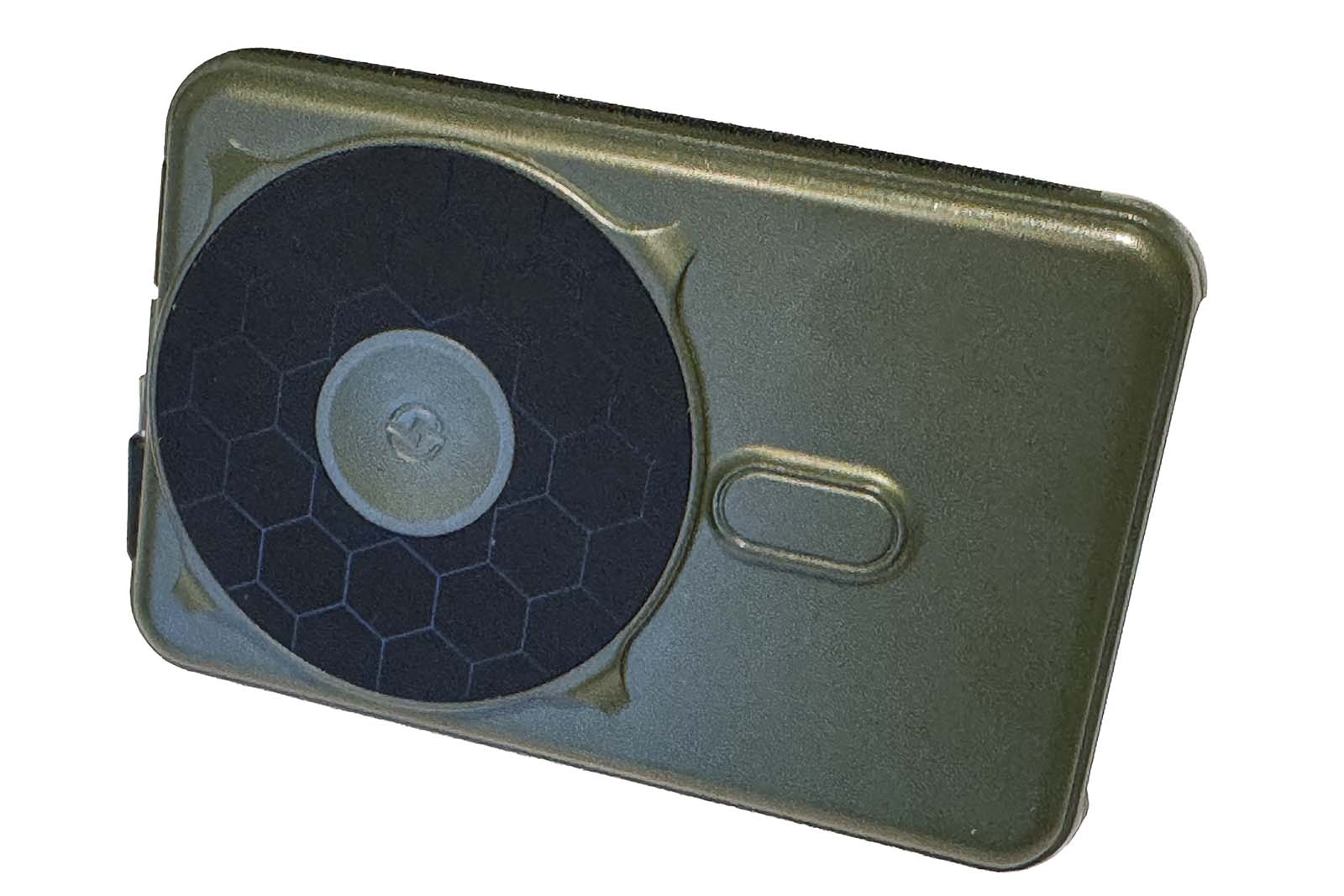 Ridge power banks have a built-in kickstand that’s perfect to use on long flights.
The sleek Ridge power bank is the Swiss Army knife of portable chargers with a 5-in-1 power solution. With 10 MAH, it offers three smartphone recharges and a fast 20W charge for USB-C. It’s also compatible with MagSafe® items, including the Apple Watch. The built-in kickstand is perfect for streaming shows on long flights.
Uniqlo AIRism
I’m a hardcore fan of Uniqlo, the Japanese clothing brand that has brick-and-mortar stores in large cities across the globe. (You can buy online in the U.S. easily if you don’t live near one.) I’m loving this AIRism tank ($15) I bought earlier this year—it’s cool moisture-wicking. It’s a great underlayer in the heat. Uniqlo has AIRism clothing from tanks to jackets in both men’s and women’s styles. It’s all very affordable.
Gymshark Athletic Wear
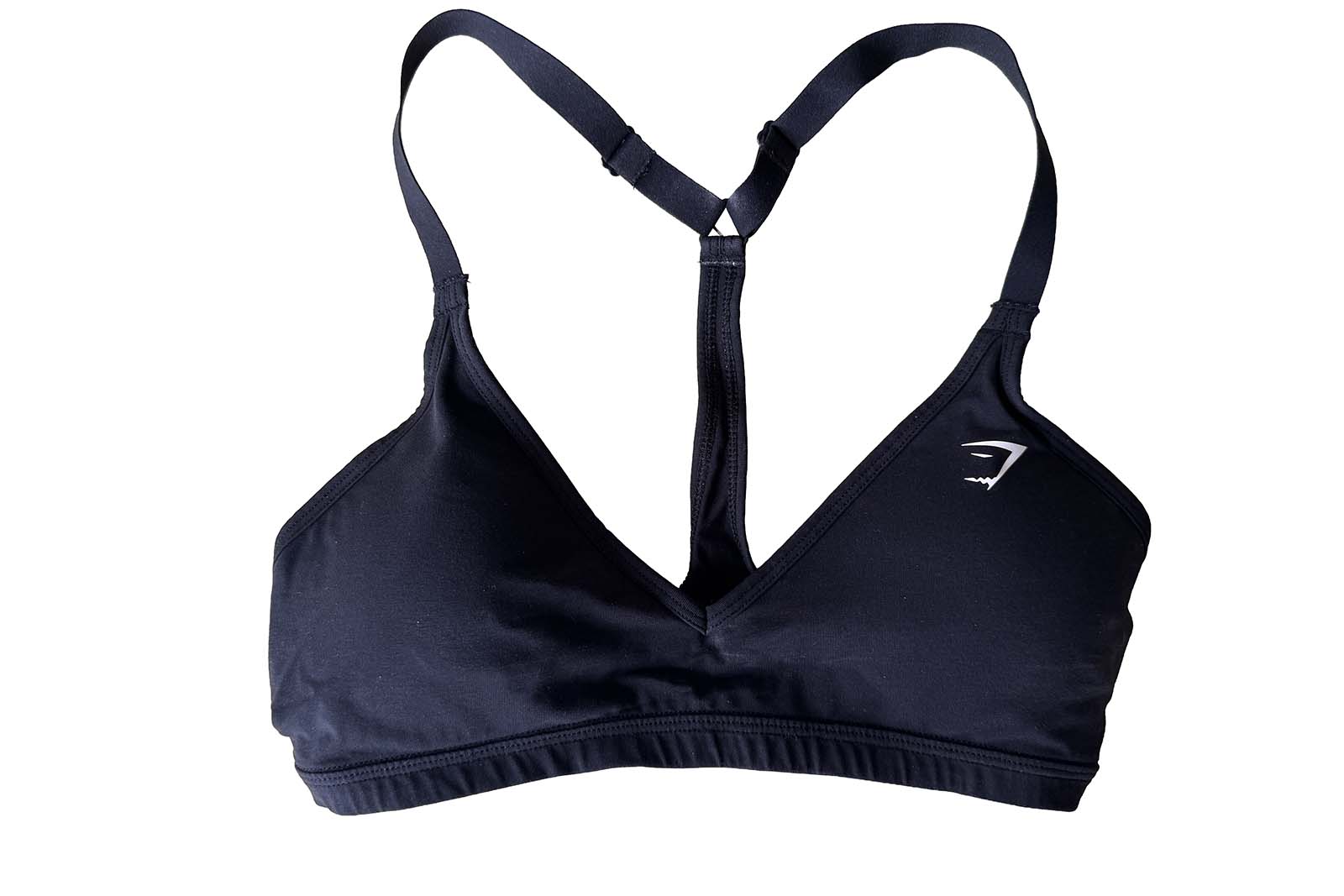 GymShark’s cotton razorback sports bras are my favorite for travel.
All the girls at my Muay Thai gym in Chiang Mai have been wearing GymShark, the British athletic brand. (They sell both men’s and women’s apparel. You can buy things easily online in the U.S. with free shipping and returns.) I’m in love with their cotton razorback sports bras and tights. FYI—the bras run small, so I’ve had to buy a small or even a medium in some styles despite normally wearing an XS.
Sony 100-400 mm Lens
 I’m currently traveling with a Sony FE 100-400mm f/4.5-5.6 GM OSS lens and two Sony ar7v camera bodies.
I switched to Sony from Nikon just over a year ago, which was life-changing because Sony’s gear is lighter weight. (The weight of my gear has been my biggest struggle, and my back is so much happier now!) For this trip, I bought a used Sony FE 100-400mm f/4.5-5.6 GM OSS for wildlife photography. It’s now my favorite lens. While I love my 70-200 f/2.8, I love having the extra range of the 100-400.
I find I’m too shaky with heavier lenses to get my images as sharp as I’d like, so this lens is the happy medium. I’ll be sharing some of my favorite safari images next month in my annual post of my favorite images of the year!
Airalo Review for Country-Hopping in the Balkans: Staying Connected from Greece to Montenegro
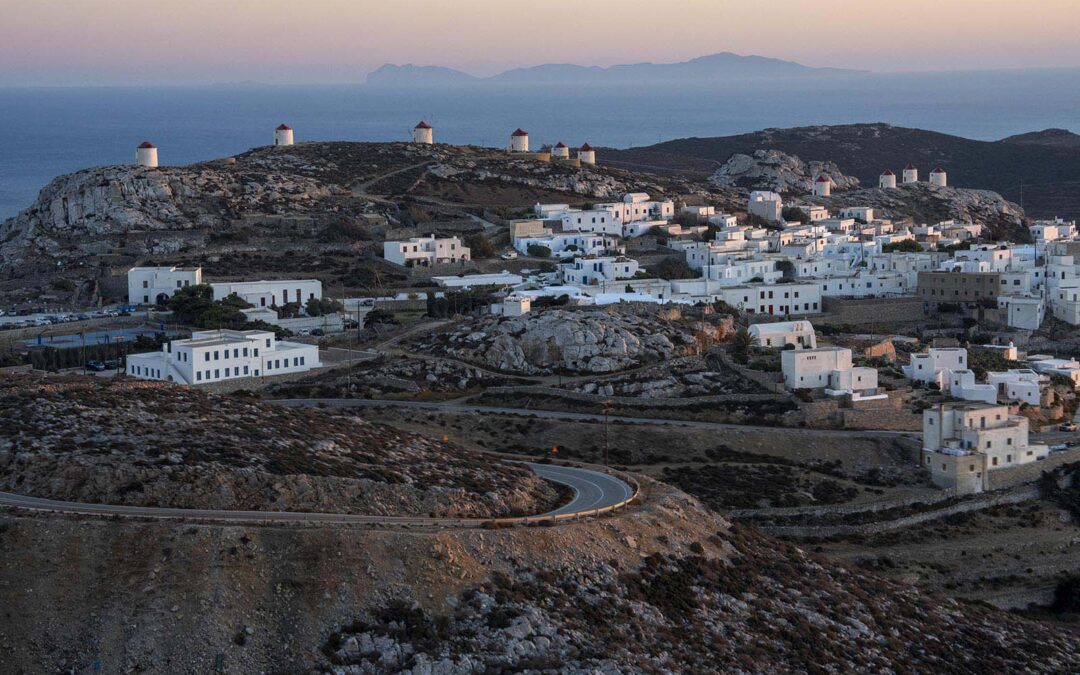
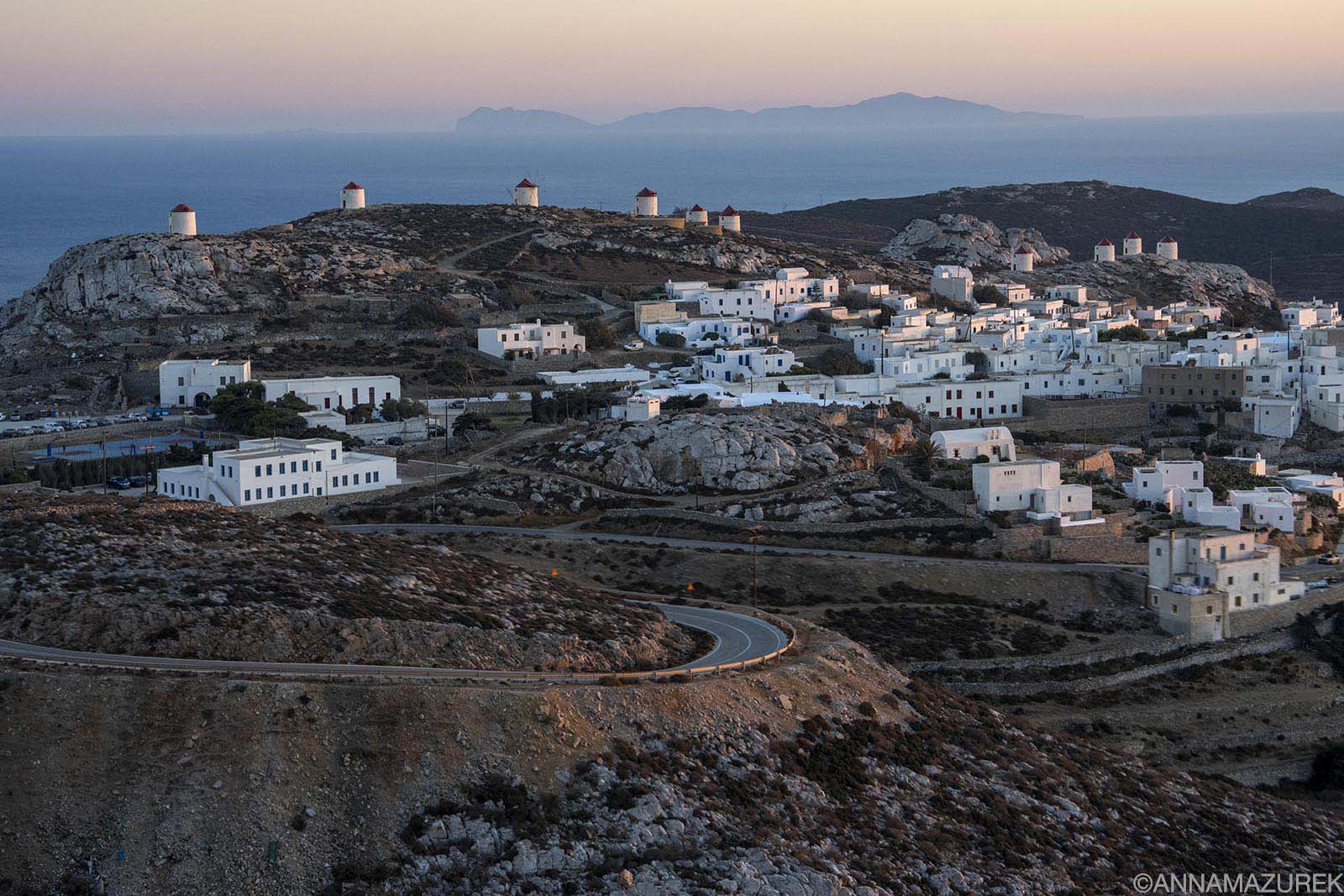 I spent two weeks on Amorgos, my favorite Greek island, with excellent cell service across the majority of the island.
When I first switched to an eSIM-only iPhone, I was extremely hesitant because I travel full-time and need to be connected to be able to work. Now, eSIMs have made my life tremendously easier—I’ve even written about the pros and cons of eSIM cards.
While I’ve tried other brands, I tend to default to Canadian-based Airalo because they are the world’s oldest eSIM store, founded in 2019. (After Apple announced its eSIM-only phone in 2018, Airalo CEO Ahmet Bahadir Ozdemir jumped on the opportunity, drawing from his experience as a maritime industry supplier where he got continuous requests for SIM cards.)
I recently spent two months (Aug. 8 to Oct. 7, 2025) in Europe, hopping between E.U. and non-E.U. nations using Airalo eSIM cards. (I always use promo code AIRALOESIM10 to save 10% on every purchase. This, paired with Airalo’s cashback loyalty program, often makes it cheaper than other brands.)
One of my freelance gigs is working for a travel company for a couple of months each year. In the past, this meant buying new SIM cards in each place or buying an EU SIM card and not having service for a few days in non-EU countries. This was my first time working in this region only using eSIM cards, so I thought it was a perfect time to write an Europe Airalo review about my seamless experience country-hopping.
Countries Visited: Greece, Albania, Montenegro and Croatia
Usage: WhatsApp for texts, calls and audio messages, navigation apps, uploading video/photos to social media, and using the hotspot to connect to a computer.
Promo Codes: NEWTOAIRALO15 for 15% off your first purchase. Existing users can save 10% with AIRALOESIM10.
AFFILIATE DISCLOSURE: This is a sponsored post with affiliate links. All opinions are my own. If you make a purchase, I earn a small commission at no cost to you, which goes toward blog maintenance costs. I only recommend products and companies I truly love and use.
Airalo in Greece
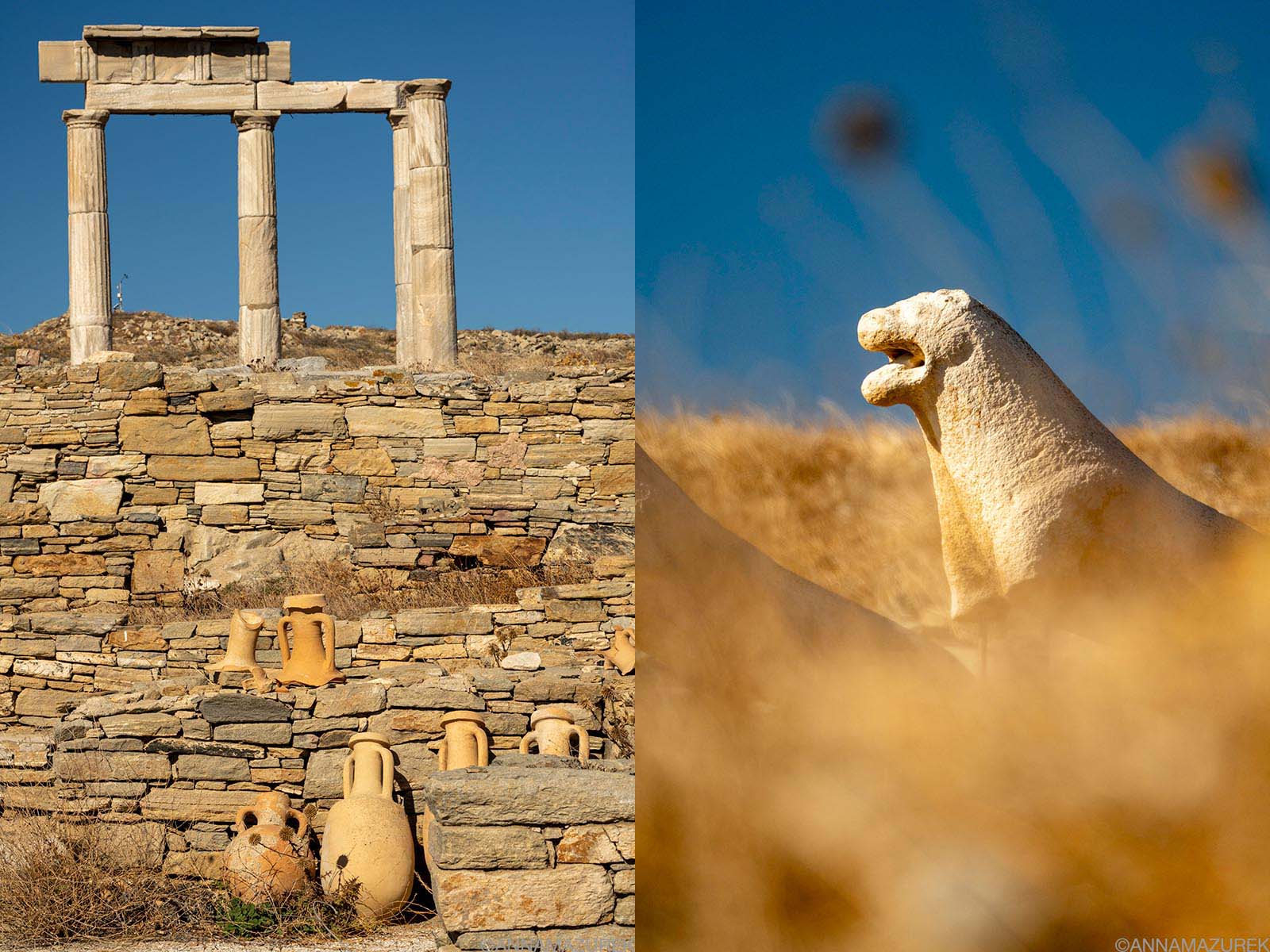 I had great cell service with Airalo on the uninhabited island of Delos, an expansive archeological site near Mykonos.
Locations Visited: Athens, Olympia, Corfu, Cyclades (Santorini, Naxos, Milos, Amorgos, Tinos, Sifnos, Delos)
Cellular Network: WIND HELLAS (Nova) 5G
Is 5G supported? Yes
eSIM Used: Eurolink 10 GB for 30 Days ($37) & Greece Meraki Mobile 10 GB for 30 days $20
I kicked off my trip in Athens in early August for a few nights before sailing around the Peloponnese peninsula to Olympia, then on to Vathy and Corfu before heading north to Albania. Then, I flew back to Athens in early September and stayed in Greece until early October. I started in Athens again, then sailed around the Cyclades for two weeks before taking a ferry to Amorgos, my favorite island, to relax for two weeks. After returning to Athens, I drove to Corinth to visit the ruins and Acrocornith on the eastern side of the Peloponnese peninsula.
I had 5G service in most places, even in portions of Amorgos, which was a bit shocking considering how remote the island is compared to others. My main uses were social media (Instagram, Facebook, etc.), email, driving navigation maps and communication via WhatsApp. I had a lot of long bus drives where I just browsed the internet and cleaned out my email account. I also used it to hotspot to my computer, so I could work. The connection was almost always faster than the local WIFI in most places I stayed.
The only place I had service issues was the tourist hub of Oia on the island of Santorini. I’ve had similar issues there in past years with physical SIM cards. I’ve always had spotty LTE service, which could be a combination of crowds and narrow streets between the buildings. (To be honest, skip Oia—it’s overrated and crowded.) The archeological site of Akrotiri, a village destroyed by volcanic ash 1,500 years before Pompeii, is the island’s best attraction and less crowded. There’s always been limited service inside the archeological site (even with regular SIM cards) due to the metal roofs and concrete walls.
On my seven-hour ferry back to Athens from Amorgos, we stopped at several different islands, so I started doing speed tests of the cell service using Google’s speed test option. (It tends to show slower speeds than using one of the speed test apps.) Keep in mind, I was sitting on the ferry as I ran these tests and had no issues browsing the web while in port.
Milos: 163 Mbps download, 7.76 Mbps upload
Serifos: 74 Mbps download, 25.5 Mbps upload
Folegandros: 91.7 Mbps download, 8.63 Mbps upload
Athens’ airport lounge: 147.8 Mbps download, 9.34 Mbps upload
The 10 GB Europe package lasted the entire month. For safety, I’d bought a 10 GB top-up package that I didn’t need. After a 20-minute chat with support, they refunded it because it was unused.
Airalo in Albania and Montenegro
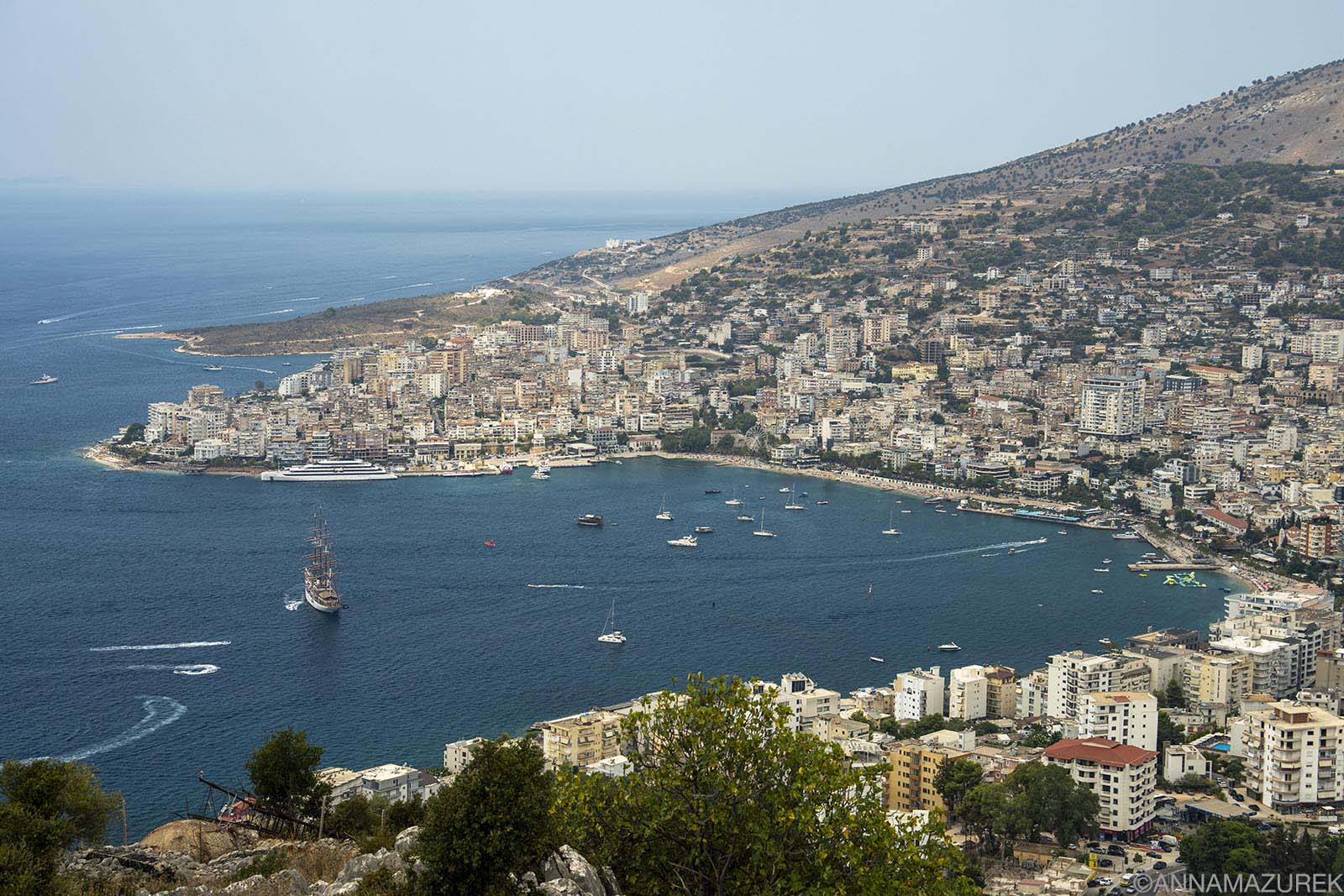 My Airalo eSIM Europe regional eSIMs worked seamlessly as I sailed from Greece to Sarandë, Albania (above).
Locations Visited: Albania (Durrës, Sarandë, Butrint, Kruja); Montenegro (Kotor, Persat)
Cellular Network: Albania: Vodafone LTE; Montenegro: MTEL (LTE)
Is 5G supported? No.
eSIMs Used: Eurolink 10 GB for 30 Days ($37)
The best thing about the Airalo Europe regional eSIM is that it works in non-EU nations! (Kosovo was the only location in the Balkans that’s not covered.) In the past, my physical EU SIM cards would not work in Albania or Montenegro. This time, it was a completely seamless process; I had service instantly upon arrival. I was able to scroll social media and the web on bus rides between Sarandë and Butrint, and Durrës and Kruja with no issues. WhatsApp worked with no glitches, except for remote areas.
The only spot where I had coverage issues was in the remote UNESCO archeological site of Butrint, a former Greek and then Roman city. Certain parts of the site don’t have the best service. You should definitely visit—the site itself is fabulous!
Airalo in Croatia
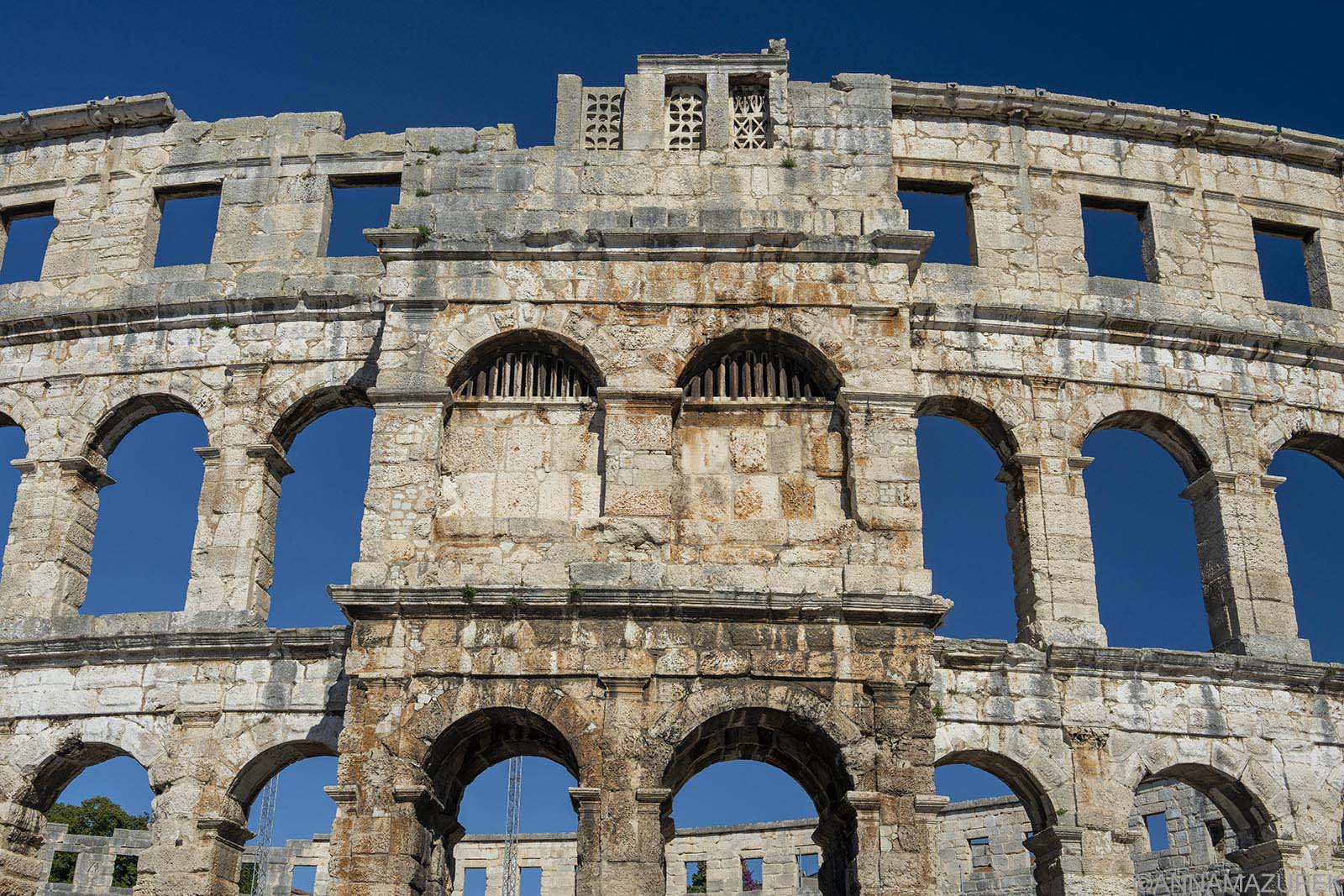 From Pula’s Roman amphitheater (above) to the beaches of Hvar, I had excellent cell service along the entirety of Croatia’s coast.
Locations Visited: Hvar, Korčula, Vis, Dubrovnik, Zadar, Pula, Rovinj
Cellular Network: Telemach/TM 5G & A1 Hrvatska LTE
Is 5G supported? Yes
eSIMs Used: Eurolink 10 GB for 30 Days ($37)
When I arrived in Croatia, I still had plenty of data left on my Europe regional eSIM, the Eurolink 10GB for 30 days. (It covers 42 countries and networks.) Initially, I’d planned to buy a cheaper Croatia-only eSIM when I arrived because I assumed I’d be out of data, but I was fine. Airalo makes it easy to check your data balance in the app. You can also set up notifications about low data. It’s very simple to top up in the app as well.
Sections of the old city of Dubrovnik are the only places I’ve had service issues over the years in Croatia, which is likely due to the thick walls. Service still works but just can be a bit spotty or lagged depending on your location. Often moving to another location or higher ground (climbing those steps!) fixes the issue. Otherwise, I had 5G in most locations.
Airalo in the United Kingdom (England)
Locations Visited: Heathrow Airport (Five-hour layover)
Cellular Network: EE 4G
Is 5G supported? No
eSIM Used: Uki Mobile with 1 GB for three days
When I have layovers in other countries, I always buy a 1 GB eSIM to ensure I have coverage for any potential travel delays or emergencies. (Airalo does offer regional Europe eSIMs that also cover the UK, but it was cheaper to buy a local plan instead for this short visit.) When I left Greece in early October, I was using a Greece-only eSIM, so I bought a United Kingdom-only eSIM, Uki Mobile, with 1 GB for three days, the shortest duration available.
I only had LTE in the airport. I ran the generic Google speed test on my phone, and it said UK 3 LTE network was 64.4 Mbps download, 3.42 Mbps upload. Since EE was supported by the eSIM, I manually changed the network to EE (my preferred network) and faster – 70.6 Mbps download, 3.79 Mbps upload. (Speeds were likely faster than this because I was simply testing in the lounge.) I had no issues with connectivity, even when after boarding, I could message friends and scroll the internet until we had to put our phones in airplane mode. When I’ve bought physical SIM cards in the UK in the past, I’ve always bought EE SIMs because the network has great coverage across England and Scotland.
Q&A: Airalo in Europe
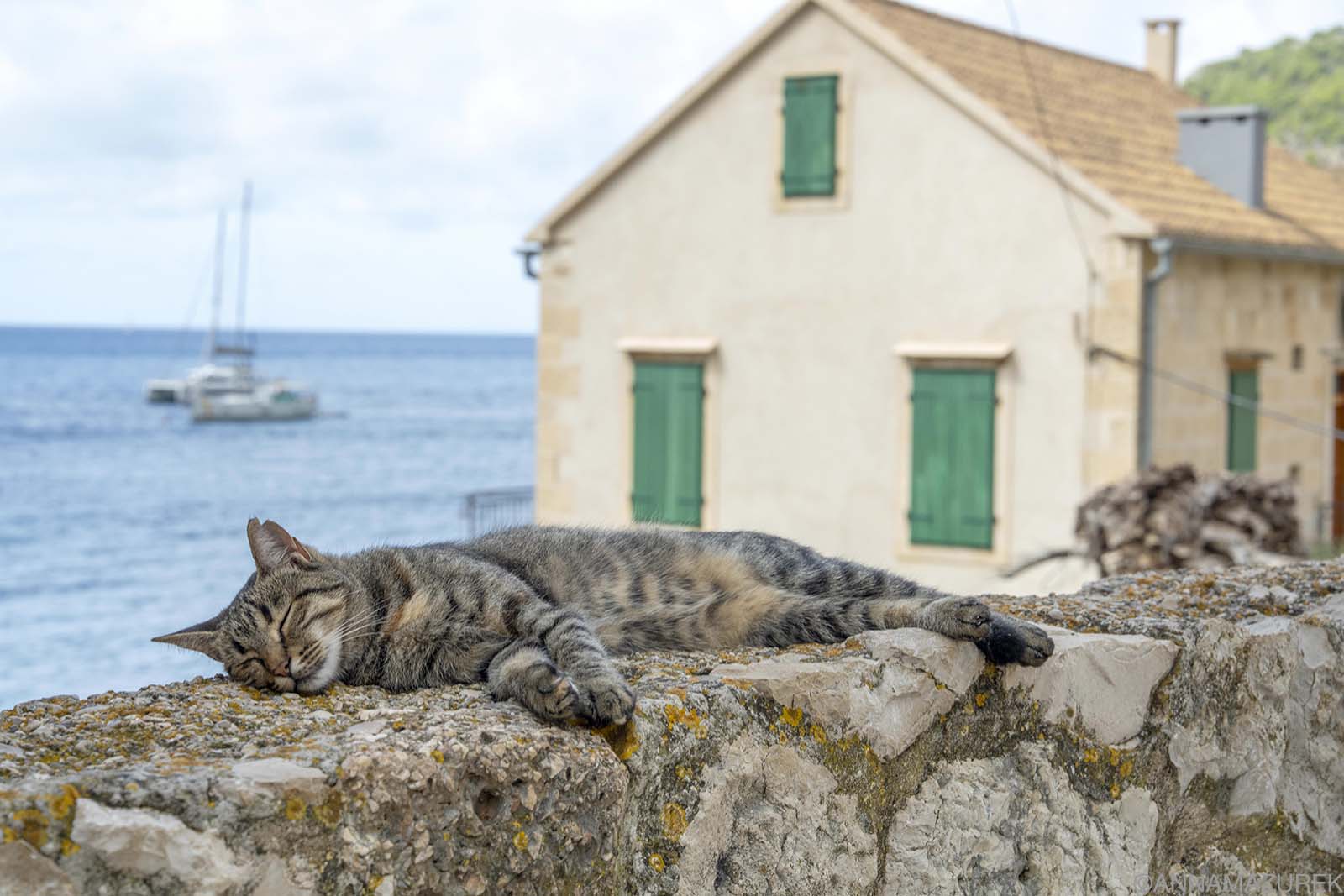 One of Croatia’s many photogenic cats on the island of Vis.
Is a local country-specific eSIM better than a regional eSIM?
Local country-specific eSIMs are almost always cheaper than a regional eSIM. I always do a cost comparison based on how long I’ll be in a country. If you’re country-hopping, then a regional eSIM is much easier. Plus, Airalo’s Europe eSIM covers 42 countries. It’s really important to make sure every single country you are visiting is covered before buying the eSIM. (I’ve made this mistake before by just assuming a place was covered.)
Does Airalo offer Unlimited Data?
Yes, Airalo offers unlimited data in Europe. With the Europe regional eSIM card, there’s a 10-day unlimited package. There is a wider variety of length options ranging from three to 30 days for country-specific eSIMs making it easy to customize your eSIM card choice to your trip. You can use the hotspot with unlimited plans easily. After 3 GB of data usage per day, the speed rate drops to 1 Mbps, which is standard across all eSIM brands. (The 3 GB limit applies to all data usage on the phone, including using the hotspot.)
Does Airalo offer plans that include data, calls and texts?
Yes, Airalo does offer plans that include calls and texts but not in all locations. Of the eSIMs I used, only the United Kingdom eSIM offers the option. It was not an option in the Europe regional eSIM or the local eSIM I used in Greece.
Airalo Review Summary
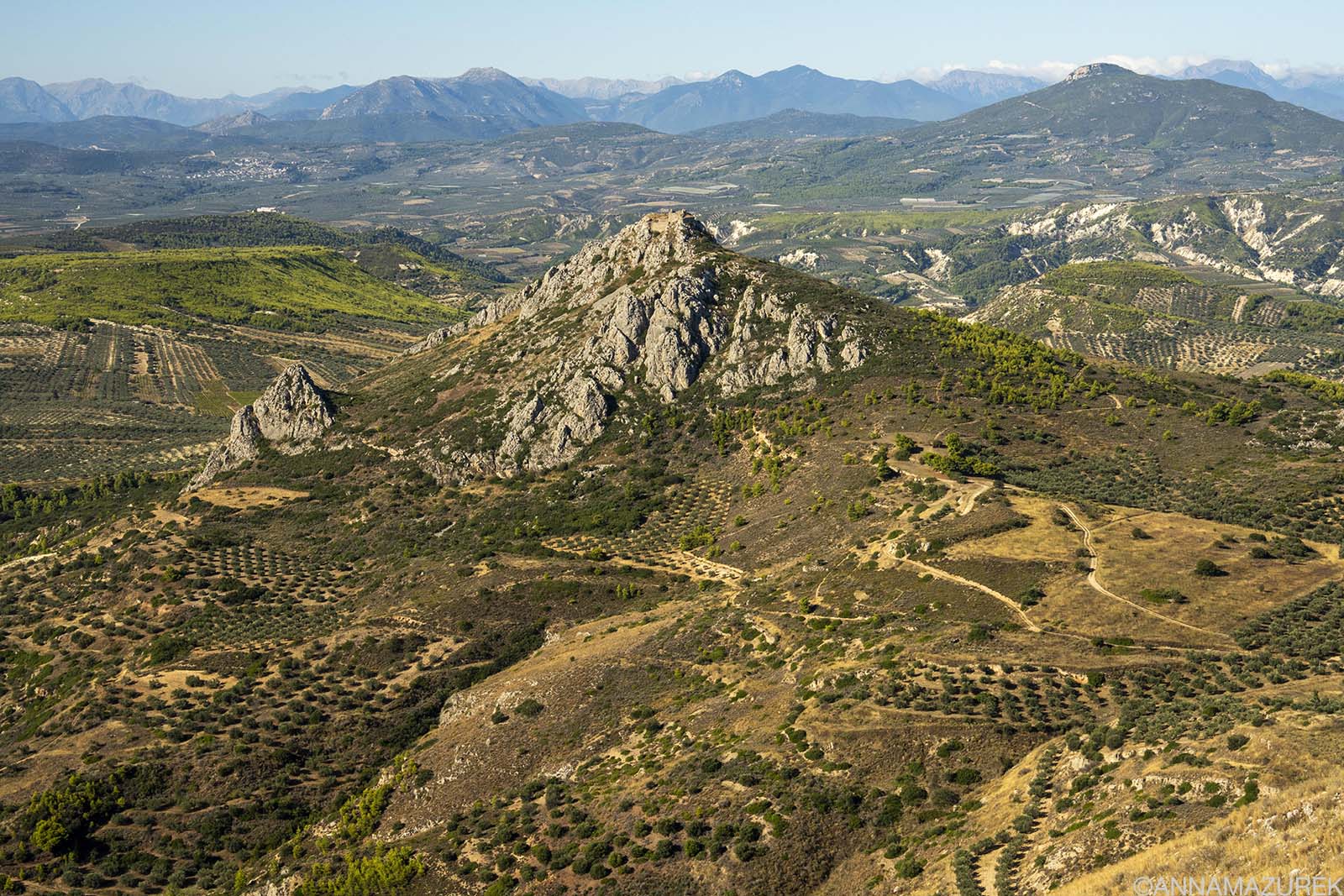 The view from Acrocornith on the Peloponnese pennisula in Greece.
At the end of the day, eSIM cards are only as good as the cellular network they partner with. My connection was seamless, country-hopping across Europe and the Balkans this summer. I was able to check email, upload to social media, use Google Maps for navigation and even hotspot to my computer to work with no major issues.
If you’re going to be traveling in a remote area, research the best cellular network and find the eSIM plan that uses that network. After this experience, I’d highly recommend using Airalo across Europe in both EU and non-EU nations. To save money, I always use the promo code AIRALOESIM10 to save 10% on every purchase. (To save 15% off your first purchase, use code NEWTOAIRALO15.)
Airalo International eSim Review for iPhone
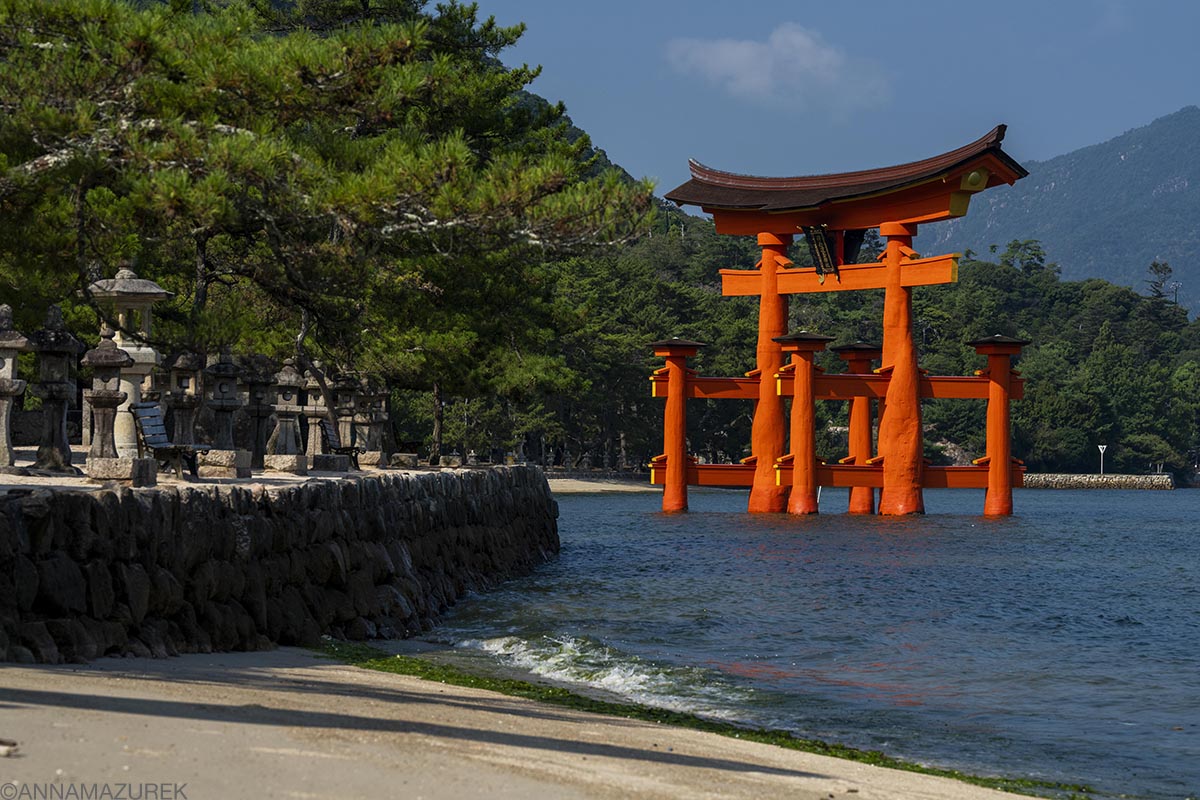 Miyajima, Japan // On my recent trip to Japan and Southeast Asia, I used Airalo’s eSIM cards for my iPhone 15 Pro and it worked perfectly with no issues.
Since I spend most of the year abroad working remotely, having cell service with mobile hotspot capacity is crucial for me. For years, I just bought local SIM cards because they were inexpensive and worked instantly. Then, Apple nixed the SIM tray on their new iPhone models creating quite a conundrum for me because I spend a lot of time in Southeast Asia where the WIFI is often too slow for Zoom, so I need cellular data to be able to work. Cellular data has always been my backup plan.
I recently tried out Airalo’s regional and country-specific eSIMs and have been impressed. Airalo is a great international eSIM for iPhones. While I talk about the pros and cons of eSIMs in another post, this post is simply my Airalo eSIM review for a trip in Asia with an iPhone.
AFFILIATE DISCLOSURE: This is a sponsored post with affiliate links. All opinions are my own. If you make a purchase, I earn a small commission at no cost to you, which goes toward blog maintenance costs. I only recommend products and companies I truly love and use.
First of all, what is an eSIM card?
It’s essentially a digital version of a SIM card that connects your phone to the cellular network. It’s more convenient since people no longer have to buy a physical SIM card and find a tool or paper clip to open the SIM tray! It’s also easier to switch your service off if your phone gets lost or stolen.
What type of eSIMs does Airalo sell?
Airalo sells local (country-specific), regional and global eSIMs. Keep in mind that country-specific eSIM cards are always cheaper than regional or global ones. And, all three are cheaper than paying $10/day for Verizon or other U.S. carrier fees to have international service. Most eSIM cards are data only. If you want to call from abroad, use Google Voice. I talk about this in my post on traveling and two-step verification. (If you decide to use Airalo, use promo code NEWTOAIRALO15 for 15% off your first purchase! Existing users can save 10% with AIRALOESIM10.)
Airalo eSIM Card Review for Asia Travel
I’ve included two mini reviews below of my experience using Airalo eSIMs in different parts of Asia.
Japan, Thailand, Indonesia and Malaysia
I reluctantly upgraded to an iPhone 15 Pro last year but still travel with my old iPhone 13 Pro as a backup for SIM card reasons. Airalo had worked previously with my iPhone 13 Pro, but I had some issues initially using eSIMs that I had to call Verizon to solve. My iPhone 15 Pro worked instantly with no issues.
eSIM cards are sold with a set amount of data for a set time frame, which doesn’t start until you activate the eSIM. You can install it and activate it in the future. (I like to buy them in advance in case I don’t have WIFI when I arrive in a new place or as a safety net in case one eSIM expires then I can simply switch to the other.)
In August 2024, I was on a work trip to four countries in Southeast Asia (Thailand, Indonesia, Malaysia and Singapore) so I bought an Airalo regional eSIM card for Asia that was 10GB of data for 30 days for $37. Again, country-specific eSIMs are a better value. For example, my 30-day Japan eSIM was only $24.15 for 30 days for 20GB, which is a much better value for a lower price than my regional Asia eSIM.
When I left Singapore, I flew to Japan for a month-long trip and used up the leftover data on my regional Asia eSIM before switching to a Japan-only eSIM. I spent part of my work trip in Japan on a ship traveling around Japan and knew we were going to Busan, Korea for one day so I bought a 5GB regional Asia eSIM ($18.55 for 30 days) to use there. (They also offer cheaper 7-day plans with less data, but I always need to maximize my data so I usually buy the 30-day ones.)
iPhones allow two eSIMs to be activated at once. I bought and installed all the eSIMs in advance but didn’t activate them until I needed them. I had 5G in most places and didn’t have any service issues despite being in some rural spots. The personal hotspot worked like a dream. (For safety, I turned off cellular data for Instagram because I’m guilty of using too much data on it.)
Cambodia, Laos and Vietnam eSIMs
In early 2025, I traveled to Laos, Cambodia and Vietnam using Airalo using country-specific eSIM cards for each place, but they are all covered on Airalo’s regional Asia eSIM plans. First of all, Airalo is the only eSIM company with coverage in Laos from my research. You can buy a Laos-only eSIM (limited options and pricey—$9.50 for 1 GB), and it’s included in the regional Asia eSIM (better value).
In Cambodia, Airalo partners with the Metfone network, which has better coverage in rural areas compared to using the Smart network. (All networks work in big cities.) It even worked well enough to do voice-calls on the remote island of Koh Rong Sanloem, which is a bit of a cellular dead zone. I was able to hotspot to my computer with no issues when the WIFI was dragging. (I used the Cambodia eSIM with 5GB for 30 days for $13 USD.)
In Vietnam, Airalo is the only option that I’ve found that partners with Viettel, the fastest network in Vietnam. I’ve tried other networks, and they only get LTE, even in Hanoi and Ho Chi Minh. This is the fastest data in Vietnam by far. If you need to do Zoom calls or work, don’t risk it with any other network. (Since I just had a short two-night layover, I did the 1GB for 7 days plan for $4.50 USD.)
The Airalo app makes it easy to check your data usage and eSIM expiration date. You can even set the eSIMs to auto-renew! Airalo will send a notification when you get low on data or when it’s about to expire.
Overall, Airalo is fast and convenient. I recommend downloading the eSIMs before you travel so you can simply switch it on the instant your flight lands. It’s cheaper than paying for international service on your U.S. plan (unless you get it for free with your plan) and a no-brainer if you are country hopping on a short trip.
For me, it’s my go-to if I’m not staying in a country long term and don’t have time to buy an eSIM from a storefront in the city. I really like the cashback feature of their loyalty program, too. Again, country-specific eSIMs are much better value than regional ones. (Use promo code NEWTOAIRALO15 for 15% off your first purchase or existing users can save 10% with AIRALOESIM10.)
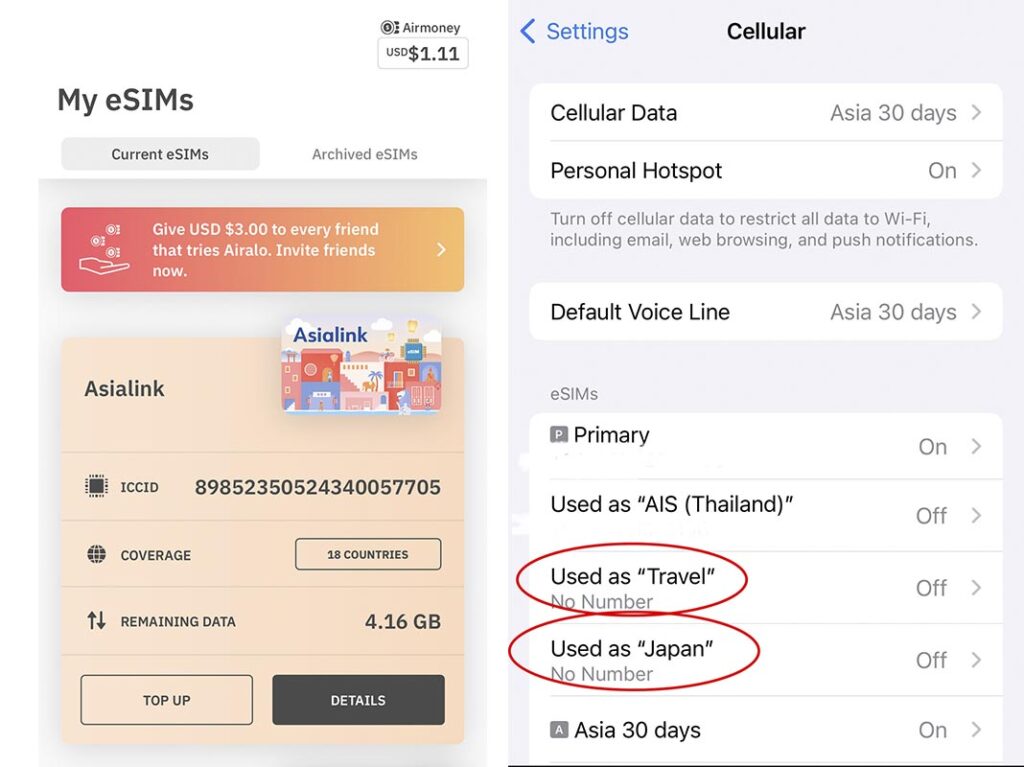 Left: The Airalo app makes it easy to check your data balance of your eSIM cards. Right: If you’re buying multiple eSIM cards, be sure to label them so they are easy to differeniate and only turn on the ones you want to use. (This menu is under Setting > Cellular on the iPhone.)
How does Airalo’s Loyalty Program work?
For every new eSIM purchase, Airalo gives you cashback as part of their Airmoney Rewards Program that can be redeemed on your next purchase.
Here are the tiers:
-
- Traveler: New users get 5% Airmoney Rewards.
- Silver Traveler: After spending $20 USD, the reward increases to 6%.
- Gold Traveler: After spending $70 USD, the reward increases to 7%.
- Platinum Traveler: After spending $200 USD, the reward increases to 10%.
Important Note: You can’t redeem your rewards AND use a promo discount code. You can only do one or the other. I normally see what is cheaper—redeeming my rewards or saving 10% with code AIRALOESIM10.
How to Install Airalo on your Phone:
Airalo makes it easy to install—simply follow the on-screen instructions in the Airalo app.
Tap on My eSIMS in the app, tap the Details button on the eSIM you want to use, tap “View Instructions, tap “Direct” and then, tap “Install eSIM” and follow the on-screen guide. For step-by-step instructions with screenshots, check out this page.
Afterward, a screen will appear saying it’s activated then you can name your eSIM anything you’d like. If you have multiple ones, I recommend labeling them so it’s easy to differentiate between them. In your cellular settings on your phone, make sure the ones you aren’t using are turned off.
How to know if an eSIM work with your phone?
Airalo will tell you before the purchasing process whether or not an eSIM will work with your phone, so you aren’t wasting money, which I really respect. This happened to me when I first tried to set one up on my old iPhone 13 Pro. I ended up having to call Verizon to get a few things sorted because I have a pre-paid plan. Afterward, it worked fine, and I’ve had no issues on my iPhone 15 Pro.
For more about the pros and cons of eSIM cards, check out this post.
 Banteay Kdei is a lesser known temple in Angkor, Cambodia near the famous Ta Prohm.
Two Things to Make Airalo Better
I’ve used Airalo on four continents at this point, and these are the two issues that annoy me the most. I’ve seen others complain about network connectivity, but I find they are often the ones partnered with the fastest networks from my travels, especially Viettel in Vietnam.
1. Simplified eSIM Installation & Plan Management
Every Airalo eSIM purchase involves installing a separate eSIM card, which needs to be individually labeled and then manually deleted later. (As a frequent eSIM user, I label mine by location or plan such as “Thailand” or “Europe” to ensure I have the correct eSIM activated.) It would be much simpler to only install the eSIM card profile once then add plans for different countries or regions to the same profile. I’ve tested other brands of eSIM cards that do this and prefer this.
2. Faster, Streamlined Support
I tend to error on the side of caution and top up eSIM cards in advance because I can’t risk running out of data while traveling in remote areas. If I don’t use the top up, I ask for a refund, which Airalo Support has been wonderful about refunding with no questions since the data was not used.
When I submit my question in the Airalo app chat, the AI-powered Chatbot acts like it can help but constantly asks me to sign in even though I’m already signed in. I get stuck in a loop, so I finally just ask for a person. I get connected instantly to a human, and my issue is resolved quickly. It would be nice if the chatbot could just handle it for me to save time. Plus, I often must email support in addition to chatting to verify my identity to get the refund processed. While I appreciate the 24/7 support, it would be great if this could all be done in the app for simplicity.
How to Fix Common Airalo Issues on Your iPhone
1. Install Your eSIM Before Leaving for Your Trip.
I buy and install my eSIM before boarding my flight to ensure it’s ready to go the minute the plane touches down. Before you make a purchase, Airalo makes it very clear whether your phone is compatible with the eSIM in the app. During installation, be sure to clearly label the eSIM in your phone so it’s easy to locate
2. Make sure the eSIM is turned on and selected for cellular data.
In Settings, go to Cellular Data and make sure the correct eSIM card is selected under the Cellular Data setting.
3. Turn on Data Roaming.
Some eSIMs require data roaming to be turned on, which is listed in the activation instructions and in the How to Connect section under each eSIM in the Airalo app.
4. Toggle Airplane Mode Off and ON.
This usually resolves most of my issues when my eSIM doesn’t connect instantly. Restarting your phone can also help.
5. Network Settings Problems.
If the eSIM is activated but not working, try these steps:
- Manually select the network. Often eSIMs can connect to more than one network. Make sure it’s connecting to the network listed on your eSIM profile. If not, turn off automatic network selection and manually choose the correct carrier.
- Turn off limit IP address tracking.
- Change Network Mode. In the eSIM settings, go to Voice & Data and choose the correct setting listed on the eSIM. If it only supports 4G, select that instead of the 5G options.
- Check the APN configuration. While the Access Point Name is usually configured automatically, some eSIMs require a specific APN that will be listed in the installation instructions. It can also be found under View Details, then scroll down to “How to Connect.” Airalo Support can also provide correct setting.
- Turn off other eSIMs and restart the device. If these quick fixes don’t resolve your problem, reach out to Airalo’s 24/7 multilanguage support on What’s App or new chatbot in 53 languages, including English, French, Spanish, German and Arabic.
The Ultimate Guide to Buenos Aires: What to Eat, See & Explore
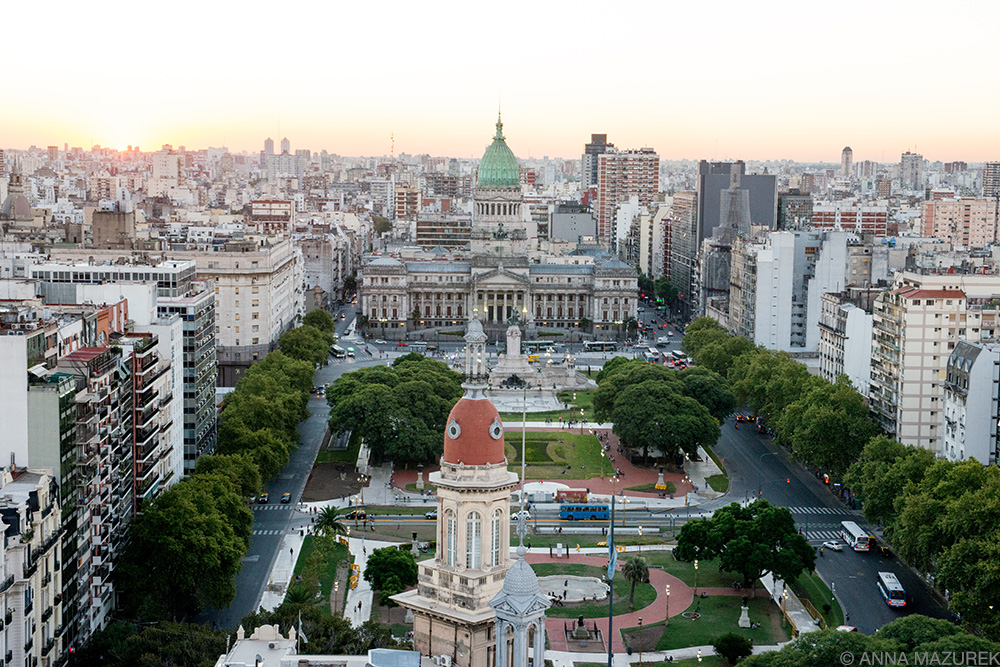
 The view of Plaza del Congresso and the Argentine parliament building from Palacio Barolo, one of the city’s most beautiful buildings.
There is no city in the world as seductive as Buenos Aires. While the skyline isn’t sexy, the city itself is intoxicating. The streets are lined with grand European palaces, cozy cafes and endless parks. The stables of life are steak, wine and ice cream. Dinner never starts before 9 p.m. and most places close daily for an afternoon siesta. After dinner, everyone dances tango until almost sunrise.
I fell in love with this city on my first visit in 2015 and have been back many times to live during the U.S. winter. I even wrote about my love affair with Buenos Aires for a travel story for the Washington Post, which digs into the history and beauty of the city. In addition to that story, I made a more detailed guide of the best places to visit, eat and tango in Buenos Aires.
From eSIM cards to travel medical insurance, keep reading for all the details about where to go in Buenos Aires and how to best prepare for your trip!
Affiliate links are used in this post. If you make a purchase, I earn a small commission at no cost to you, which goes toward the cost of maintaining this blog.
Plan Your Trip
Currency: Argentinian Peso (ARS)
When to Go: Spring (September to November) & Spring (March to May)
Travel Insurance: Protect yourself with SafetyWing travel medical insurance to cover accidents and travel delays.
Mobile eSIM Card: Get seamless connectivity worldwide with Airalo minus the hassle of physical SIM card. (Save 10% with code AIRALOESIM10!)
When to Go To Buenos Aires
Peak season for tourism is their summer—December to February, which is when I prefer to go because I love the heat. Temperatures range in the 80s most of time, but start to cool off to high 70s in February. The shoulder season of November and March are also nice. November is when the famous jacaranda tree purple flowers bloom, but weather will be chilly enough where you’ll still need a light jacket.
 El Ateneo Grand Splendid bookstore (left) and Buenos Aires Botanical Gardens (right) are both gorgeous and free!
The Best Things to Do in Buenos Aires
-
Palacio Barolo is the best spot for a scenic view of the skyline and the parliament building. The building was inspired by Dante’s Divine Comedy and has 22 floors that match the content of the poem directly. The palace now consists of many offices, but they have daily tours that take you into the lighthouse at the top of the building.
-
Le Recoleta Cemetery. One of the most notable graves in La Recoleta Cemetery belongs to Eva Perón. The 14-acre grounds are hauntingly beautiful – elaborate above-ground marble mausoleums and statues cover a sprawling grid of four city blocks lined with large walkways. Be sure to check out the weekend market in the adjacent park. Free Entry.
-
Attend a Boca Juniors or River Plate football game for one of the cites most exciting experiences Tickets for games must be booked through travel agents, GetYourGuide or Viator. If you can’t attend a game, a stadium and museum tour is your best option for both River Plate and La Boca. Read reviews before booking. (Keep an eye on your belongings in the La Boca area and avoid it at night.)
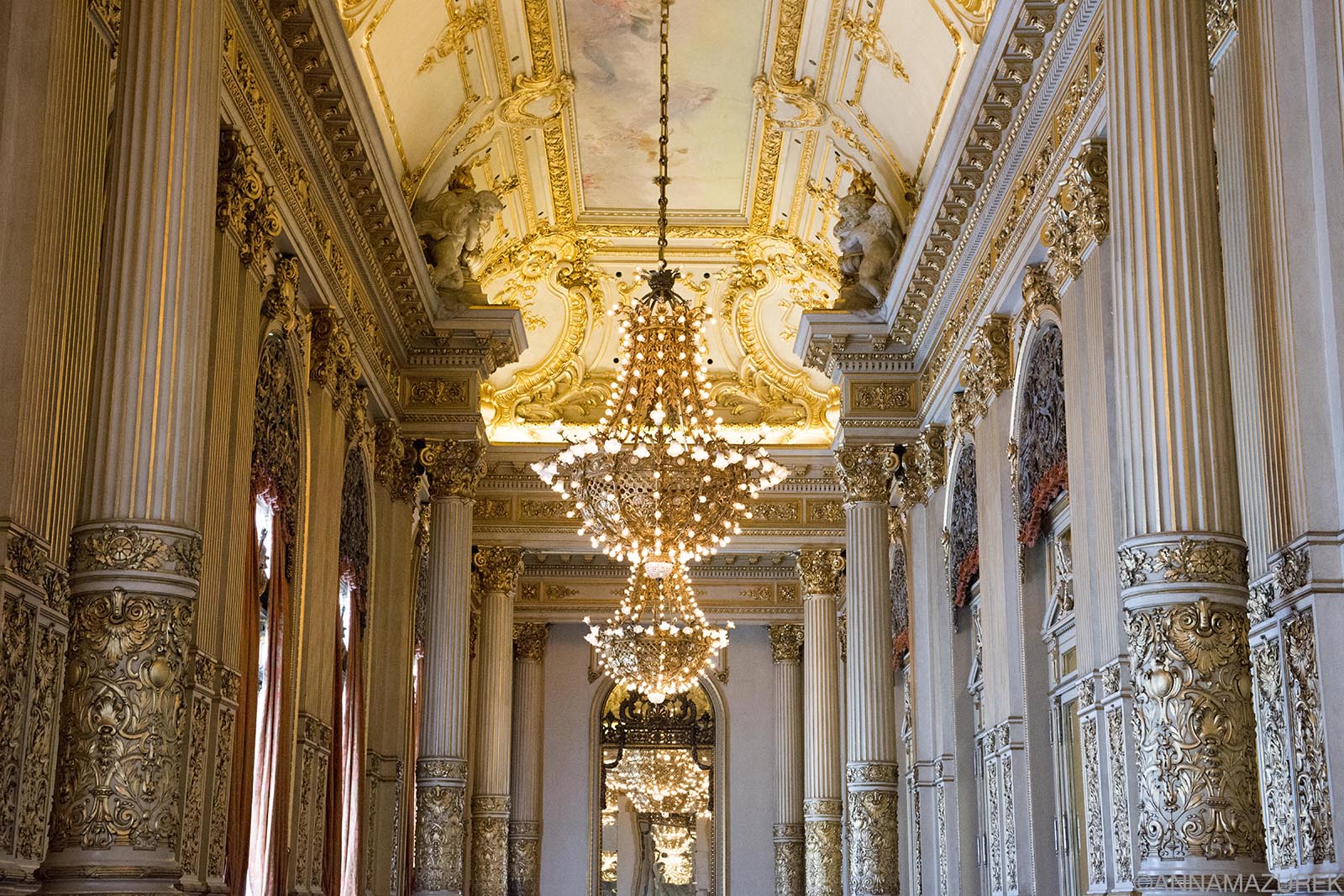 The stunning chandeliers in Teatro Colon in Buenos Aires.
-
Teatro Colón is not only one of the finest opera houses in the world but one of the most beautiful buildings in the city. Built in 1908, the seven-story theater covers an entire city block and features ballet, opera and concert performances. Many of the lavish building materials – Venetian mosaics, French stained glass and three kinds of Italian marble—were all imported from Europe. If you can’t catch a performance, take one of the hourly guided tours. Tours run every 15 minutes from 9 a.m. to 5 p.m. daily in both English and Spanish.
-
El Ateneo Grand Splendid Bookstore has a story just as interesting as the décor. The building opened in 1919 as a theater called the Teatro Gran Splendid before converting into a cinema, which showed the first sound films in the country. The theater-turned-cinema was then converted into a bookstore in the early 2000s. Much of the interior, including the ornate carvings, remain intact. Bookshelves replaced the rows of seats, and the theater boxes were left for customers to curl up with a book. Dark red curtains frame the stage, which is now home to a quaint café. Free entry.
- National Museum of Decorative Arts is housed in a 1917 beaux-arts mansion that was originally the home of Chilean aristocrat Matías Errázuriz and his wife, Josefina de Alvear. When Alvear died in 1935, the family donated the house and its extensive collection of European and Asian art to the Argentine government under the condition it be used as a museum. The elaborate décor features a ballroom with hand-carved ceilings and artwork by Manet and Rodin. It is the only French mansion built at the beginning of the 20th century open to the public in Buenos Aires. There are also rotating art exhibits in the main floor and basement galleries. Entry is free.
 The San Telmo Sunday Market is filled with glass seltzer bottles and souvenirs of Mafalda, a famous Argentine comic strip.
-
San Telmo Street Fair is the place to be on Sunday. Plaza Dorrego, the heart of the market, is focused more on antiques including a row of vendors selling vintage glass seltzer bottles. The stalls stretch out into the adjacent streets and eventually, it turns into more of a flea market with vendors selling leather belts, fresh-squeezed juice and merchandise centered around Mafalda, a famous Argentinean cartoon character. Sundays 10 a.m. – 5 p.m.; Free entry.
-
Parque Tres de Febrero is the biggest public park in the city. It includes a giant lake and a rose garden surrounded by a pedestrian track filled with runners and rollerbladers. It’s my favorite place to run in the city. On weekends, there are stalls renting bikes, pedal carts and skates. The park used to be the private grounds of a dictator and was named after the date he fell from power. Rose garden is open 8 a.m. – 8 p.m. daily.
-
Galileo Galilei planetarium has a nightly light show that you can’t miss. The planet-shaped building changes colors while the fountains in the adjacent lake perform a mini-show on the hour mark. While the museum is open during the day, there is free telescope viewing on weekend nights until 10 p.m. Av. Sarmiento, Light show is free.
- Museo Nacional de Bellas Artes is an art museum with a stunning collection of European master’s including Degas, Monet and Rodin, along with Argentinean artists. Entry is free
- A street art walking tour is a great way to explore Buenos Aires endless neighborhoods from La Boca to Palermo Hollywood. Graffitimundo offers tours, but you must email to book in advance. For shorter notice, book a tour from GetYourGuide or Viator.
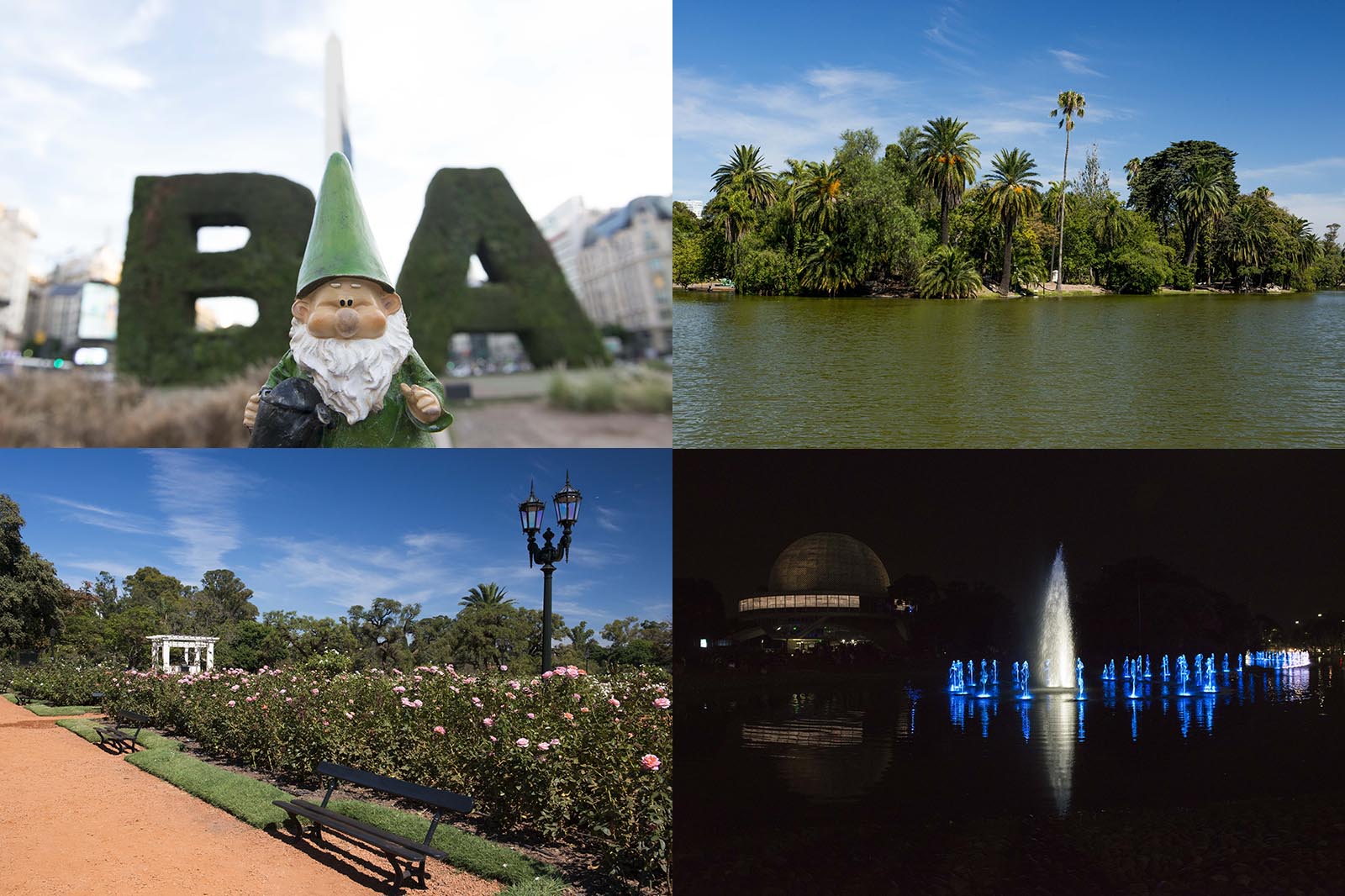 Clockwise from top left: Obelisco de Buenos Aires, Bosque de Palermo, Galileo Galilei planetarium at night and Paseo del Rosedal in Palermo.
-
Museo de Arte Latino Americano (MALBA) focuses on Latin American art from the early 20th Century to the present. Highlights include Diego Rivera, Fernando Botero and Frida Kahlo. Be sure to visit on a Wednesday when admission is discounted and free for student and teachers. I got in free with my teacher’s ID from Texas.
-
Obelisco de Buenos Aires is one of the icons of the Buenos Aires. The monument was built in 1936 in honor of the 400th anniversary of the city’s founding. Located at the foot of the monument in Plaza de la República is the giant BA sign that’s Instagram-worthy!
-
Floralis Generica is a metal flower sculpture by Argentine architect Eduardo Catalano in Plaza de las Naciones Unidas. It also has purple lights that appear at night. It’s a fun picnic spot. FIGUEROA ALCORTA, PRES. AV. 2301, Free entry.
-
Jardín Botánico Carlos Thays (botanical gardens) is a peaceful escape from the city. Built by French landscape architect Carlos Thays, the green space includes over 1,500 plant species, Roman-style statues and a glass-domed greenhouse. Thays is also responsible for creating, remodeling and expanding 69 public spaces in the city.
-
Buenos Aires Ecological Reserve is the largest green space in the city. It’s a great place to rent a bike and explore. The 865-acre reserve lies east of Puerto Medaro on the bank of the Rio de la Plata. It’s packed with locals on weekends and a market by the south entrance. Free entry.
-
The Buenos Aires Metropolitan Cathedral is the main Catholic Church in the city center. Pope Francis used to perform mass here until he became Pope in 2013. It also houses a Pope Francis Museum. Entry to the cathedral is free.
-
Stroll La Caminito, a colorful pedestrian street in the La Boca neighborhood surrounded with houses built of brightly painted wood and sheet metal. Explore the museums and shops during the day. Petty theft is an issue in La Boca, and it’s dangerous at night.
- Free Walking Tour. There are several companies that offer free walking tours, and the guides work for tips only. This is a great way to get an idea of the city to start your trip.
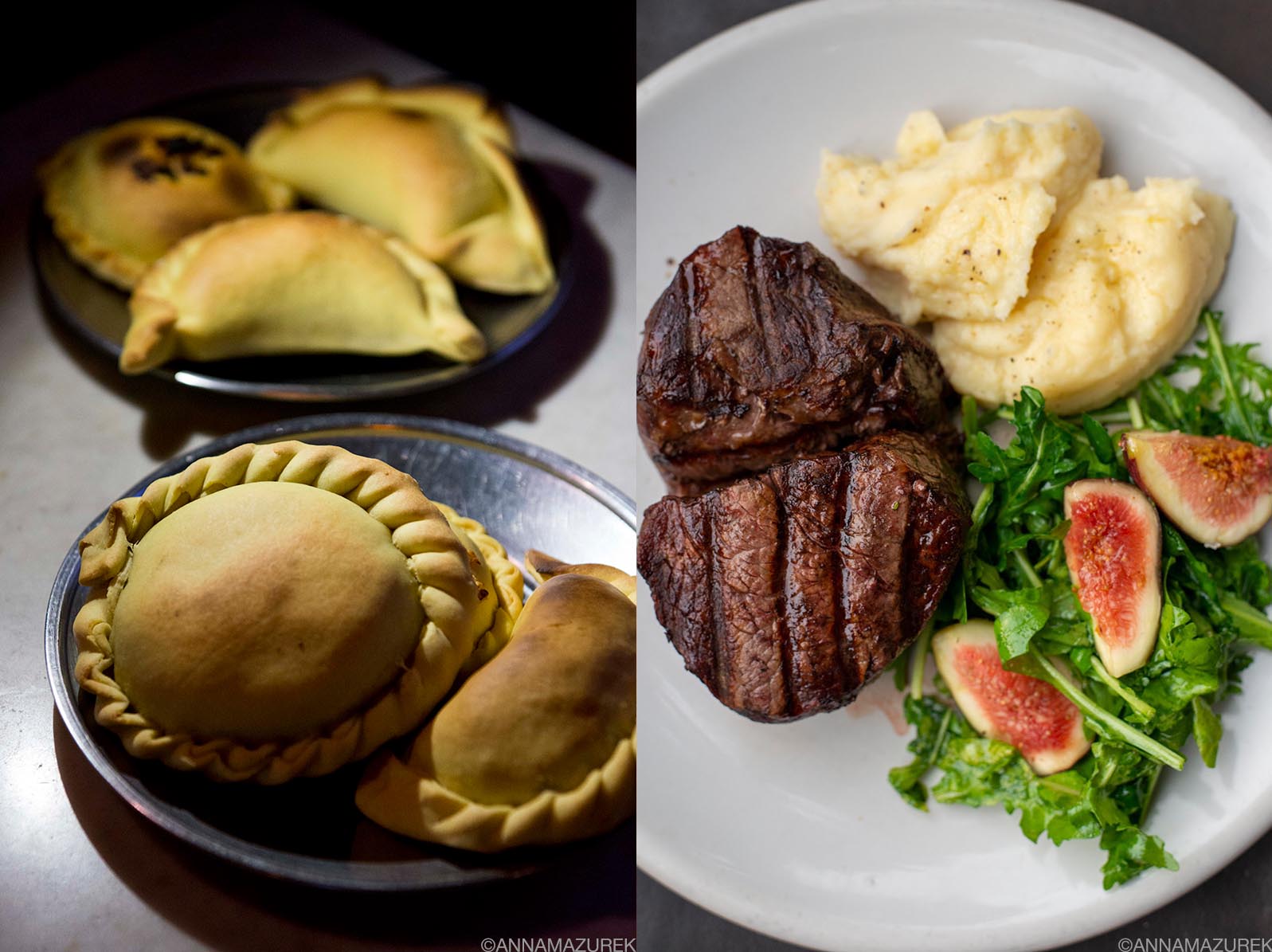 Left: Empanadas from La Cocina are the best in the city! Right: Steak from Don Julio, which was voted the best restaurant in Latin America in 2020 and 2024.
The Best Places to Eat in Buenos Aires
- Don Julio was voted the best restaurant in Latin America in 2024. The traditional Argentine steakhouse is the best steak in town. Reservations recommended.
- El Preferido de Palermo is a great dinner spot owned by the team behind Don Julio. Their milanesas (breaded meat cutlets) are delicious. Reservations recommended.
- La Cabrera is a Palermo parrilla (steakhouse) with a nightly happy hour from 6:30 to 8 p.m. Everything (steak, salad and even wine) is 40% off. The only catch is that you must be out before 8 p.m. when they start seating parties with reservations. Juicy steaks are served with an array of small sides ranging from pickles to purees.
- Casa Cavia is a lovely restaurant located in an old mansion with a leafy courtyard patio. It’s been my go-to brunch spot, but it’s also open for dinner. The homemade scones with dulce de leche are fantastic.
- Pain et Vin is my favorite wine shop/bar in Palermo. They serve light cheese plates but not proper meals.
- Usina and GOIN! are two Recoleta cafes I like for breakfast, lunch and an early dinner. (They close around 8 or 9 p.m., which is early for Argentine standards.)
- La Cocina has the best empanadas in town! This tiny hole in the wall has only 14 seats and plays classic rock music. I recommend the carne picante (beef), the pikachu (onion, cheese and red pepper flakes) and choclo (corn).
- L’Orangerie is located in the swanky Alvear Palace Hotel in Recoleta. This restaurant serves afternoon tea featuring a selection of miniature sandwiches, pastries and scones.
 Left: Alfajores (dulce de leche with cornmeal cookies are available across the city); Right: Strawberry cheesecake from L’Orangerie at the Alvear Palace Hotel.
-
La Fachada has the best selection of empanada flavors in town including pumpkin (my favorite), pineapple (my second favorite) and Caprese. Their pizza also looks delicious. They have two locations so check their website for details and times.
-
Narda Comedor is a healthy eatery run by famous Argentine chef Narda Lepes, who was trained in France. There’s a nice patio and they spread the tables out into the park across the road during the daytime. Their mains are large portions and the panna cotta is delicious.
-
Croque Madame Café has a delicious array of cakes and quiches. There are multiple locations but the most scenic is the garden location at the Museum of Decorative Arts.
-
Lucciano’s is a family-owned ice cream chain that’s one of my favorite ice cream spots. The pomelo is my favorite flavor.
- For San Telmo, El Blanco Rojo, Bar Chin-Chin and Virrey Cocina Urbana were my go-to spots in 2018. They are still around, but I didn’t spend much time in San Telmo this trip.
The Best Craft Beer in Buenos Aires
Craft beer is slowly infiltrating the city. Many breweries have daily happy hours.
-
Buller Brewing is a brewery with an amazing rooftop patio overlooking Recoleta cemetery. Their beer, burgers and onion rings are fantastic.
-
Rabieta is probably my favorite microbrewery with nine of their own beers and other local brews on tap. You can’t beat the location on the horse racing track. Their patio is expansive, and they also serve bar food.
-
1516 Cerveceria in Palermo has a giant patio. On Tap serves 20 beers from local microbreweries and has several locations.
- Jugetes Perdidos never makes the same beer twice. You can find their beer in bars in town, but they don’t have a taproom. The brewery offers tours in their taproom every Saturday. Make reservations by calling or via Facebook Messenger. Tours are in Spanish, but they speak English if you have questions. Tour is free, but you pay for a beer and a complimentary glass. Bolivia 3342.
The Best Coffee in Buenos Aires
Since I don’t drink caffeine, I’m passing along recommendations from my coffee-loving friends. Santa Café is run by a Colombian couple so you know the coffee is good. It’s across from the Intercontinental Hotel. Everyone raves about their flat white. LAB is a great coffee spot with bar-style seating in Palermo that also has bagels. Coffee Town is a popular spot in San Telmo.
Where to Dance Tango in Buenos Aires
Taking at least one tango lesson is a requirement for any visit to Argentina. Aside from lessons, attend a milonga, a term that describes a type of music but is a common reference for a tango show. Many milongas have professional dancers perform throughout the night but have the dance floor open to the public otherwise. Here are a few regular spots that are still open:
- On Sunday nights, there’s usually outdoor tango at La Gloretia, a gazebo in Barrancas de Belgrano park.
- La Cathedral is the dive-bar equivalent of a milonga with the dance floor surrounded by mix-matched chairs that look like they came from a consignment shop. They offer lessons during the day have a milonga every night. It’s a great spot to go out on weekends and has a great vibe. The professional dancers are always amazing. They traditionally have two-for-one entry before 10 p.m. every night deal.
- Other options include La Viruta and Salon Canning, which is a more traditional venue with more of a dress code than other venues.
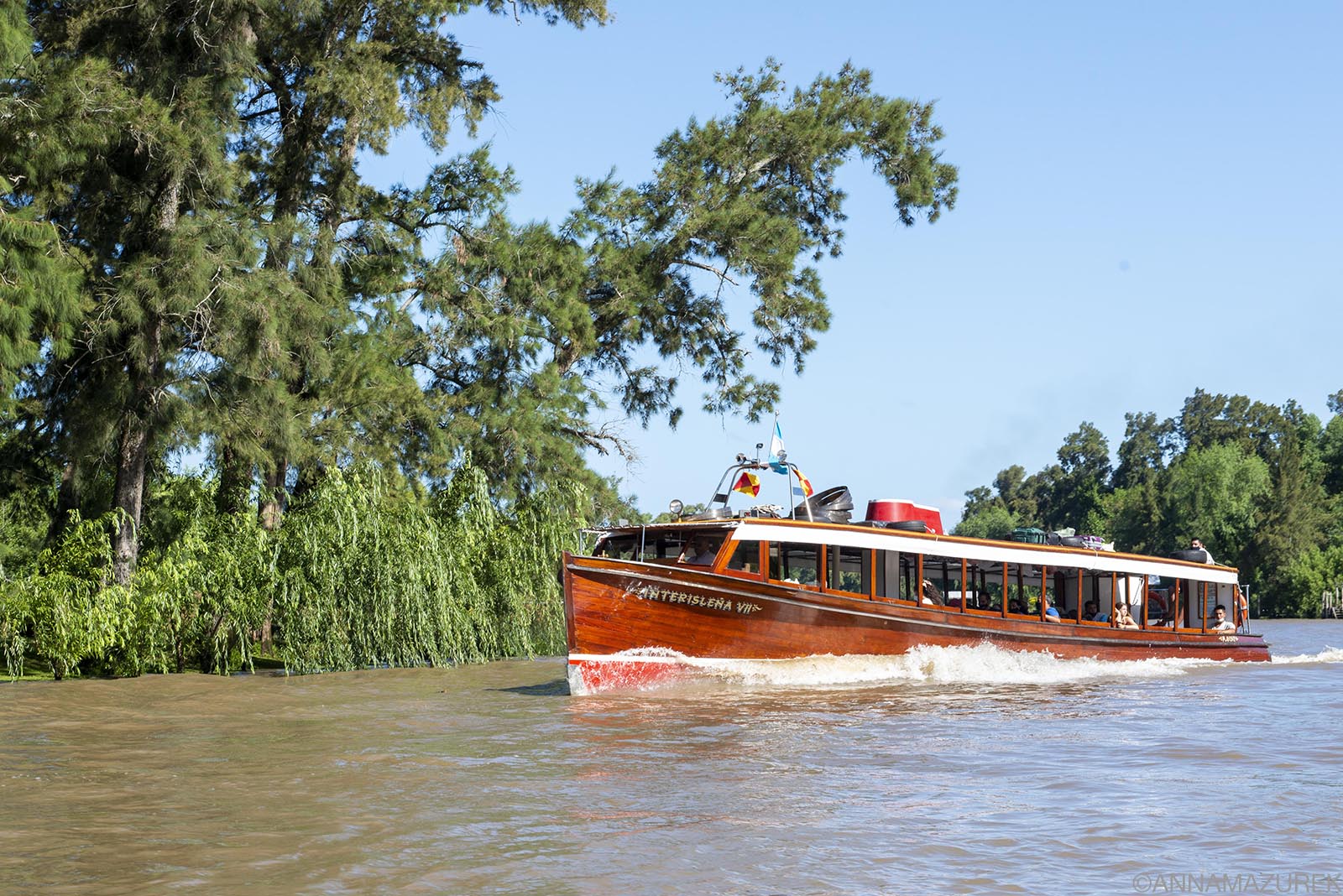 The waterways of Tigré, the gateway to the Paraná Delta located 18 miles north of the city, are a great day or weekend trip. Be sure to take a one-hour boat tour through the canals and residential parts of the delta.
Day Trips from Buenos Aires
If you are looking to escape the city, there are several great day trips. You can do these on your own or book a group tour through GetYourGuide or Viator.
- Tigre is a series of scenic canals lined with vacation cottages that’s popular with locals. It is also known for its museums: Museo de Mate (famous loose leaf tea) and Museo de Arte de Tigre, an art museum dedicated to Argentine artists housed in a 1912 social club. It’s easily accessible by train from Retiro station. I recommend the more scenic Tren de la Costa and stopping at other stations along the way to explore the coast. It’s also easy to book day tours that take you by van and include the cost of the boat tour.
- La Plata is South America’s first completely planned city built on an elaborate grid famous for the towering neo-Gothic Cathedral and a natural history museum that’s touted as Argentina’s best museum. There is a direct train from Constitución station.
- San Antonio de Areco is a picturesque small town in the Pampas (lowlands area) known for gaucho (local skilled horseman) traditions.
- Colonia del Sacramento: Take the one-hour ferry to Uruguay to visit this peaceful postcard-perfect colonial town in Uruguay. Check out my guide to Colonia, here. (Uruguay is so amazing that you’ll fall in love instantly and want to stay for more than a weekend.) You can easily buy ferry tickets online.
Public Transport in Buenos Aires
-
Public transport. Buenos Aires has an extensive network of subway trains (Subte) and buses (Sube) that are both efficient and budget-friendly. You need a reusable Subte card, which you can buy at the stations.
-
Eco Bici The city offers a system of rental bikes around the city, which you can check out for an hour at a time. Tourists can sign up for the program and upload a copy of their passport and entry stamp.
- Ubers & Taxi. Uber exists in Buenos Aires, but it’s much slower than just grabbing a taxi off the street. Be sure to set your payment method to cash if taking an Uber. I find the regular taxis to be cheaper. I normally only use Uber when I don’t know how to explain in Spanish where I want to go. I normally give taxis cross streets to drop me off.
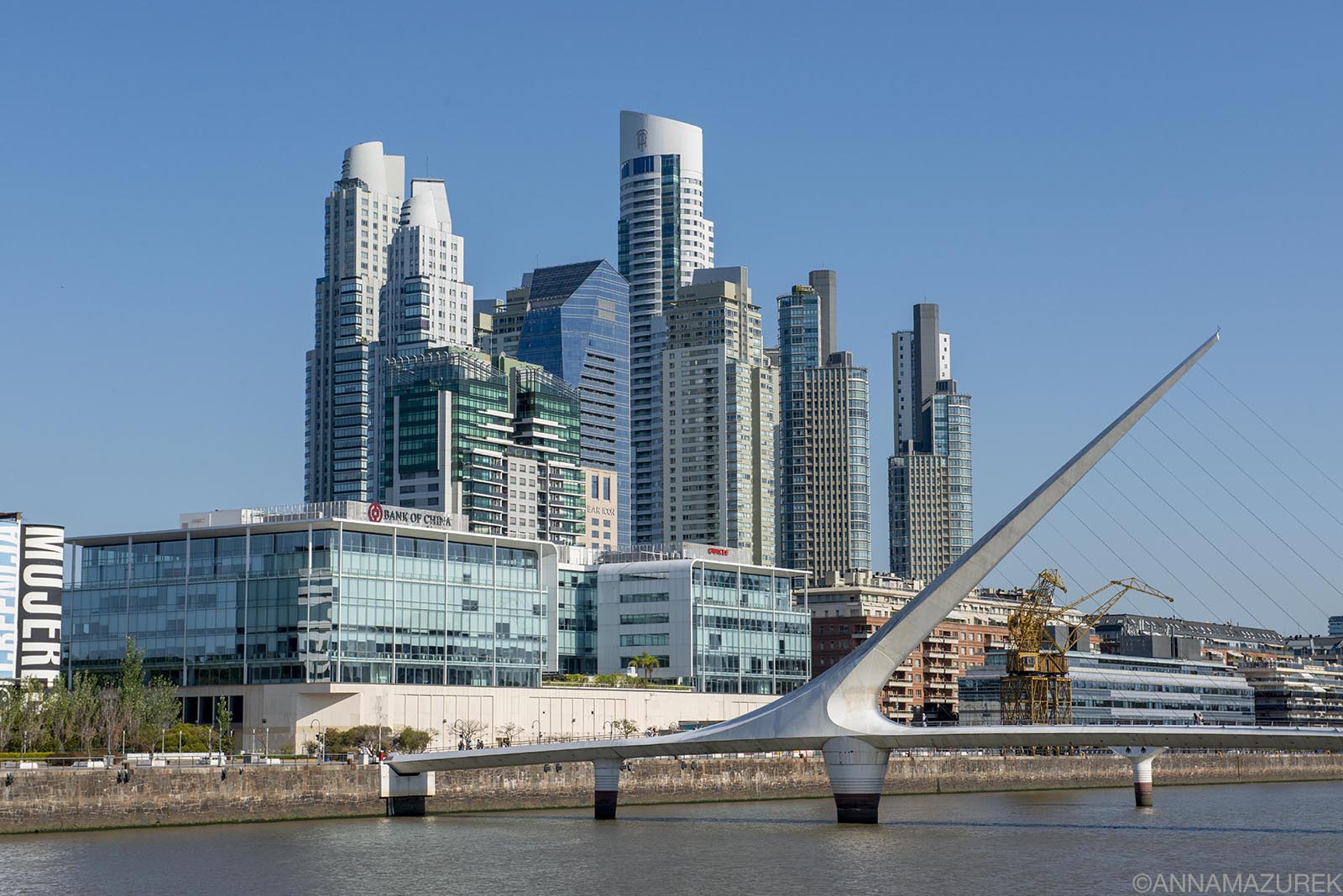 The sleek skyscrapers of the city’s revitalized portside at Puerto Madero. The white bridge is El Puente de la Mujer (Women’s Bridge) is by Valencian architect Santiago Calatrava and it is one of the most famous landmarks in the area.
Exchange Rates in Argentina: Is Buenos Aires a cheap place to travel?
Inflation has plagued the country for decades and is one of the highest in the world. In December 2023, it peaked at 25% but slowed to around 3.9% in August 2024. Annual inflation remains over 200 percent according to the Associated Press.
In the past, traveling with stacks of U.S. dollars to exchange was the only way to travel in Argentina. The country has long had a two-rate system—an official bank rate and an unofficial rate, known as the blue dollar. Over the years, the rates have fluctuated to being close to even to being drastically different. When the gap between the rates closes, it gets more expensive for anyone traveling with dollars.
As of November 2024, the official rate for U.S. dollars was 973 and the unofficial rate, known as blue dollar, was 1,140. (To give you an example of the inflation rates: In February 2022, it was 106 for the official rate and 209 for the blue dollar, which meant everything was half price for anyone traveling on dollars. When I was there in 2018, both the bank and blue dollar rate were almost even so I just used ATMs for cash.)
Can you use credit cards in Argentina and Buenos Aires?
Yes, travelers can now use credit cards in Argentina and get a “tourist dollar” rate that’s higher than the official bank rate. In December 2022, the country implemented a “foreign tourist dollar” program to give the MEP rate, (Mercado Electrónico de Pagos, which is the rate for investors buying in pesos and selling dollars) to travelers using credit cards (Mastercard and Visa only. ) This means you don’t have to travel around with giant stacks of cash like a drug dealer. Plus, this makes it easier to earn credit parts toward airline status. The MEP rate is not the same as the blue dollar rate but is higher than the official rate. (This website shows both rates, and The Buenos Aires Herald has a great story breaking down the different Argentinean dollar exchange rates.)
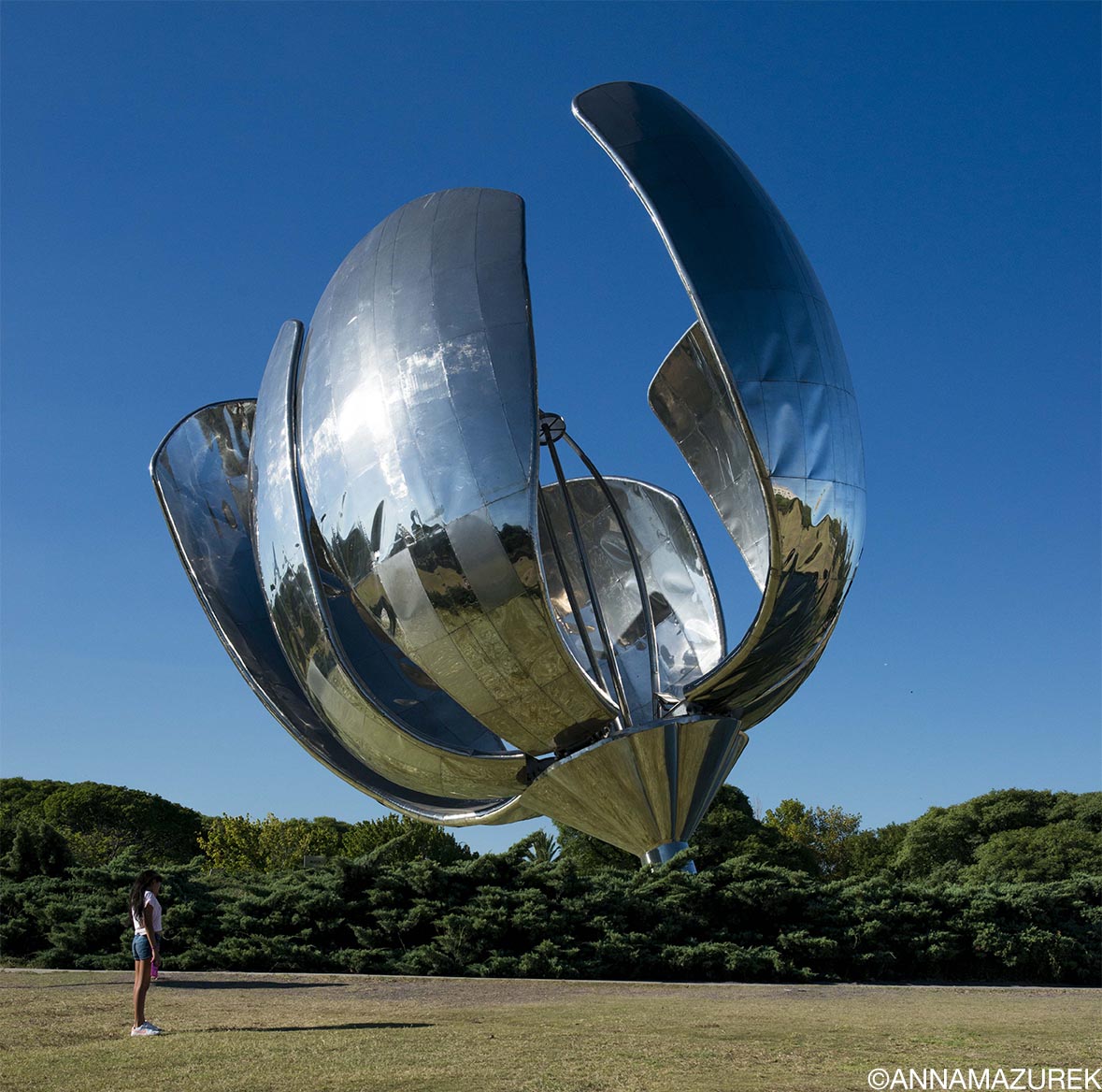 Floralis Genérica is an 18-ton alumiunum sculpture by Eduardo Catalano located in Plaza de las Naciones Unidas.
Where can you exchange money on the blue dollar rate in Buenos Aires?
If you are bringing U.S. dollars to exchange, make sure you have pristine (no marks or tears) $100 bills. In the past, I’ve used Enviarg Money Transfer, which has a location in Palermo Soho and two in Recoleta. I’ve never had to show a passport or ID to exchange money. I’ve only exchanged a max of $500 at one time. Since rates and regulations are constantly changing, be sure to ask the rate before any transaction.
Otherwise, there’s always Western Union. It’s best to send yourself money through their app (there are fees) because not every location exchanges cash. (This is a great option if you aren’t traveling with a ton of cash.)
Also, it can be tricky to find a Western Union branch that has the amount of money you need so you might be walking around for a while trying different branches. If you go this route, consider doing no more than $200.
While I’ve heard that counterfeits were an issue in the past, I’ve not had any issues. The only people who really look at the bills are store clerks.
Is it cheap to travel in Argentina now?
Argentina is still an affordable place to travel—especially if you are traveling on U.S. dollars—but more expensive than in previous years. This is due to inflation, austerity measures and the removal of public transport subsidies. The locals are the ones hurting the most with the high cost of living. (In early 2022, everything was half price because the blue dollar was so high. Long gone are the days of $37 steak dinners at the famous Don Julio!)
To make the most of your money, check rates before your trip to decide what’s best for you. It can’t hurt to have dollars with you.
Consider using cash to negotiate rates when you can. I’ve always paid cash for my apartments in Buenos Aires, which has enabled me to negotiate rates. The last time, I was able to get the price cut down by almost 30% from $1,400 USD to $950 USD for a spot in Recoleta!
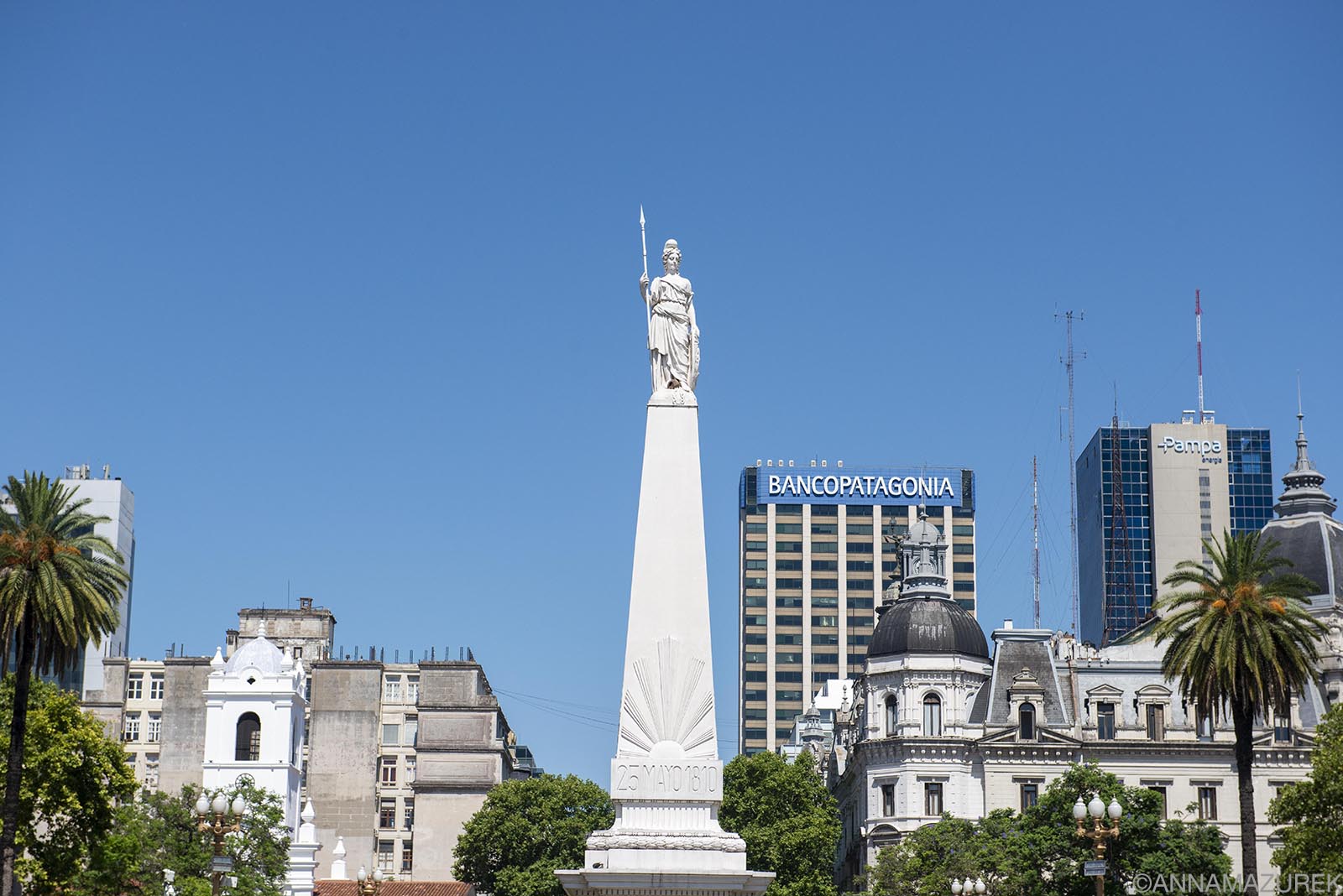 The white obelisk, Pirámide de Mayo, located in Plaza De Mayo, Buenos Aires’ oldest public square, was built to mark the first anniversary from Spain.[/caption]The white obelisk, Pirámide de Mayo, located in Plaza De Mayo, Buenos Aires’ oldest public square, was built to mark the first anniversary from Spain.
Is Buenos Aires Safe?
While the inflation is great for those with U.S. dollars, it’s a struggle for those without access. There are more homeless people and people trying to sell you socks and other random things while you are at dinner than there were on my previous trips. (To put it into perspective, the homeless situation in Austin, Texas is tremendously worse than what I’ve seen here lately.)
Petty theft is an issue in Buenos Aires. Watch your bags at all times. I always leave my purse strapped across my body at restaurants. I never put down bags either. (A friend of a friend had their backpack with their laptop swiped from a pub last week.) I don’t feel comfortable working at an outdoor café with my laptop. In 2015, someone tried to pick-pocket my phone out of my purse on the train, but I caught him and got my phone back. (I cornered him on the train and yelled at him until he dropped my phone. Otherwise, I would have jumped on him like a spider monkey.) I would avoid wearing fancy jewelry and Apple Watches.
I keep my passport and money locked in a safe in my apartment. I only take out the money that I need for the day. I also just work from my apartment, so I’m not taking my laptop out in public. When I have my camera, I keep it in my backpack most of the time and never walk around with it strung across my body. The La Boca area is one of the more dangerous ones for petty theft so be careful there. Also, be careful in San Telmo at night and Palermo really late at night.
Do you need travel medical insurance for Buenos Aires?
Yes, travel medical insurance is one of the most important things to purchase for any trip abroad, especially Thailand. It covers all the things that could go wrong from injuries to travel delays so that you don’t have to worry and can focus on traveling!
I use SafetyWing’s Nomad Insurance, which offers $0 deductible travel medical insurance coverage for over 180 countries for people aged 69 and under when traveling outside their home country. The best part is that it only costs a few dollars a day! If you get sick or injured abroad, you can visit any hospital or doctor.
Other benefits of Nomad Insurance include coverage for lost checked luggage, travel delays over 12 hours, motor accidents (if properly licensed, wearing all safety equipment and not intoxicated) and injuries from sports or leisure activities. You can even add adventure sports, electronics theft and U.S. coverage (for non-residents) to your policy.
If you’re abroad for 90 days, you can get 30 days of home-country coverage. (For the U.S. residents, it’s 15 days.) For more details about my experience using SafetyWing in Southeast Asia, read my SafetyWing Review.
Where’s the best place to buy a SIM card in Buenos Aires?
Buying a local SIM card in Argentina is tedious and time consuming because you have to buy it at a phone shop then add credit at a specific type of convenience store, which is hard to find. The easiest thing to do is buy an Argentina specific eSIM card from Airalo that will work instantly when you arrive. To save money, use these promo codes: New customers save 15% off with NEWTOAIRALO15 and existing users save 10% with AIRALOESIM10.
If you are traveling to multiple countries in South America on a short trip, then consider one of their Latin America Regional eSIM cards. Keep in mind it’s always cheaper to buy a country specific eSIM than a regional one.
Be sure to join the free Airalo Loyalty Program to earn 5% cash back for every purchase, which can be redeemed on future purchases! For more about eSIM cards, check out this post on the pros and cons of eSIMs!

Where to Eat Like a True Austinite: The Best Restaurants in Austin
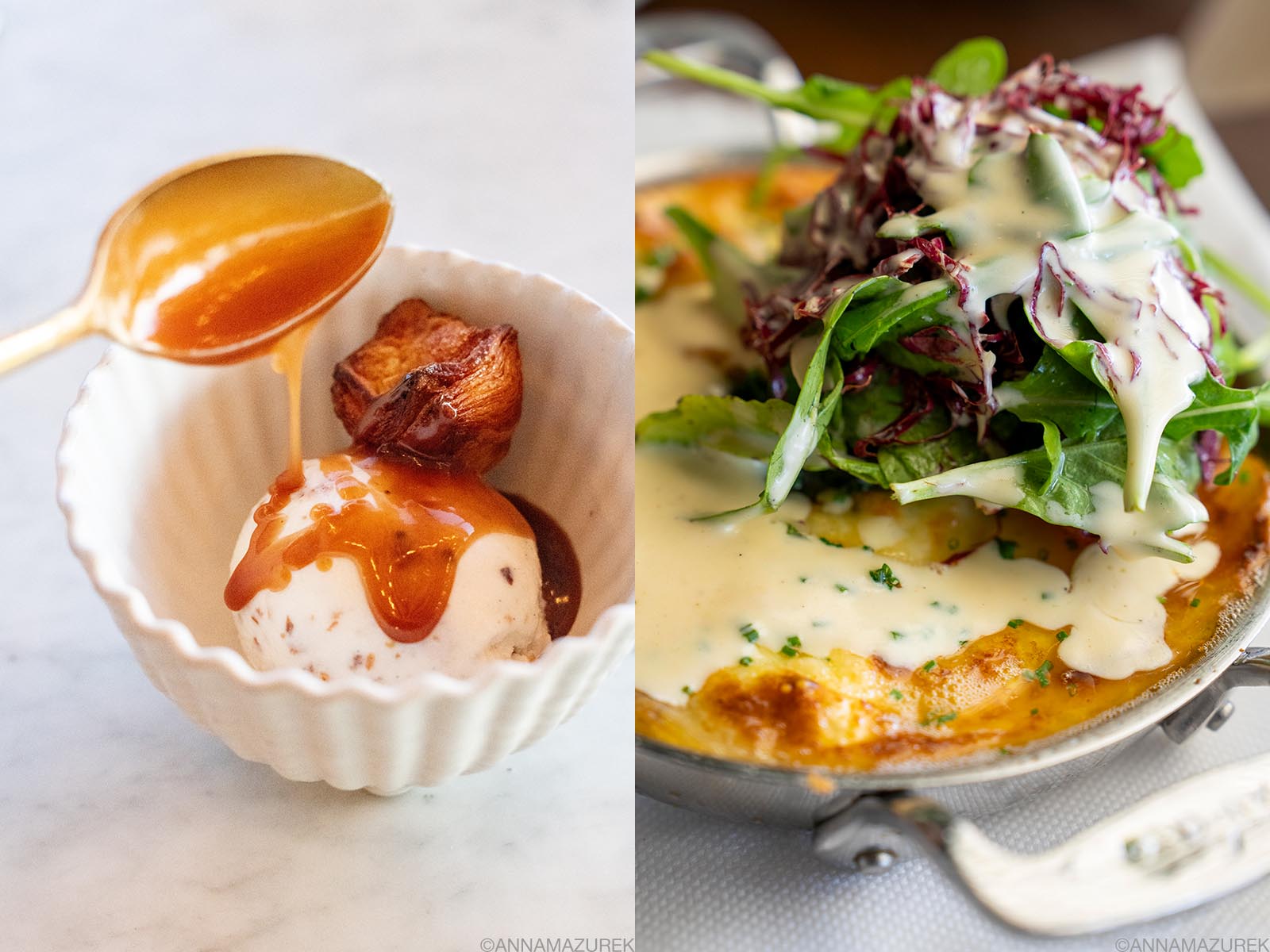 For dinner or weekend brunch, stop by Lutie’s to check out the interior designed by Ken Fulk.
From traditional Texas barbecue to wild boar pepper pots and red berry concha (a sweet bread), the Austin food scene offers a diversity of flavors. It’s hard to choose between the longstanding famous icons—Franklin’s Barbecue for brisket and Kerby Lane for pancakes—and newcomers—Taqueria De Diez’s volcan tacos.
Planning is key when it comes to Austin’s food scene: Make reservations in advance. For places that don’t take reservations, arrive early with sunscreen—waiting in line for food is a Texas pastime. Expect queues at all barbecue joints (an hour minimum on weekends), weekend brunch and famous spots. The best barbecue spots open at lunch, so arrive early for the best selection and visit on a weekday for shorter wait times. Online orders are also a possibility to save time.
Now, you know the rules—it’s time to eat. Keep scrolling for the best restaurants in Austin, Texas. To help plan your trip, check out my guides on the best things to do in Austin and the best Austin hotels organized by neighborhood.
The Best Barbecue in Austin, Texas
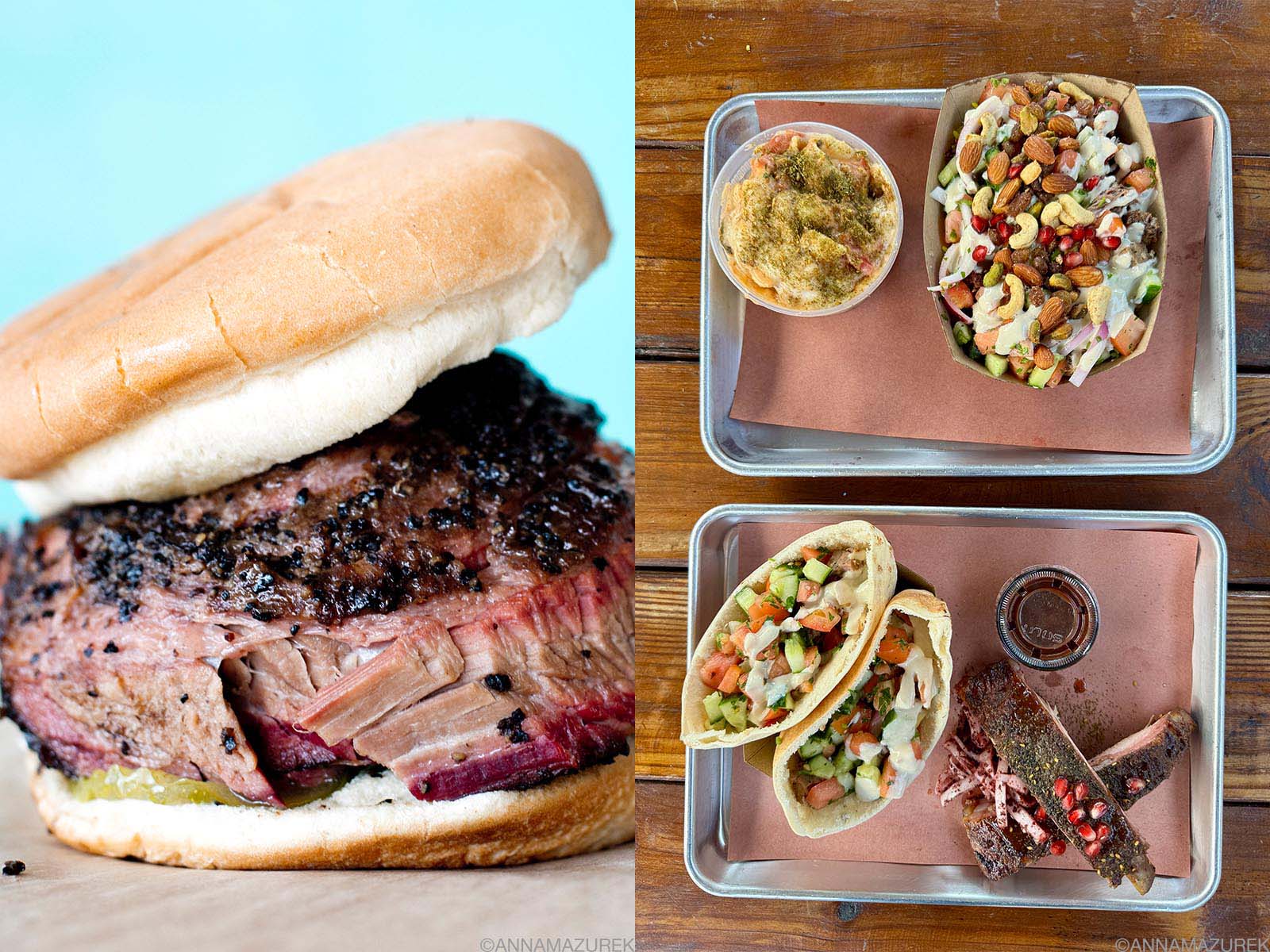 Left: A brisket sandwich from Franklin’s Barbecue. Right: The pomegranate-glazed pork ribs at the Egyptian-inspired KG Barbecue.
There is always a line for barbecue, but most places have free beer while you wait. Order online to skip the queues.
-
If Franklin Barbecue is your destination, wake up early and join the roughly 4-hour-long queue before 9 a.m. It’s just like tailgating for a football game, minus the traffic, so bring a chair and some local brews. Order online to skip the queue.
-
For shorter lines, try Micklethwait Craft Meats for sausage, turkey (my favorite) and jalapeno cheese grits. This is one of my favorite go-to spots because I’m a sucker for good sides.
-
La Barbecue’s Eastside location is great for brisket, pulled pork and shells & cheese.
-
LeRoy and Lewis Barbecue, a 2024-Michelin star winner, serves up tasty brisket and beef ribs in their brick-and-mortar location. The brisket burger and cheddar cheesecake are also phenomenal.
-
Interstellar BBQ in North Austin has made the Texas Monthly’s top five list. Aside from the brisket, the turkey, jalapeños slaw and banana pudding are delicious.
-
KG Barbecue fuses Egyptian and Middle Eastern flavors with traditional barbecue—the pomegranate-glazed pork ribs and brisket shawarma pitas.
The Best Brunch in Austin, Texas
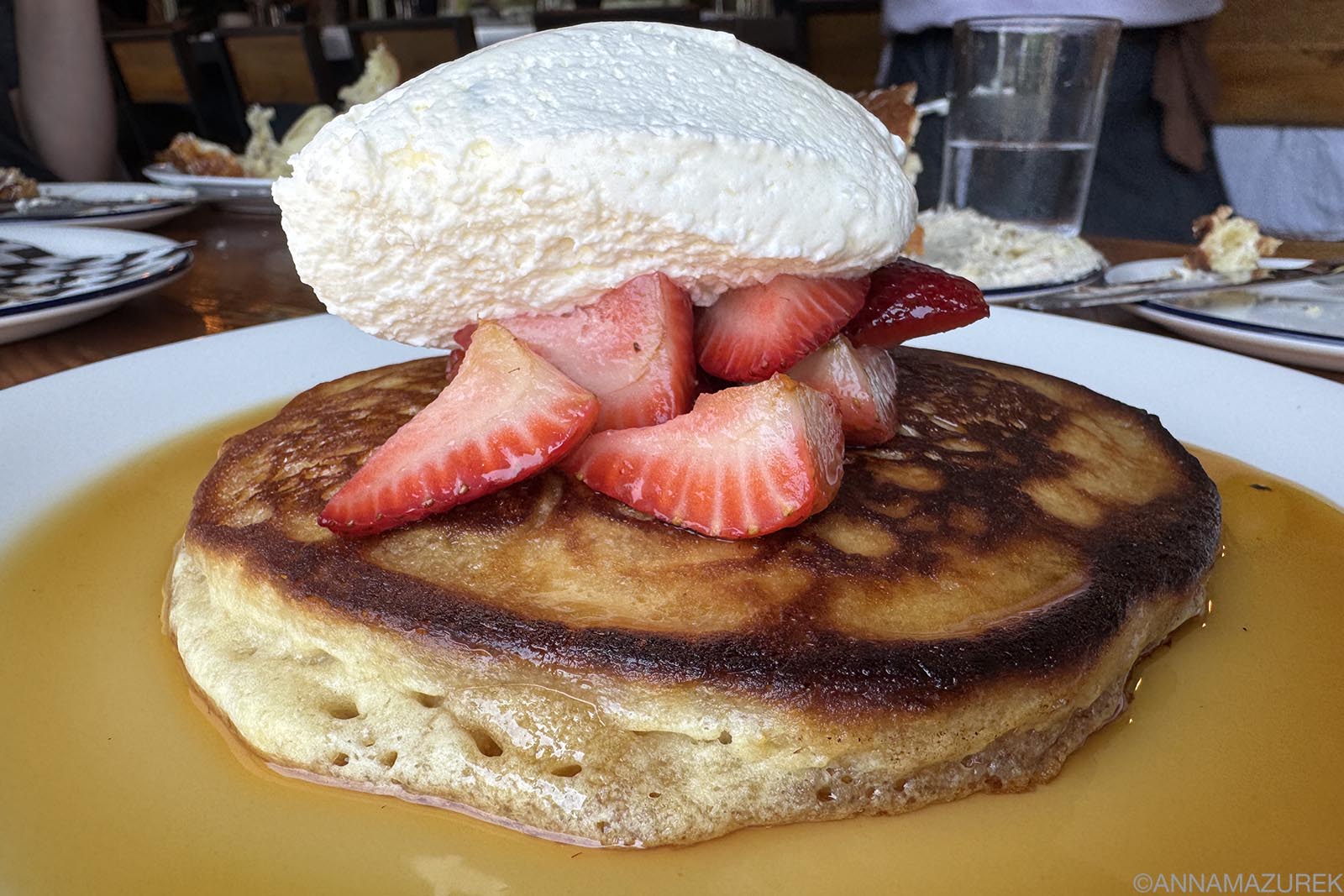 Chef Sarah Heard cooks up the perfect pancake at Foreign & Domestic.
- Lutie’s is one of my favorite dinner spots that serves a scrumptious brunch ranging from Spanish frittatas to brioche French toast. Grab a pastry basket with one of pastry chef Susana Querejazu’s famous Kouign Amanns. Saturday and Sunday. Reservations recommended.
- Foreign & Domestic’s chef Sarah Heard cooks up the best pancakes in town with the perfect amount of crisp on the outside. (She perfected the cooking technique thanks to her picky daughter.) Sunday only. Reservations recommended.
- Banger’s Sausage House and Beer Garden is legendary thanks to the Manmosa, a behemoth-sized mimosa consisting of a bottle of champagne with a splash of orange juice. The menu features house-made sausage, meat-heavy egg dishes and gigantic flaky made-from-scratch biscuits. The restaurant has plenty of seating thanks to an expansion a few years ago but doesn’t take reservations, so expect a line. Sunday only.
- Wu Chow serves dim sum on Sundays only. Menu highlights include pork pot stickers, char siu bao (steamed pork buns), scallion pancakes, pineapple bao and a Thai-chili infused Bloody Mary. Reservations recommended.
- Jacoby’s is my go-to Eastside brunch spot that takes brunch reservations! The grits and strawberry cake are delicious. Saturday and Sunday. Reservations recommended.
- Café No Se is another favorite breakfast eatery located in the South Congress Hotel. Start off with one of their signature pastries—a delectable croissant served with homemade raspberry jam. (Their pastry chef, Amanda Rockman, is a James Beard Award Semifinalist.) I also recommend the ricotta hotcakes. Breakfast is served daily.
The Best Restaurants in Austin
These restaurants are organized by type from casual to upscale.
 Canje’s modern Caribbean-inspired dishes—pork shoulder and grilled cabbage—should be at the top of your list.
Upscale Restaurants in Austin
- Canje should be your first stop in Austin. The new-age Caribbean restaurant is named after the national bird of Guyana and serves up one of my favorite dishes in town: wild boar pepperpot, a slow-cooked stew. The Guyanese-style roti pairs well with the Wagyu beef West Indian curry.
- Lutie’s is a must for dinner. The garden restaurant’s playful interior was designed by Ken Fulk, which really sets the mood for a fun evening. The menu includes a variety of small, highly seasonal dishes meant to be shared. Highlights include the estate bread with layered butter, the green dish, Texas beef and the kouign-amann dessert, a French pastry that’s broken into pieces and folded into vanilla ice cream. It is located on the Commodore Perry Estate, a 1928 mansion turned luxury hotel. Reservations recommend.
 Lutie’s layered butter is both photogenic and delicious.
- Mattie’s is a truly hidden gem located in a secluded 19th-century home just a few blocks from the buzzing South Congress neighborhood. The resident peacocks provide ample entertainment while you dine on fried chicken and biscuits.
- Eberly is a swanky multi-room restaurant with two patios and a separate bar with a stunning centerpiece – a mahogany wooden bar that was moved from New York City’s Cedar Tavern to Austin. It’s one of the most beautiful restaurants in Austin. Reservations recommend.
- Fixe, an upscale Southern restaurant, is famous for its made-from-scratch, while-you-wait biscuits. It’s the best $12 you will EVER spend.
- Ember Kitchen specializes in live-fire cooking with Latin flavors. Order the pork chop and carrots. Trust me. Snag a seat at the bar by the kitchen to watch the magic.
Casual Dining in Austin
 Left: Taqueria de Diaz’s volcán tacos are arguably the best in town. Right: Yellow Jacket Social Club beet and goat cheese sandwich.
- Pinthouse Pizza is an award-winning brewery that serves up Sicilian-style pizzas. They have three locations and a gigantic South Austin brewery. Pinthouse’s Electric Jellyfish brew helped ignite the hazy IPA trend in Austin. It’s my favorite pizza in town (Via 313 is a close second!) and one of my first stops when I get back from a long trip.
- Tumble 22 is the best spot for hot chicken! For sides, try the mac and cheese and slaw. Formerly a food truck, there are now three brick-and-mortar locations.
- Easy Tiger has BEER CHEESE. The bakery bar combo has a full menu of pastries, sandwiches and giant pretzels that go well with the beer cheese. Both locations have great patios, but I prefer the South Lamar one.
- Kemuri Tatsu-ya is a funky izakaya located in an old barbecue restaurant. The Texas-influenced menu includes brisket ramen, Mexican street corn, sticky rice beef tongue tamales and roasted banana pudding.
- Yellow Ranger serves up American Chinese food with a flair in a dive bar (Golden Horn) off Airport Blvd. Menu highlights include black garlic queso dip with house wonton chips, semi-smashed burgers served on Taiwanese milk buns and wok green beans.
- South Austin food truck Artipasta has a variety of homemade pastas from gnocchi to Fusilli and pizzas. The panna cotta is also delicious!
The Best Tacos in Austin, Texas
 There’s no shortage of good taco joints in Austin.
Choosing the best tacos in Austin is a tough call because of all the strong contenders. While the Taco Deli and Torchy’s Tacos chains are all over the city, there are better options. (Taco Deli’s white queso is great!)
Nixta Taqueria is arguably the best in town—they make their own masa and tortillas—and serve up some unconventional dishes like duck carnitas tacos. For traditional tacos, I love Veracruz All Natural, started by two sisters from Mexico. There are seven locations around town dishing out excellent migas tacos.
The best newcomer in town is Taqueria de Diaz, famous for the volcán tacos served with cheese and meat on crunchy corn tortillas. It’s hidden in an alley off Trinity Street downtown. The taquitos at Arriba Abajo at the Thompson Austin are another favorite.
The Best Bakeries & Desserts in Austin
 Left: Comadre Panaderia’s concha. Right: Jacoby’s strawberry cake.
For sweets and desserts, there are endless options from desserts at all the restaurants listed above and specialty pastry and ice cream shops below.
- Comadre Panaderia is a bakery known for its concha, a sweetbread topped with a flavored cookie shell. I love the masa sugar cookies! Arrive early for the best selection. Open Thursday to Sunday.
- Amy’s Ice Cream is a classic, while Gati Ice Cream serves up coconut milk flavors!
- Everyone in Austin can spot a Tiff’s Treat’s box from a block away. The cookie shop is known for delivering boxes of fresh, warm cookies. You can buy cookies individually, and I recommend the Tiff Wich – two warm cookies with a scoop of ice cream between them. Double yum!
- Hayley Cakes makes the most beautiful and hilariously decorated giant sugar cookies with icing!
- Sugar Mama’s Bakeshop has the best cupcakes I’ve ever eaten in my life. I’m drooling on my keyboard thinking about them.
Where to Drink in Austin
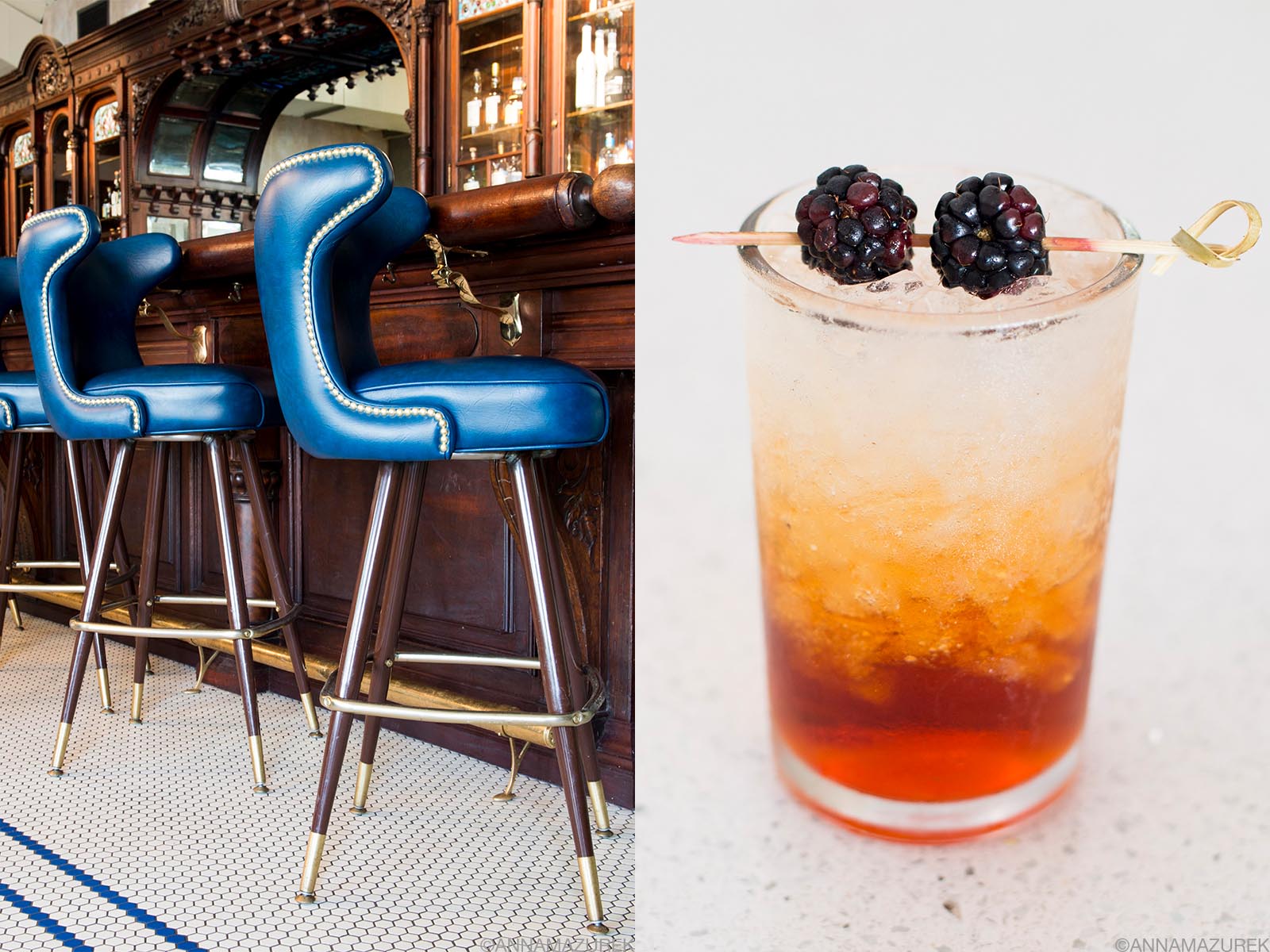 Left: Eberly’s wooden mahogany bar. Right: Drinks at Kitty Cohen’s.
The Best Bars in Austin
Years of experience went into crafting this list. I’m a dive bar fan, so that’s most of the list!
- Tiki Tatsu-Ya is the coolest bar in Austin. Inspired by a fictional backstory, this tropical paradise has two levels and elaborate decor with a menu of tasty drinks and bites. Reservations required.
- Eastside Bars: Yellow Jacket Social Club is one of my favorite dive bars in Austin, with a spacious patio filled with picnic tables. This East Austin dive has a wide variety of good beer and excellent food, including the beet and goat cheese sandwich and Frito pie. Around the corner is The White Horse, an Eastside honky tonk with live music nightly and free dance lessons. They have a nice patio with a food truck. The nearby The Liberty Bar and The Grackle have large patios. Whisler’s is a hip spot a block away known for cocktails and a mezcal bar. Mama Dearest is an Arkansas-themed dive bar with hilarious décor and quirky drinks like the Memphis Michelada made with barbecue sauce.
- Kitty Cohen’s has the best patio in town with a pool for lounging on hot days and a tropical-themed bar. Be sure to check out the amazing flamingo wallpaper in the ladies’ bathroom!
- Batch Craft Beer & Kolaches is a great spot near Mueller with the best (and cheapest!) happy hour in town. They serve up sweet and savory kolaches along with a massive selection of craft beers. (There’s a wall of beer fridges to choose from!) Happy Hour is all day Monday and Tuesday and nightly the rest of the weekdays.
- Ask around for the passcode to get into the Red Headed StepChild (also referred to as Floppy Disk Repair), a small speakeasy with great drinks and a creepy decor that looks like the set of a horror movie.
- Many of the restaurants I mentioned in the previous food section are also great spots to grab a drink, including Easy Tiger, Eberly’s Cedar Tavern Bar and Banger’s.
The Best Breweries in Austin
 Left: Baked pretzels and beer cheese from Easy Tiger. Right: Brews from Hold Out Brewing.
While several craft breweries have closed in the last few years, there’s still a great scene in Austin. Most also offer nonalcoholic options, including hop water. Here’s a roundup organized by location.
- Downtown (kinda): Hold Out Brewing is my go-to spot. Located in walking distance of downtown, this quirky half-domed building has East Austin vibes with a gigantic courtyard it shares with its sister restaurant, Better Half Coffee & Cocktails. The brewery’s hazy pale ales and IPAs are tasty along with its happy hour burgers. There’s free parking in the lot in front and behind.
- East Austin Breweries: Zilker Brewing on East Sixth Street is a great spot with rotating food trucks and walking distance to downtown. Located in the heart of the Eastside in an old gas station, Lazarus Brewing Company serves up brews, tacos and coffee. Central Machine Works has a huge patio that’s a great hangout spot on the far Eastside. Hi Sign Brewery’s spacious taproom is located slightly farther east.
- North Austin Breweries: HopSquad Brewing is just a few minutes’ walk from Q2 Stadium. Austin Beerworks is another Northside favorite.
- South Austin Breweries: While these aren’t all in walking distance of each other, South Austin is another great area for breweries. A few highlights are Nomadic Beerworks, ABGB, St. Elmo Brewing Company, Meanwhile Brewing, Vacancy Brewing and Pinthouse Brewing. (Vacancy and St. Elmo are within walking distance of each other.)
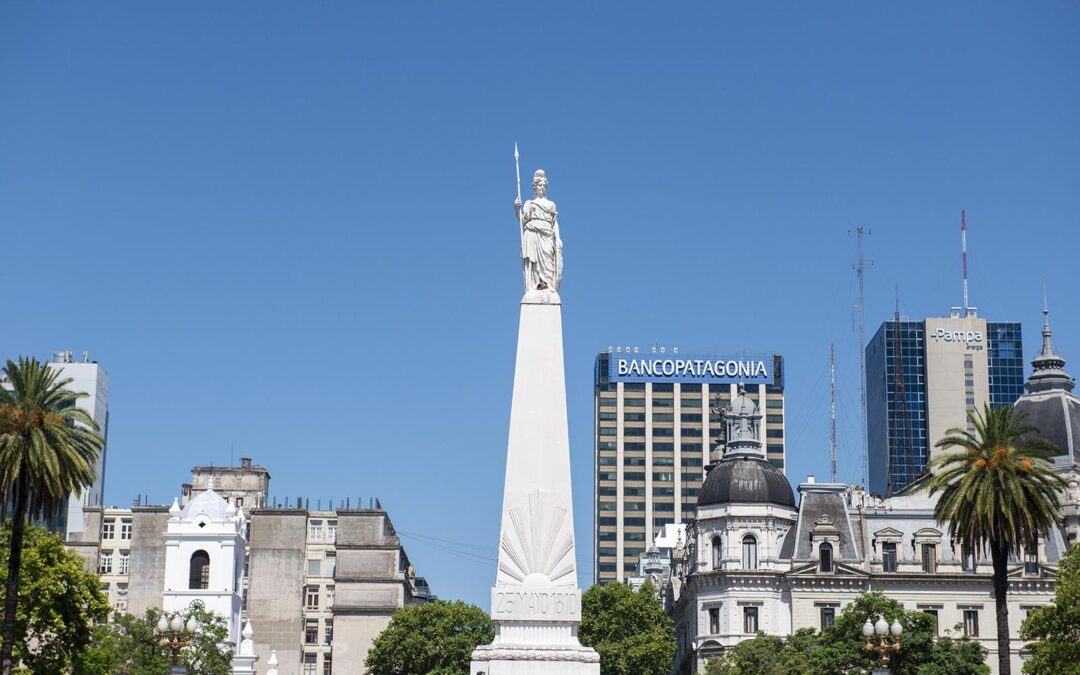
Eight Places Not to Miss in Buenos Aires
The white obelisk, Pirámide de Mayo, located in Plaza De Mayo, Buenos Aires’ oldest public square, was built to mark the first anniversary from Spain.Is it possible to fall in love with a city? Entirely possible. If you don’t believe me, I dare you to visit sexy, savory Buenos Aires. I’ve spent many American winters living in the city. The Argentinean capital is filled with European architecture and a seductiveness that will tempt you to stay forever. Consider yourself warned. If you’re planning a visit, check out my detailed Buenos Aires City Guide.
Here are the eight of the best things to do in Buenos Aires:
This post was originally published in 2016 but has been updated with details from recent trips. Affiliate links are used in this post. If you make a purchase, I earn a small commission at no cost to you, which goes toward the cost of maintaining this blog.
1. La Recoleta Cemetery
One of the most notable graves in La Recoleta Cemetery belongs to Eva Perón. The 14 acre grounds are hauntingly beautiful – elaborate aboveground marble mausoleums and statues cover a sprawling grid of four city blocks lined with large walkways. The cemetery was once the orchard for the adjacent 1732 Our Lady of Pilar church. Be sure to catch one of the free English tours at 11 a.m. on Tuesdays and Thursdays.
2. Teatro Colón
Teatro Colon is a stunning opera house in the heart of Buenos Aires. The performance season starts in March annually.
The seven-story Teatro Colón, pictured above, is not only one of the finest opera houses in the world but one of the most beautiful buildings in the city. Built in 1908, the theater covers an entire city block and features ballet, opera and concert performances. Many of the lavish building materials – Venetian mosaics, French stained glass and three kinds of Italian marble—were all imported from Europe. The main performance season started on March 1st. If you are unable to catch a performance, take one of the hourly guided tours to get a behind the scenes look at the stunning theater and rehearsal rooms.
3. San Telmo Street Fair
Stalls of antique seltzer bottles are the heart of the San Telmo Market.
Plan to be in Buenos Aires on a Sunday just to visit the street market in San Telmo. The heart of the market at Plaza Dorrego is focused more on antiques including a row of vendors selling vintage glass seltzer bottles. The stalls stretch out into the adjacent streets and eventually, it turns into more of a flea market with vendors selling leather belts, fresh squeezed juice and merchandise centered around Mafalda, a famous Argentinean cartoon character.
4. Attend a Boca Juniors or River Plate Football Game
 Attending a Boca Juniors or River Plate football game is one of my thrilling experiences in Buenos Aires.
One of the coolest travel experiences of my life was attending a Boca Juniors game with local friends. The team is the countries’ most famous, and nothing can beat the excitement of being in that stadium listening to the passionate chants. River Plate is the team’s rival on the other side of town. (If you buy a jersey, be careful where you wear it around town—the rivalries run deep.) Tickets for games must be booked through travel agents or GetYourGuide or Viator. If you can’t attend a game, a stadium and museum tour is your best option for both River Plate and La Boca. Read reviews before booking.
5. Eat a Steak
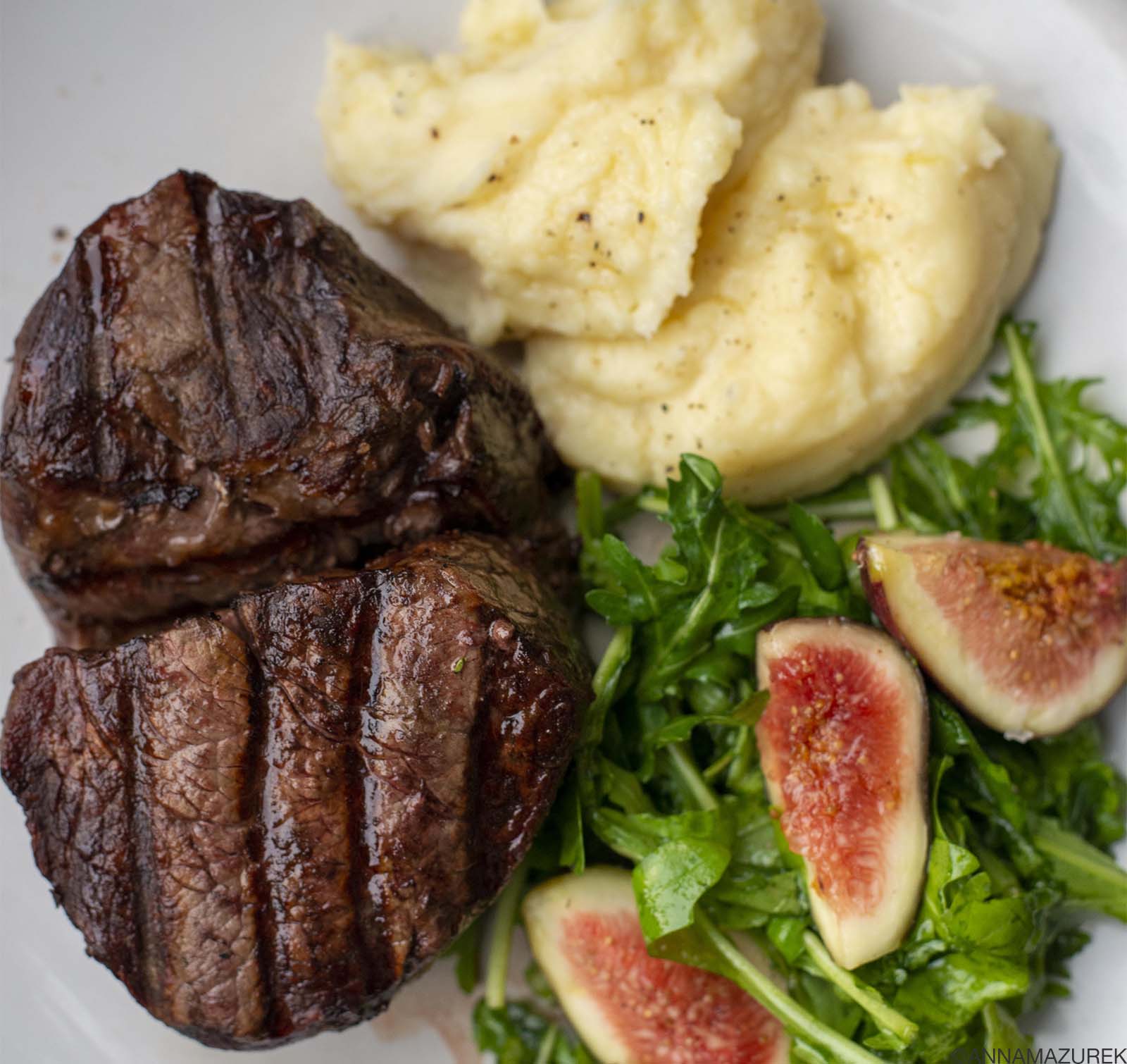 Don Julio Parilla was named the best restaurant in Latin America in 2025.
Argentina is known for its beef. My favorites include Don Julio Parilla in Palermo and for a fun more budget-friendly experience, try happy hour at La Cabrera. If you don’t have a reservation at the swanky Palermo parrilla (steakhouse), show up at 7 p.m. for happy hour. You will be seated promptly and everything (steak, salad and even wine) is 50% off. The only catch is that you must be out before 8 p.m. when they start seating parties with reservations. Juicy steaks are served with an array of small sides ranging from pickles to purees. Salads are gigantic, service is fast and you can take your bottle of wine to-go. For more food suggestions, check out my Buenos Aires Guide.
6. El Ateneo Grand Splendid Bookstore
 The most beautiful bookstore in the world: El Ateneo
The story behind the bookstore is just as interesting as the décor. The building opened in 1919 as a theater called the Teatro Gran Splendid before converting into a cinema, which showed the first sound films in the country. The theater-turned-cinema was then converted into a bookstore in the early 2000s. Much of the interior including the ornate carvings remain in tact. Book shelves replaced the rows of seats, and the theater boxes were left for customers to curl up with a book. Dark red curtains frame the stage, which is now home to a quaint café. Their English book section is very limited.
7. National Museum of Decorative Arts
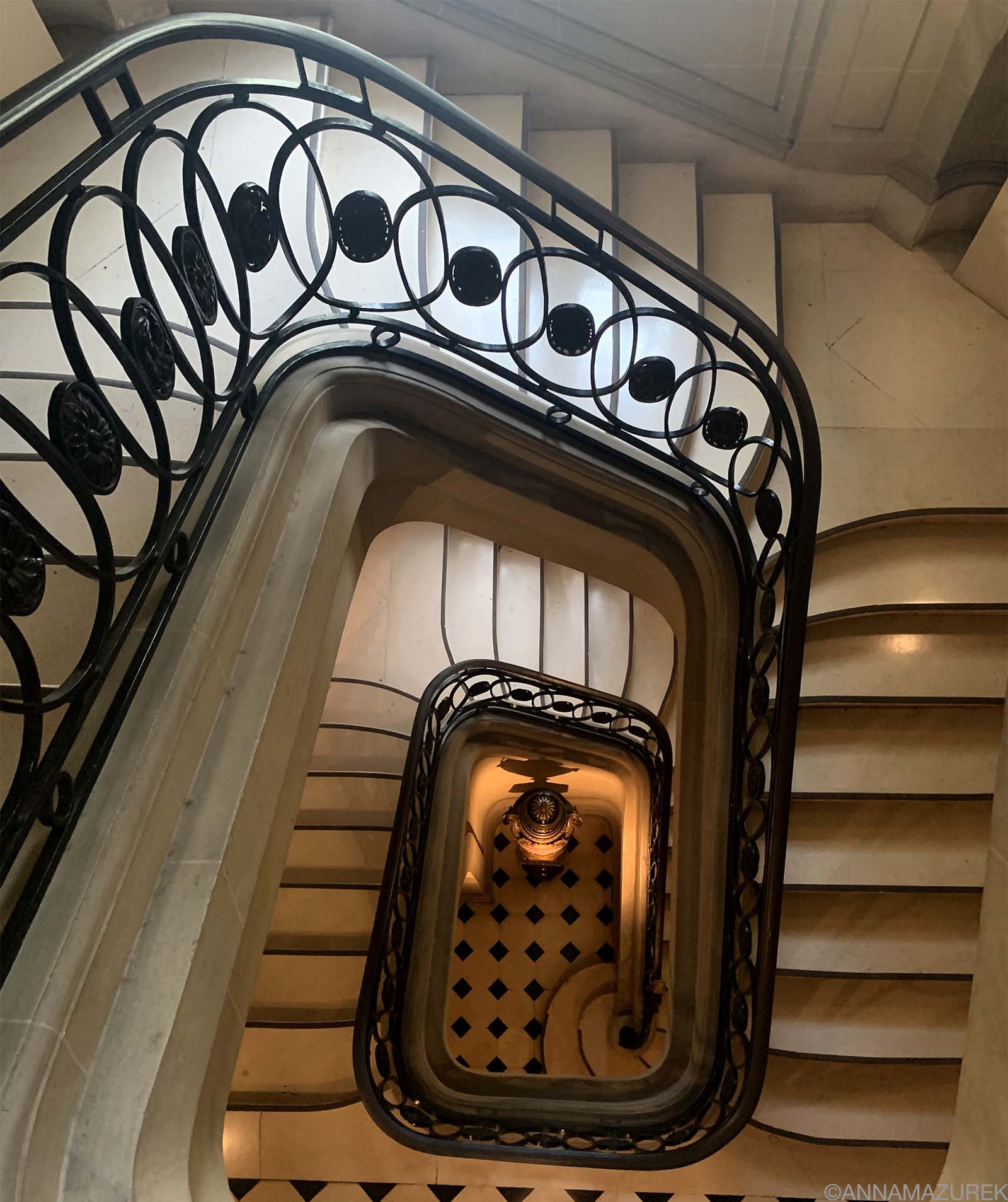 The photogenic stairway at the National Museum of Decorative Arts.
The 1917 beaux-art mansion was originally the home of Chilean aristocrat Matías Errázuriz and his wife, Josefina de Alvear. When Alvear died in 1935, the family donated the house and its extensive collection of European and Asian art to the Argentine government under the condition it be used as a museum. The elaborate décor features a ballroom with hand-carved ceilings along with artwork by Manet and Rodin. It is the only French mansion built at the beginning of the 20th century open to the public in Buenos Aires. Admission is free on Tuesdays. Stop for lunch at the adjacent Croque Madame Café for a delicious array of cakes and quiches before visiting the museum.
8. Take a Street Art Walking Tour
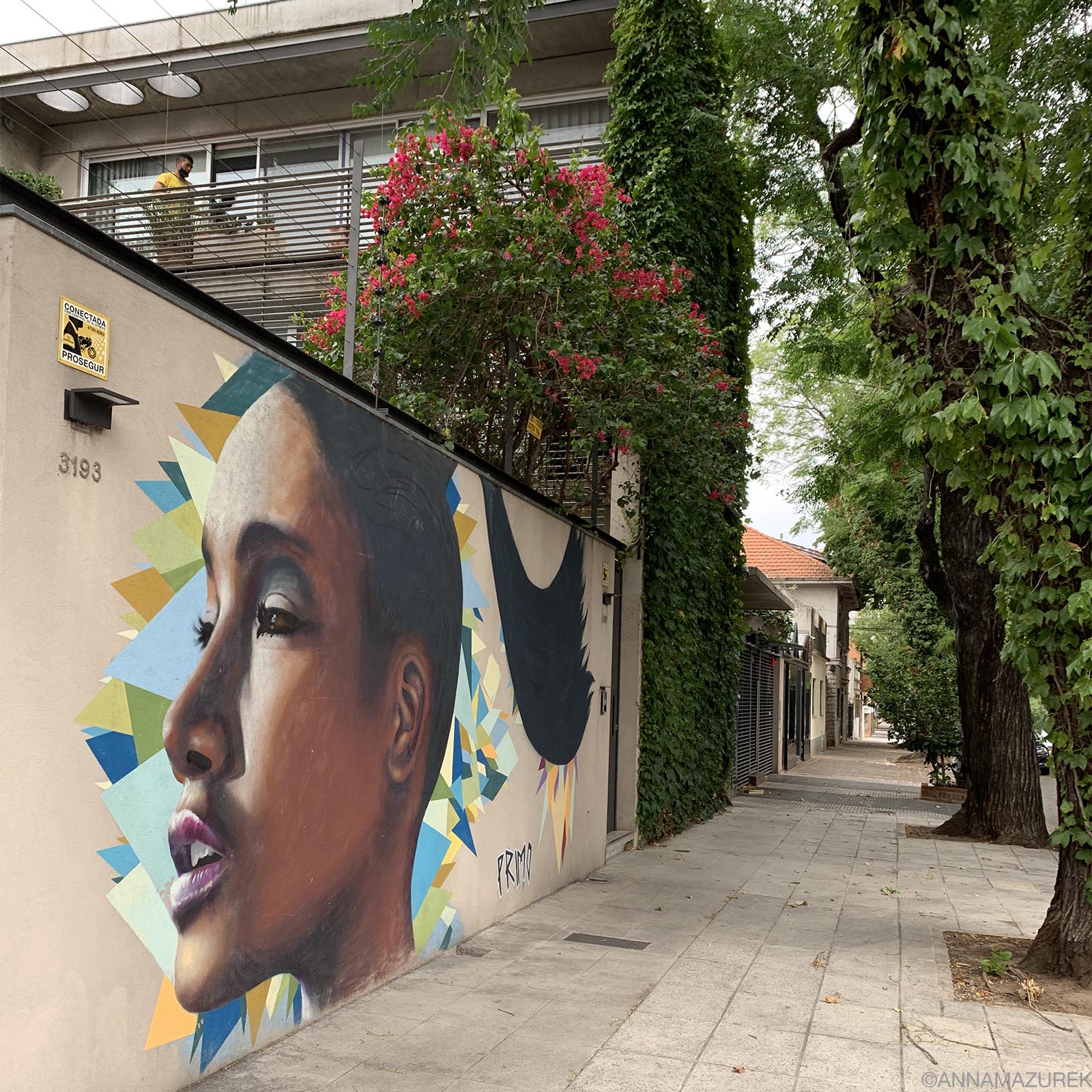 The neighborhoods of Colegiales, Chacarita and Palermo Hollywood are known for their street art.
One of the best ways to explore Buenos Aires is with a street art walking tour. They are offered all over the city in a variety of neighborhoods from La Boca to Palermo Hollywood. I personally did a great tour in up-and-coming Colegiales neighborhood with stops in Palermo Hollywood and Chacarita. Graffitimundo offers tours, but you must email to book in advance. For shorter notice, book a tour from GetYourGuide or Viator.
How to Avoid Travel Bank Fees
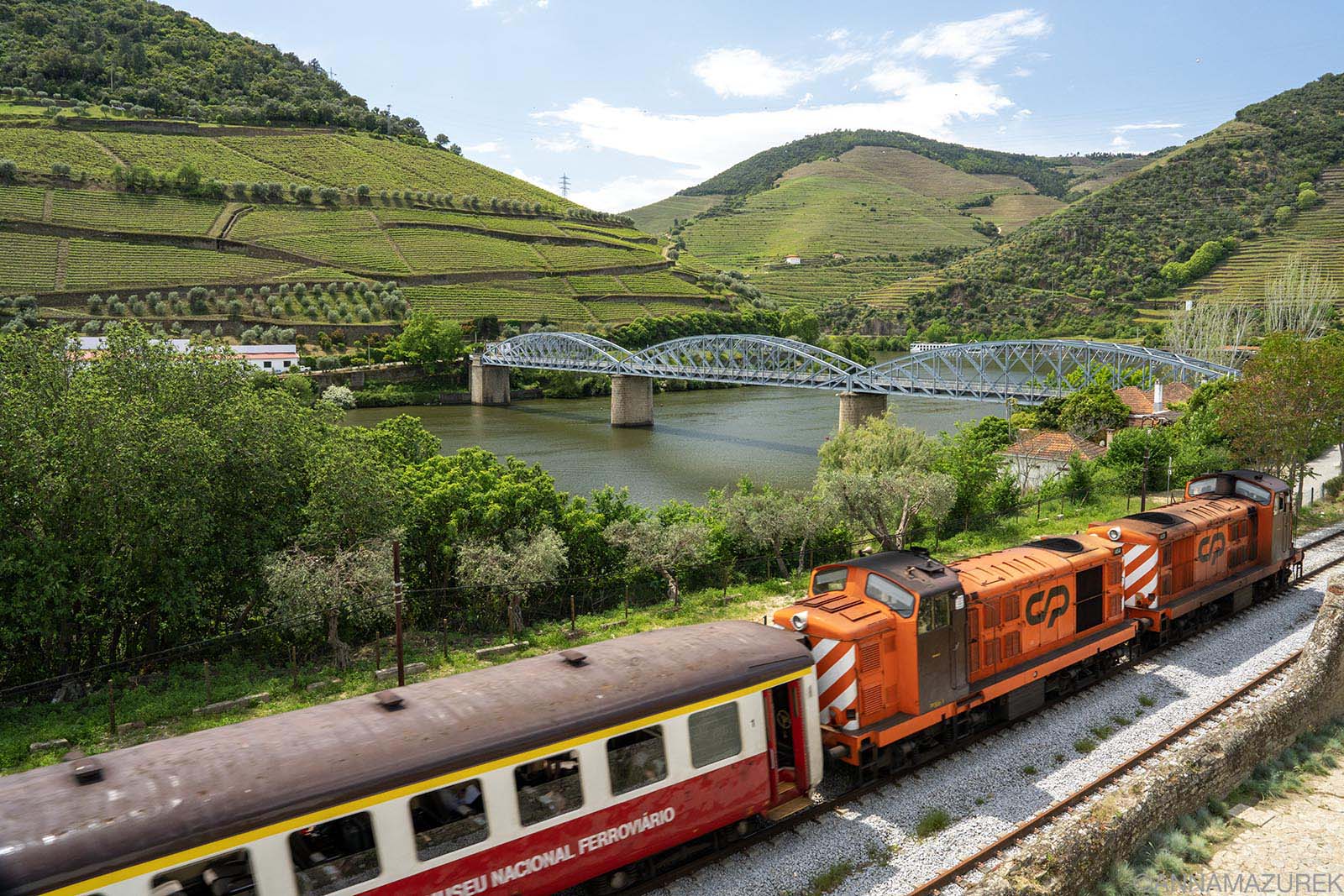 While the train along the famed wine region on the banks of the Douro River in Pinhão, Portugal, is a must-do attraction, be sure to avoid the hefty Portuguese ATM fees.
Thirteen percent—that’s how much an ATM in Lamego, Portugal was trying to charge me to convert my cash withdrawal from EUR to USD. While I declined the option as I always do, it was very clear that the easiest way to save money while traveling is simply having the right kind of bank accounts and avoiding hidden fees. Whether you’re traveling to Vietnam or Argentina, here is how to avoid ATM fees, foreign transaction fees and dynamic currency conversion.
While I use affiliate links in some blog posts, there are no affiliate links in this post. I don’t have any affiliation with any of the brands or banks mentioned in this post. I’m simply sharing my favorite cards and resources.
Common Travel Banking Fees
Here are the three most common fees that add up when using a debit or credit card abroad.
1. Foreign Transaction Fees
Most banks and credit cards charge a small fee to convert the currency, ranging from one to three percent.
2. ATM fees
Banks will also charge you a fee for using a non-partner ATM domestically and abroad. Plus, the ATM you use will most likely charge you a fee as well. That can be as much as $15 per ATM withdrawal, so be careful!
3. Dynamic Currency Conversion
It’s common practice for many restaurants and shops to provide the option of paying in the local currency or your home currency. Always choose the local currency to avoid outrageous fees. There’s usually a 3-5% fee. ATMs are starting to offer this service, and I’ve seen fees as high as 13% as mentioned above! While this is usually clearly stated on the screen, make sure to decline.
How to Avoid ATM & Foreign Transaction Fees When Traveling
 One of the easiest ways to save money on a trip abroad is to have a fee-free bank account and credit cards. Photo credit: Pexels.com
1. Find a free, no-fee bank account
An American friend living in Singapore once told me about Charles Schwab Investor Checking Account, and it’s the greatest thing since the invention of the burrito. No minimum balance. No ATM fees. No foreign transaction fees. Unlimited ATM fee rebates worldwide. FDIC insured. They also refund any ATM fee charged to you by another bank at the end of every month. (Dynamic conversion fees are not refunded, so never select this option.)
The ATM fee rebates save me roughly $80/month when I’m abroad! They also have 24-hour U.S.-based customer service. You can call toll-free in the U.S. and via Google Voice. (You do have to open a free brokerage account to get this checking account, but you don’t have to use it.) You must put money in the checking account for your debit card to be sent to you.
This is a free account, so it can be used solely as a travel account or as your main account. I opened two accounts with them in case one card was lost or stolen. That way, I can transfer money from one account to the other without any issues. It’s also my main checking account. (I keep the debit cards in different places when I travel for safety.)
For more information on free, no-fee checking accounts, check out NerdWallet.com. I have no affiliation with them, but I find the site to be a good resource. They offer charts and lists of the best financial accounts available ranging from credit cards to savings accounts.
2. Use Partner Banks
If you want to keep your current bank, research their international partners. Both the ATM fees and/or the foreign transaction fees could be waived or lowered. Outside of Europe and Australia/New Zealand, there aren’t many options if you use U.S.-based banks.
3. Look for low-fee or no-fee ATMs.
Unless you’re traveling in remote corners of the world like Mongolia, most ATMs nowadays will charge you fees to withdraw money. Avoid well-known worldwide bank ATMs like Citi or HSBC because they always charge a high fee. Use local banks instead. They might still charge a fee, but it will be less than an international bank chain.
4. Consider Credit Unions
Local credit union accounts might also help you avoid fees. ATM fees might still be an issue but are usually lower at credit unions ($2) than larger bank chains (starting at $4-5). Foreign transaction fees could be lower as well. Check with them in advance before any travel to confirm rates.
5. No-Fee Credit Cards
There is no foreign transaction fee for any Capital One credit card. Many airline cards and other large banks, such as Chase, Bank of America, and Citi, have followed suit. Keep in mind that some rewards cards, like the Chase Sapphire Reserve, have annual fees but no foreign transaction fees. Bottom line: Only use cards with no foreign transaction fees. It’s always a good idea to have a rewards credit card with no annual fee that waives foreign transaction fees.
The Best Travel Credit Cards
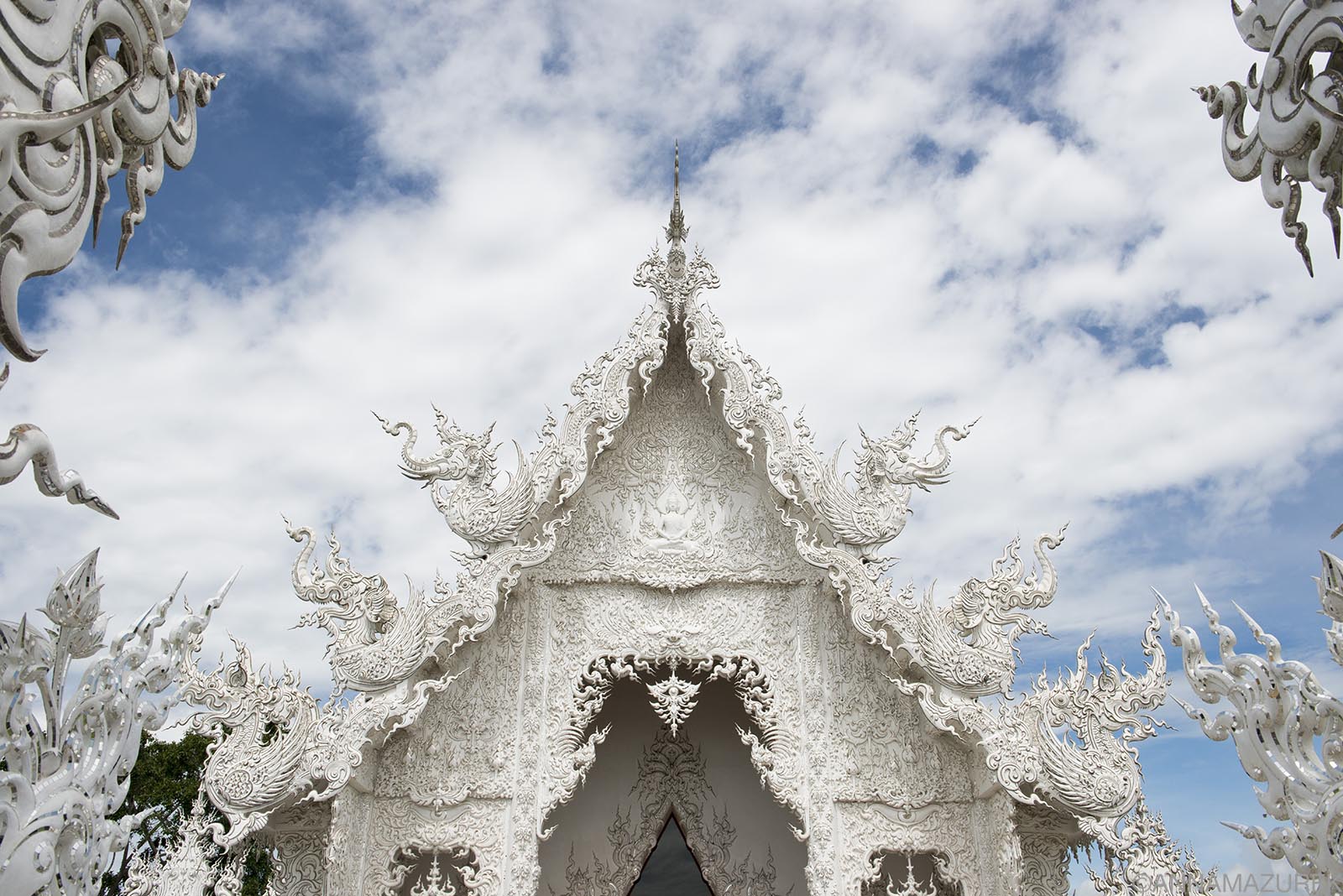 White Temple, Chiang Rai, Thailand. The ATM fees in Thailand are pretty high so make sure you have the right checking account before your trip!
Ideally, you shouldn’t pay more than one credit card annual fee a year even if you are a frequent traveler because it’s easier to maximize your points if you only use one card for all your spending. This is a personal decision that should be based on your income and spending levels. I recommend at least having another card with no annual fee to use as a backup in case one doesn’t work while traveling, which is very common issue abroad.
Experience has taught me to store my backup cards separate from my go-to cards in case of theft. I currently travel with three credit cards—my Chase Sapphire Reserve, American Airlines Mastercard and my Capital One Quicksilver (backup card with no fees).
The Best Travel Rewards Credit Cards
If you are going to have a credit card, you should be earning rewards of some kind. For years, the best travel card on the market was the Chase Sapphire Reserve but a slew of new changes, including a heftier annual fee ($795) and increased benefits with a complex redemption system. While the Chase Sapphire lounges are amazing, I’ve found the quality of the Priority Pass lounges across the world to be lackluster (think croissants in plastic bags) unless they are affiliated with an airline. To me, Priority Pass isn’t as glamorous or helpful as it used to be.
Due to the changes, the lower-tier Chase Sapphire Preferred with a $95 fee and one to five points per dollar earning ratio has moved up to be one of NerdWallet’s top picks, along with the Capital One Venture Rewards, also a $95 annual fee. For years, the highest-rated flat-rate travel rewards card with no annual fee is the Bank of America Travel Rewards Card, which offers 1.5 points per dollar spent. Check out NerdWallet.com for more options.
Keep in mind that when you redeem credit card miles for travel, you can still earn frequent flyer miles on those flights. Don’t forget to add your frequent flyer number to the reservation!
The Best Airline Rewards Credit Cards
If you are loyal to a specific airline, then airline cards are worth it. I have the American Airlines card, which gives me free checked bags on all flights and priority boarding. These cards are now starting to offer no foreign transaction fees!
Since I’ve become a bit obsessed with elite airline status, I’ve been using this as my main credit card. (I’ve detailed the steps I used to get elite status on American Airlines in this post.) I’m likely downgrading my Chase Sapphire Reserve next year (before the new fee goes into effect) to the Preferred card or closing it altogether due to the new changes.
Nine Essential Travel Banking Tips
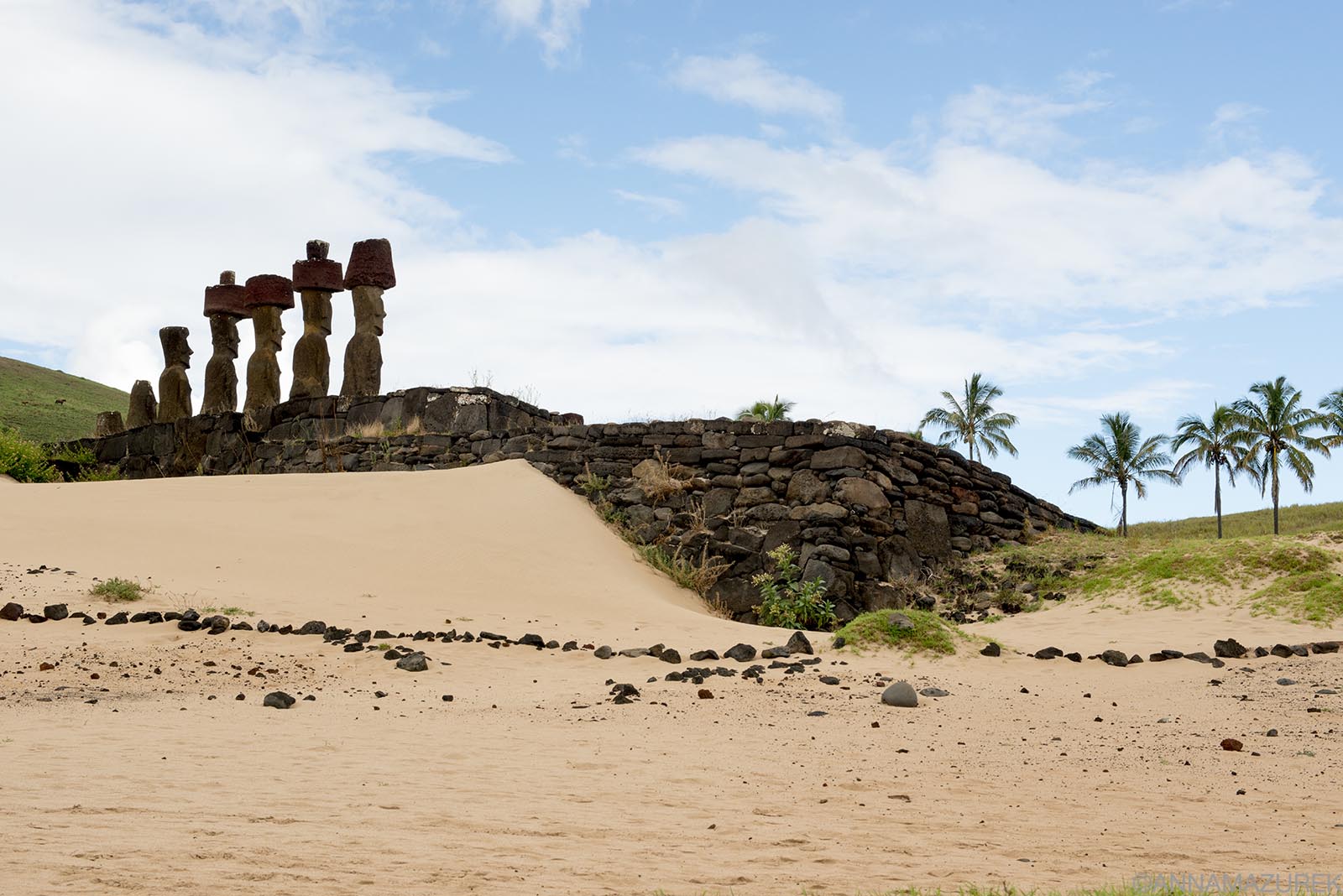 Anakena, Easter Island. I saved $54 by paying for my accommodation on Easter Island in local currency versus paying in U.S. dollars.
1. Plan ahead.
Open any new bank accounts three months before you leave for your trip. This eliminates any hassles with holds on funds that occur on new accounts.
2. Ask about fees.
Some banks charge a monthly maintenance fee if you don’t keep a large daily balance or have a monthly direct deposit. Check with your bank in advance if you will be traveling long-term without any direct deposits. This was always a huge issue for me, and the reason I closed both my Bank of America and Wells Fargo accounts to switch to Charles Schwab. Be sure to also ask about foreign transaction fees and alert your bank to your travel plans so they don’t block your cards. (I find that this isn’t needed as much now.)
3. Take multiple cards.
I always travel with a Visa and Mastercard, which are the most universally accepted cards. Although I’ve found American Express can work better on some airline websites abroad like Qantas. But beware—despite their catchy slogan, American Express is not everywhere you want them to be. They were not in Cambodia. They left me stranded and living in Western Union commercial calling my parents at 5 a.m. to transfer me money. (I ended up closing my American Express card because I rarely used it, and don’t miss it at all!)
4. Keep an eye on exchange rates.
If your home currency looks like it’s dropping, then take out cash before it gets worse. If your home currency spikes, hit up the ATM! When I lived in Australia, there were a few weeks when the Australian dollar dipped really low, so I took a good chunk of money out of my U.S. accounts and deposited it into my Australian account. I recommend the XE app for checking rates.
5. Avoid airport currency exchanges.
Exchange rates are the worst at airports. You are better using an ATM. The only exceptions are places like Argentina, where you can potentially get better exchange rates with cash on the black market. If you have no choice but to exchange at the airport, exchange a small amount then go to a bank inside the city for a better rate.
6. Always take U.S. dollars.
No matter the currency, many places will accept U.S. dollars as payment as well. Ask for prices in both the local currency and U.S. dollars to compare. For example, I saved $9 paying in USD for the Easter Island park entry fee but saved $54 paying for my six-night accommodation on the island in local currency. Larger bills often get the best exchange rates but keep some smaller cash handy as well.
7. Only use bank ATMs.
If the ATM is in a strange place, like a hotel lobby or in a sketchy corner of a restaurant, it probably has higher ATM fees and the worst exchange rates. Go to a proper bank ATM.
8. Avoid Dynamic Currency Conversion.
Many shops and restaurants will give you the option to pay in your home currency (or USD), but the rate is 5 percent higher! (Trust me, I did the math!) Always pay in local currency. I had no choice but to pay in Euro for my rental car in Iceland, which worked out in my favor since I booked far in advance. The rate dropped by the time I arrived, so I saved about $25! Sometimes, the USD rate can save you money, but more often than not, it’s not in your favor. Download the free XE app first to check rates before deciding.
Budget airlines like Ryanair automatically include this in your fare so you must uncheck the box to remove the dynamic conversion to USD. For my Ryanair flights to/from Malta last year, the dynamic conversion rate was 6% higher than what I was charged on my U.S. credit card after removing the conversion.
9. Don’t Get Foreign Currency in Advance.
While your local bank may offer the option to get foreign currency in advance before your trip, keep in mind that you will likely be paying a higher rate than if you do it when you arrive. This might seem easier, but it takes a while to get the money. You’re better off just getting money out of an ATM when you arrive with your Charles Schwab checking account.